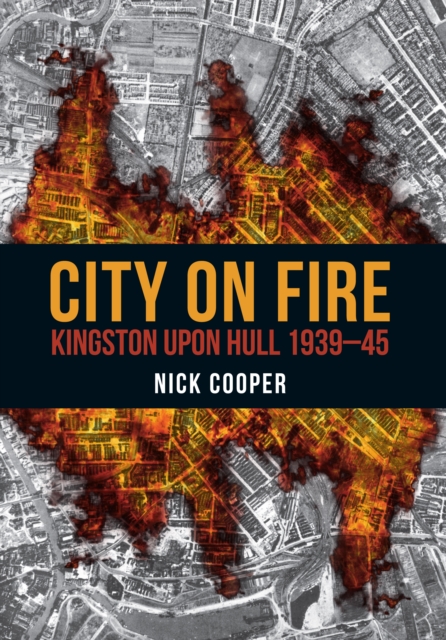
During the Second World War Hull spent more than 1,000 hours under air-raid alerts and was the target of the first daylight raid of the war and the last piloted air raid on Britain.
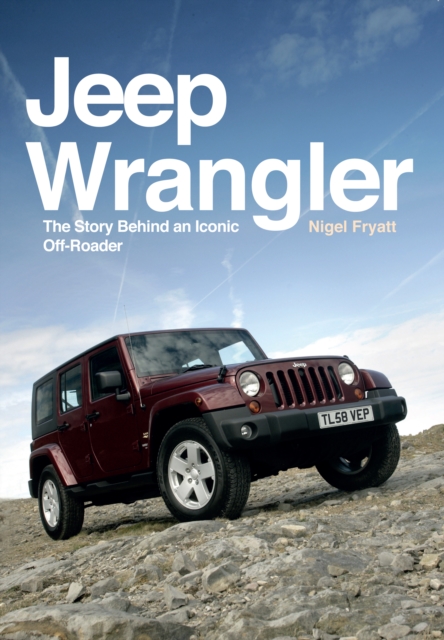
The story of today's Jeep Wrangler has an intriguing and unusual beginning, when the demands of the American army during the Second World War led to the production of a simple, yet multi-purpose, go-anywhere vehicle that could easily (and cheaply) be mass-produced.
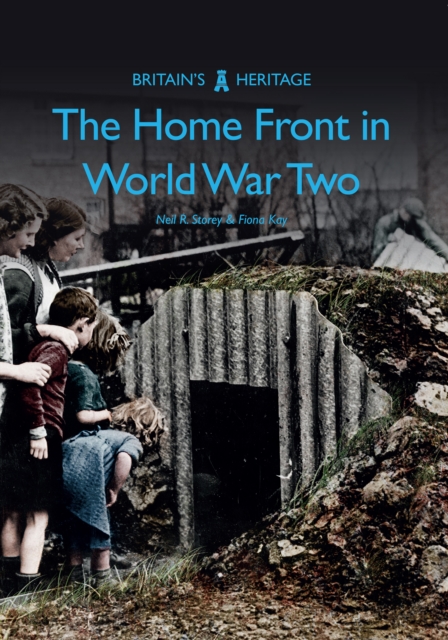
When the Second World War broke out in September 1939, everybody in Britain knew that the civilian population would be affected far more than they had been in the First World War.
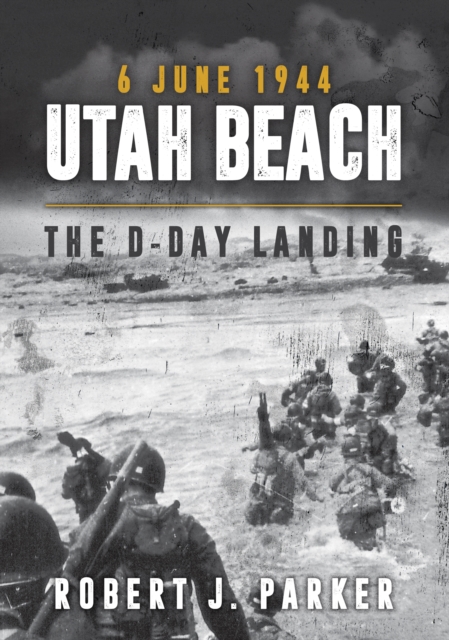
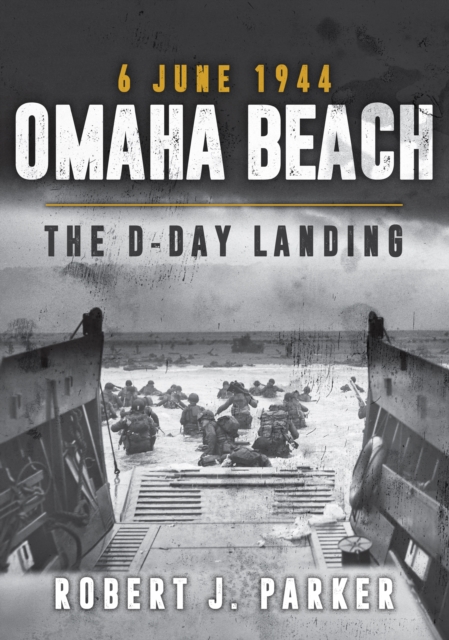
Despite the invasion force landing nearly a mile beyond its intended target location, and while also overcoming its counterpart airborne element being widely dispersed, Utah Beach would prove to be a huge success for the Americans.
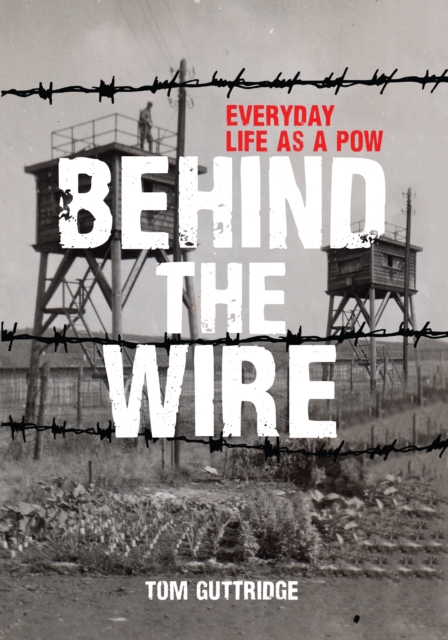
When rifleman Tom Guttridge returned from war in the early summer of 1945, he brought home not only vivid memories of the battlefield and his five years in prisoner-of-war camps, but a unique collection of photographs obtained from his German captors by trading items from Red Cross parcels.
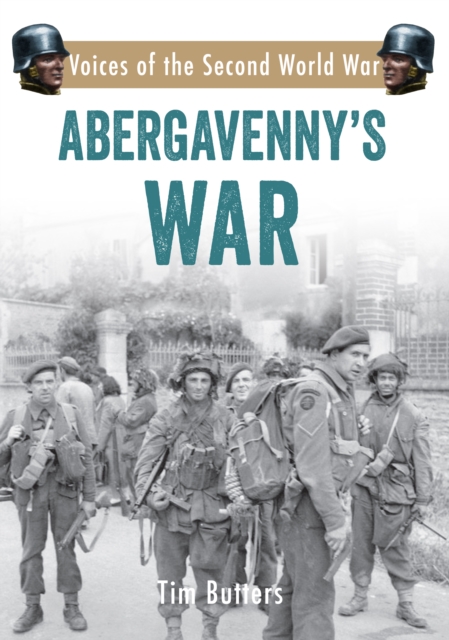
Over the years local journalist and author Tim Butters has interviewed many Abergavenny veterans from the Second World War, ranging from a soldier who helped liberate the notorious Nazi concentration camp Bergen-Belsen, a man who was captured during the Allied retreat from Tobruk and ended up spending the war in the cruel confines of Stalag VIII-B, an officer who was at Dunkirk and later served with Field Marshall Montgomery at El Alamein, a Japanese POW whose hellish experiences scarred him for life, a sailor who fought around the world for the duration of the war as a member of the Royal Navy, a soldier who had a school in France named in his honour, and a paratrooper involved in the D-Day landings whose story later became a small part of the book and movie version of The Longest Day.
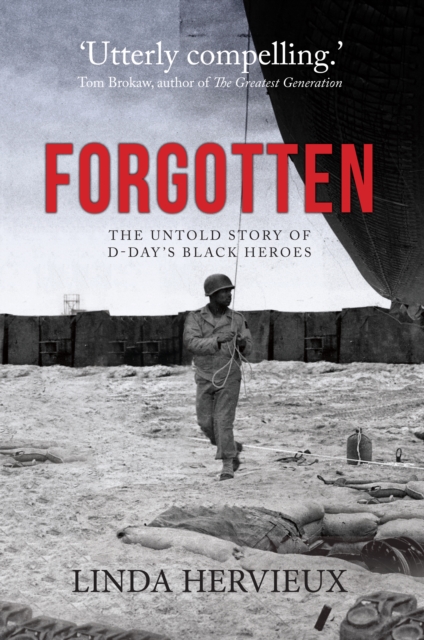
Forgotten is an extraordinary blend of military and social history - a story that pays tribute to the valour of an all-black battalion whose crucial contributions at D-Day have gone unrecognised to this day.
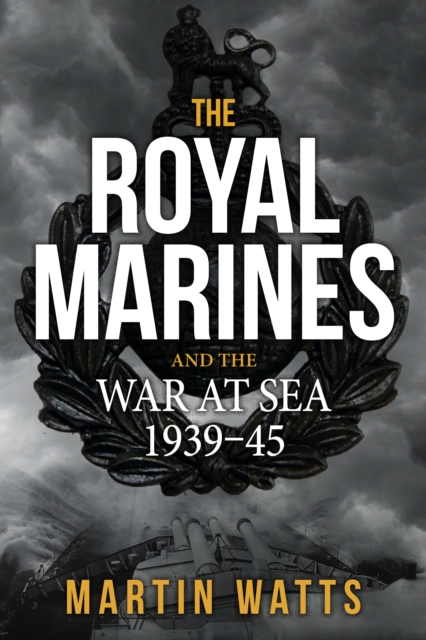
In The Royal Marines and the War at Sea 1939-45 military and naval historian Martin Watts records how marines fought at sea, their relationship with the Royal Navy, and the overall contribution they made to victory in the Second World War.
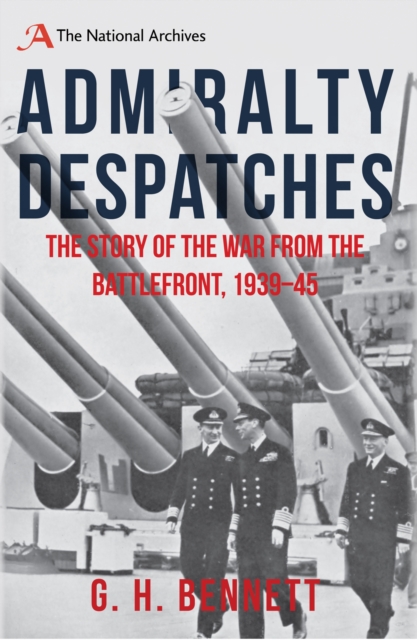
From at least as early as the eighteenth century it became a tradition that, following operations involving the Royal Navy, the commanding admiral would report to the Admiralty in the form of an official despatch.
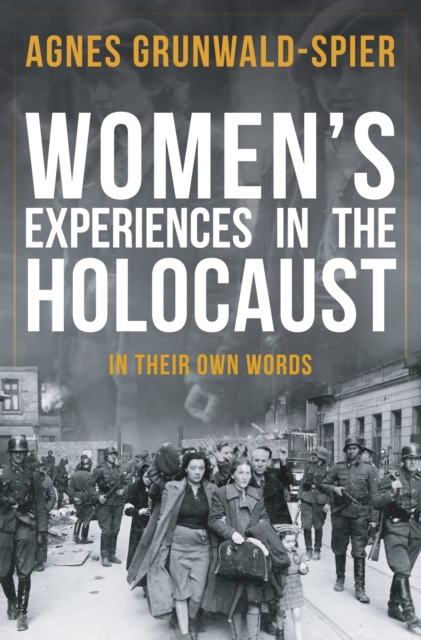
Part of a new Holocaust remembrance series of important testimonies and memoirs from the unique collections of Yad Vashem, the World Holocaust Remembrance Centre.
Part of a new Holocaust remembrance series of important testimonies and memoirs from the unique collections of Yad Vashem, the World Holocaust Remembrance Centre.
Part of a new Holocaust remembrance series of important testimonies and memoirs from the unique collections of Yad Vashem, the World Holocaust Remembrance Centre.
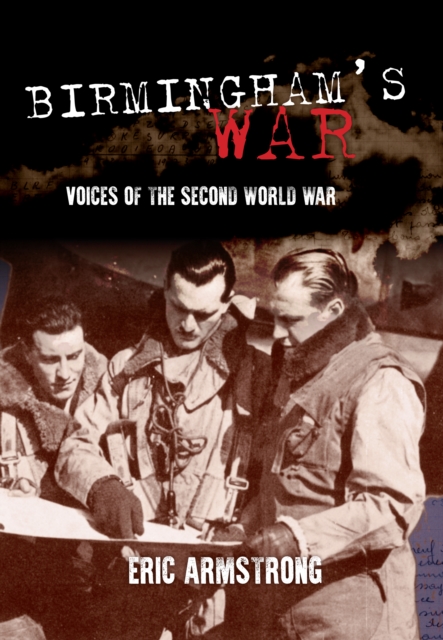
Birmingham's War: Voices of the Second World War is a collection of 100 accounts by local young men and women who served in the armed forces during the Second World War.
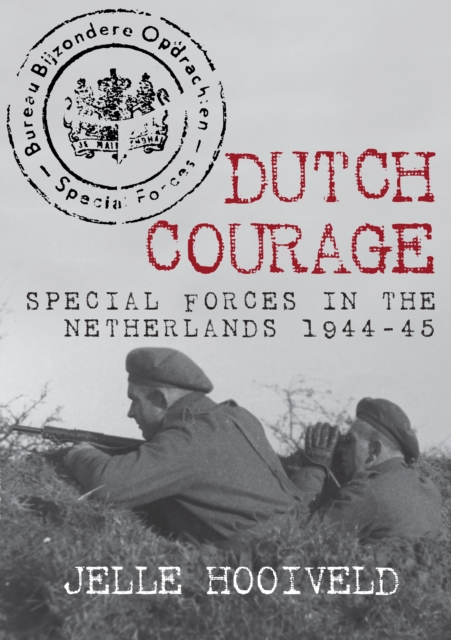
From early September 1944, Allied special forces teams were deployed in the occupied Netherlands to strengthen the armed resistance and gather intelligence.
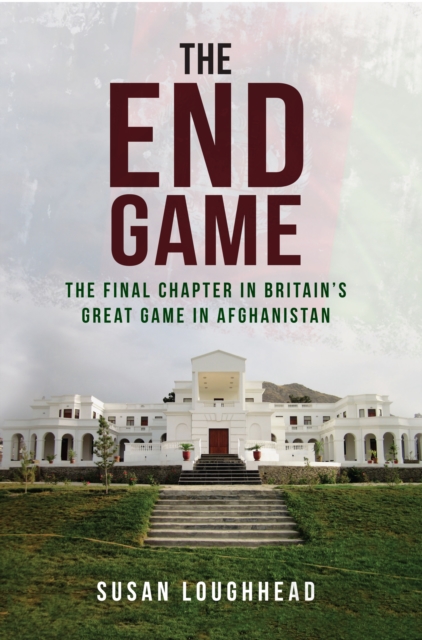
Beginning by drawing parallels between the author's experiences at the British Embassy in Kabul from 2010 to 2013 and her grandfather's experiences of the same just after Indian Independence from 1948 to 1950, this book takes a thematic approach to analyse the role of Britain in Afghanistan since the conclusion of the Second World War.
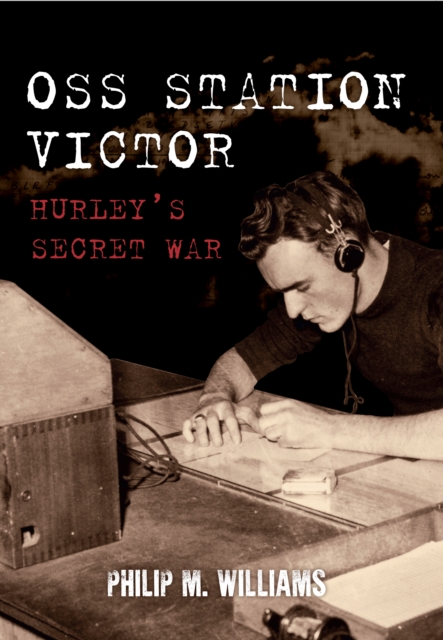
Over the past 1,000 years Hurley, in the County of Berkshire, has experienced its fair share of historic events, from royal visitations to the Glorious Revolution of 1688.
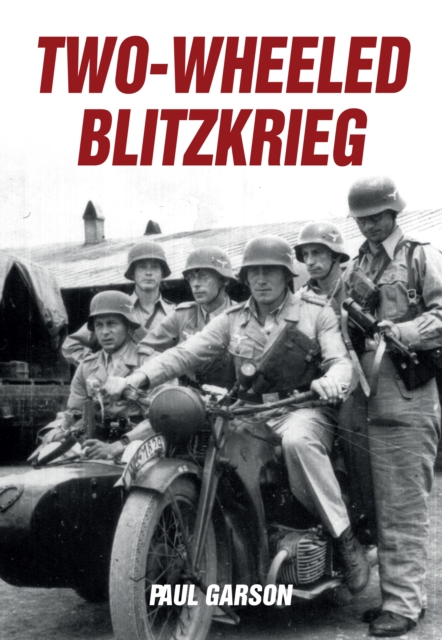
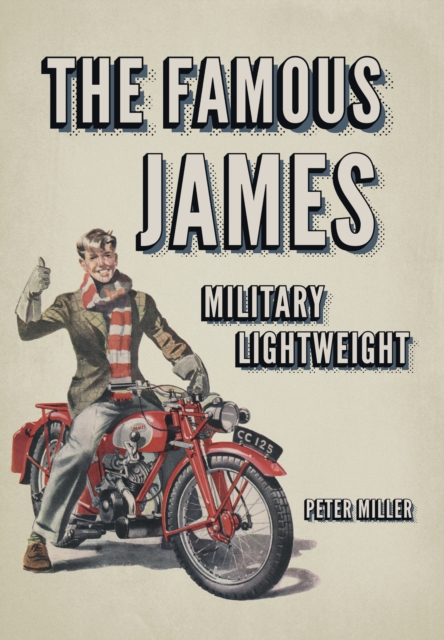
This book tells the story of the famous James ML military motorcycle which had originally been developed as a utility machine for the working man and was then modified for the military during the Second World War.
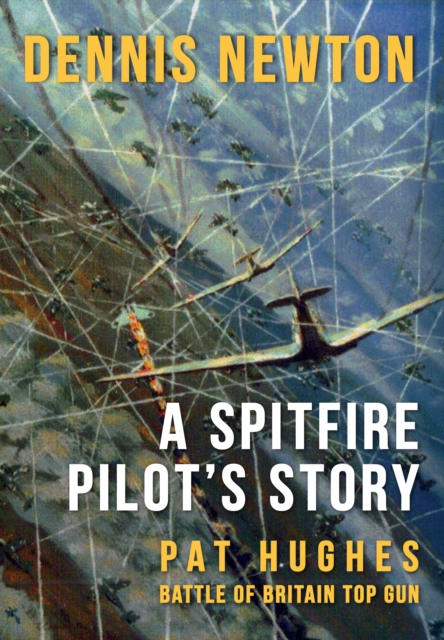
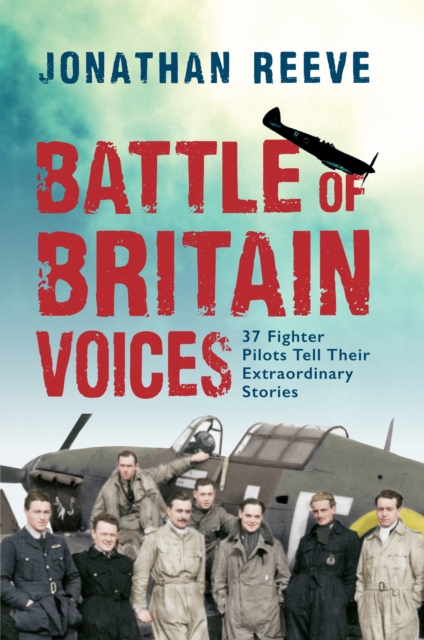
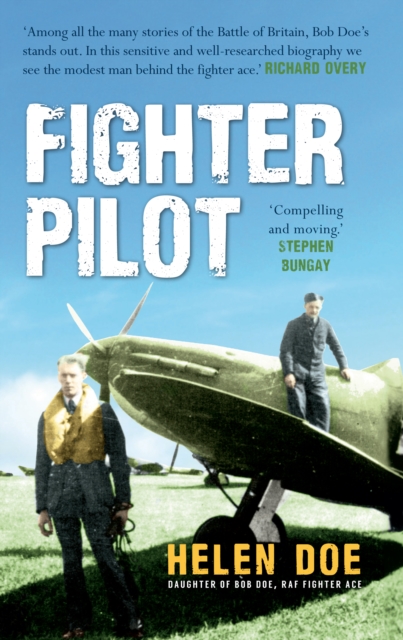
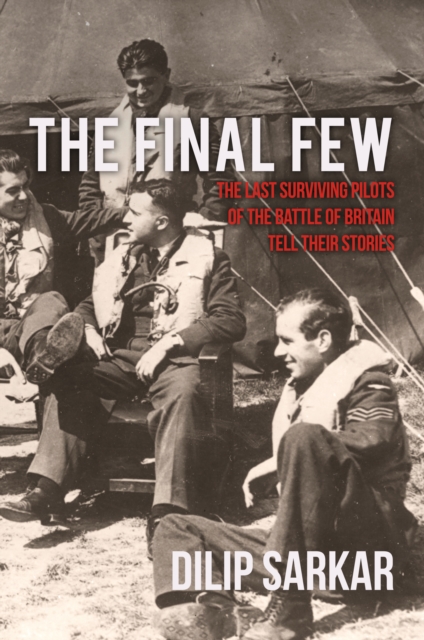
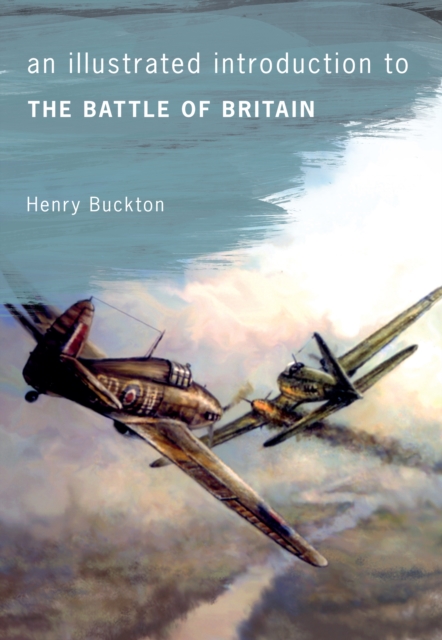
Summer 1940, Britain is on the brink, fewer than 3,000 RAF fighter pilots stand between Hitler's Luftwaffe and air supremacy over the skies of southern England - the prerequisite for a German invasion.
Pitched into the maelstrom of air fighting in the summer of 1940, twenty-four-year-old Gordon Olive barely lived to tell this extraordinary tale of courage and endurance.
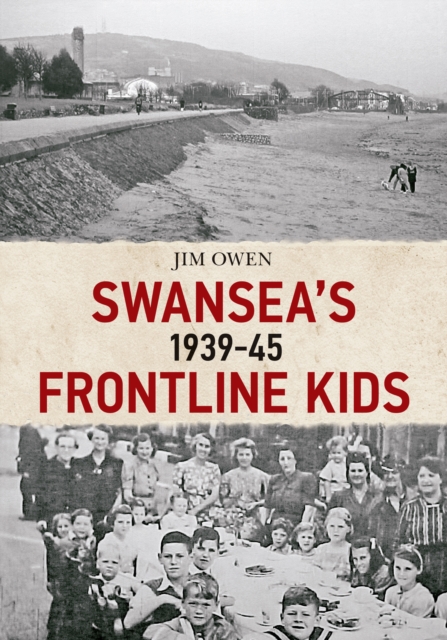
These are the memories of wartime kids, Swansea children from a variety of backgrounds whose lives were dramatically changed by the brutal strategic planning and waging of war.
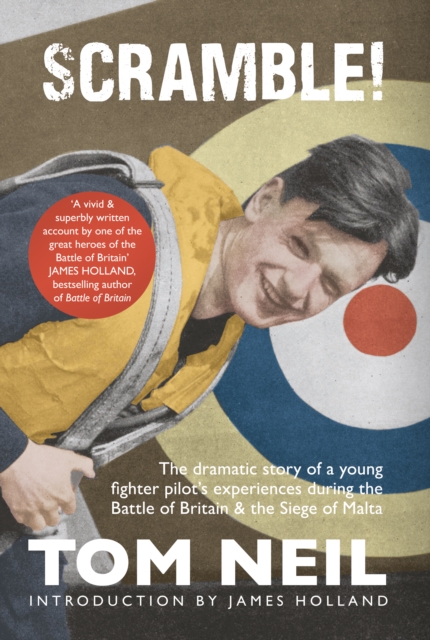
This is a fighter pilot's memoir of four tumultuous years, 1938-1942, when he was first trained, then fought and survived in not one but two of the biggest aerial campaigns of the war, the Battle of Britain and the equally epic, but lesser known, Siege of Malta.
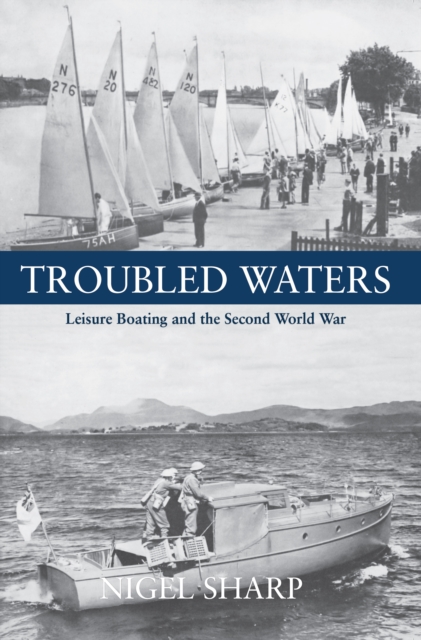
This is the story of how the Second World War affected leisure boating: of the people who managed to overcome huge difficulties to go sailing during the war itself and the difficulties of re-establishing the sport in post-war years; of the sailing and yacht clubs which survived bombings, requisitioning, shortages and a host of other problems, and still thrive today.
'We ourselves were almost awestruck, not so much at the power of the Bomb, for this we had expected, but because the Americans had used it with so little notice.
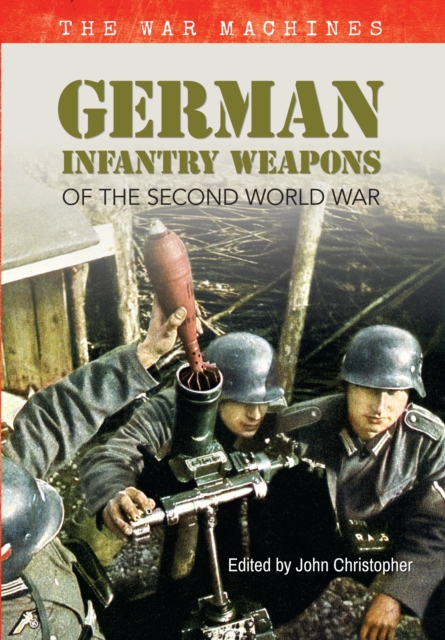
This fascinating in-depth dossier is based on classified wartime reports issued by the US Military Intelligence Services, and examines the main weapon types - pistols, rifles, grenades, machine guns and mortars as well as anti-tank guns and infantry howitzers.