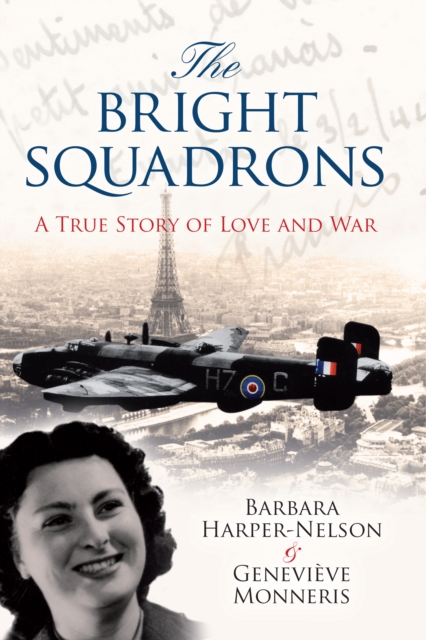
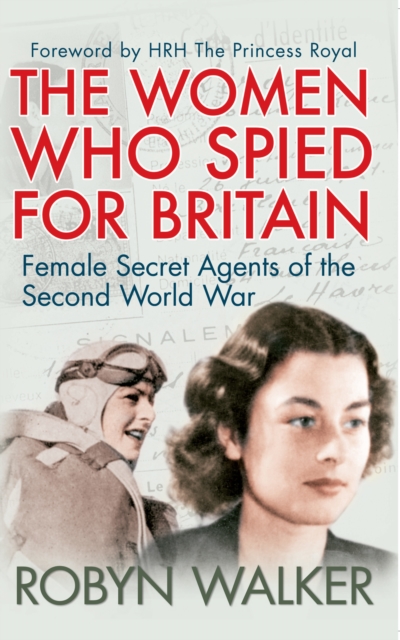
Barbara Harper-Nelson was once the 19-year-old girlfriend, living in Liverpool, of 22-year-old French airman Francis Usai, who was in the RAF Bomber Command.
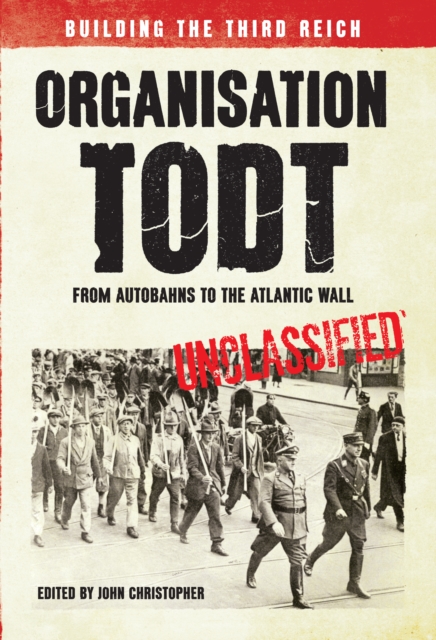
Based on a confidential wartime British Government report, this in-depth dossier details the inner workings of Organisation Todt, which not only built the Reichsautobahns, but also Germany's Siegfried Line and the Atlantic Wall.
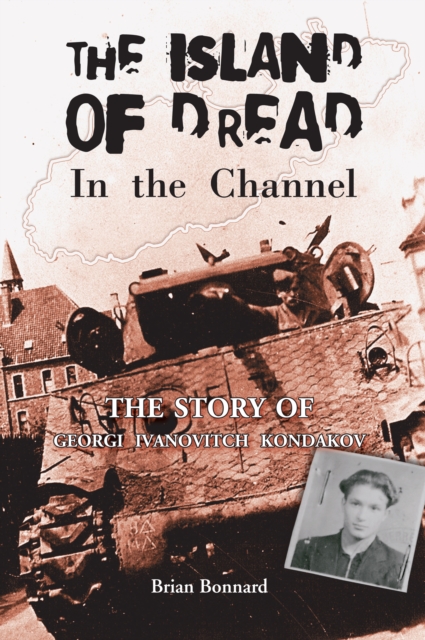
Georgi Kondakov was sixteen years old when he was brought to Alderney in August 1942 with about 1,000 other young Russians to build part of Hitler's Atlantic Wall defences.
Ryuji Nagatsuka did not know, when he made an application to become a pilot in October 1943, that by the following autumn Japan's situation in the war would be so critical that the role for which he was destined would be part of the most incomprehensible phenomenon of the hostilities - that of a suicide pilot, known to the world as a kamikaze.
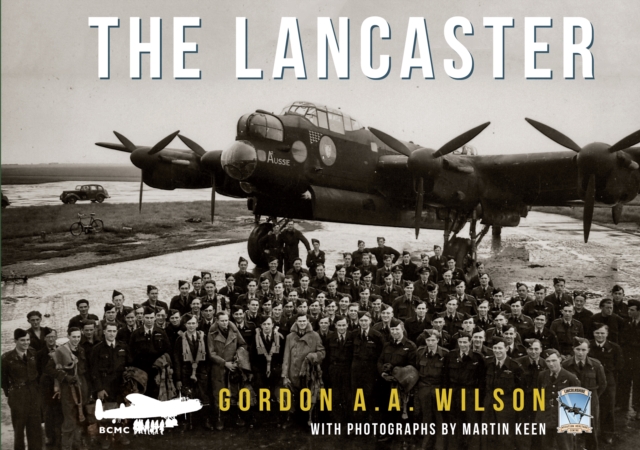
The Avro Lancaster took the RAF's bombing campaign right to the heart of Nazi Germany, night after night, despite sometimes suffering appalling losses.
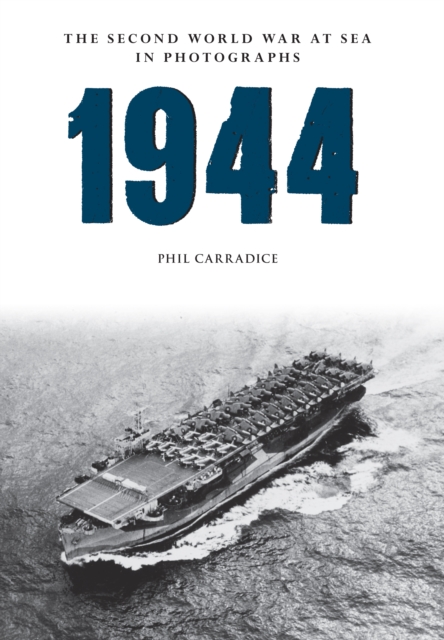
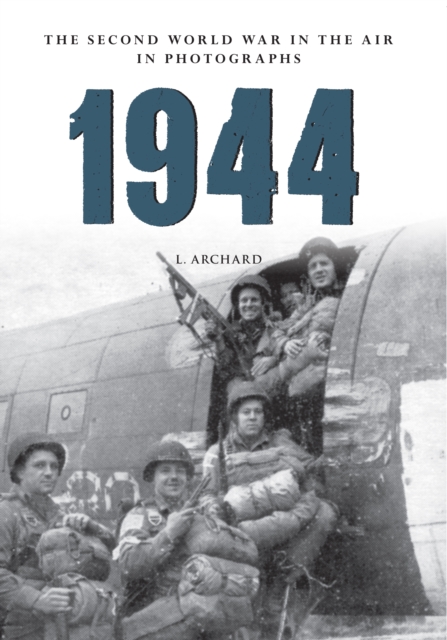
On 21 August 1944 German Army Group B was destroyed in Normandy and Allied troops began pressing east from the beachhead they had occupied since the D-Day landings.
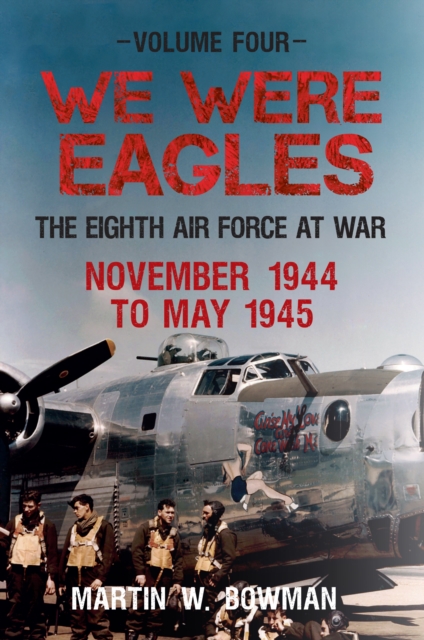
Volume 4 of We Were Eagles reaches the climax of the daylight bomber war which saw the Eighth Air Force B-17s and B-24s push back the boundaries and huge fleets of bombers penetrate further into the diminishing Reich.
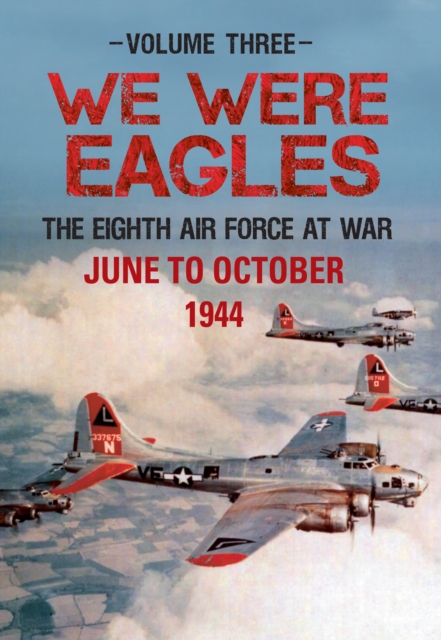
Volume 3 of We Were Eagles covers the turning of the tide, when the air war was redirected to bombing communications targets in northern France in support of the 6 June D-Day invasion and the eventual breakout by Allied forces from the beachheads.
At the onset of the Second World War, Frank Pleszak's father MikoAaj, aged nineteen, was forcibly removed from his family in Poland by the Russian secret police and exiled to the harshest of the Siberian labour camps, the dreaded Soviet gulags of Kolyma.
On 1st September 1939 evacuee children arrived at Cirencester, the first of 'a sorry procession' to leave the cities for the comparative safety of the Cotswolds.
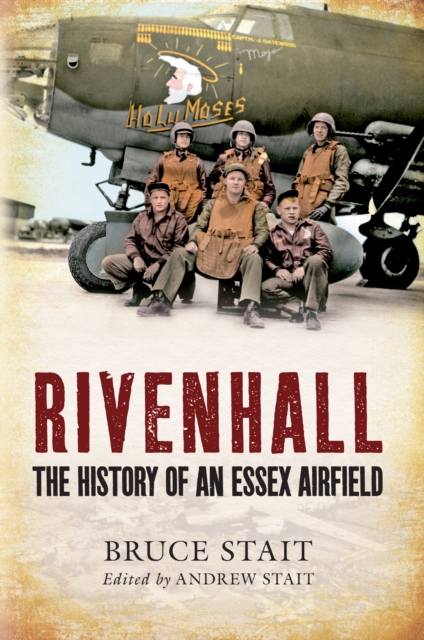
The wartime airfi eld at Rivenhall is typical of the many airbases that were hastily built in Britain following the entry of the US into the Second World War.
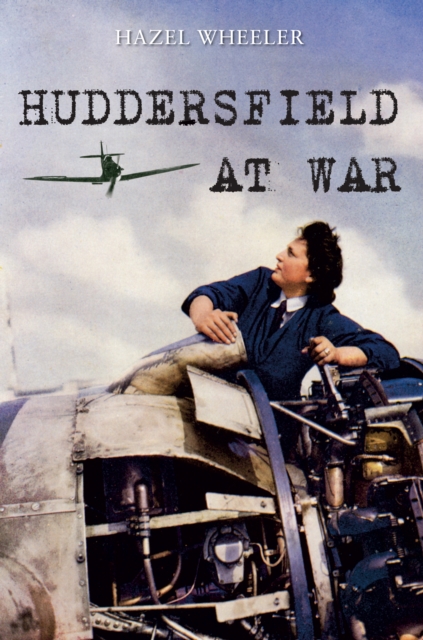
Huddersfield at War takes us through the years between the announcement on 3 September 1939 that England was at War with Germany, to the VE celebrations on 8 May 1945.
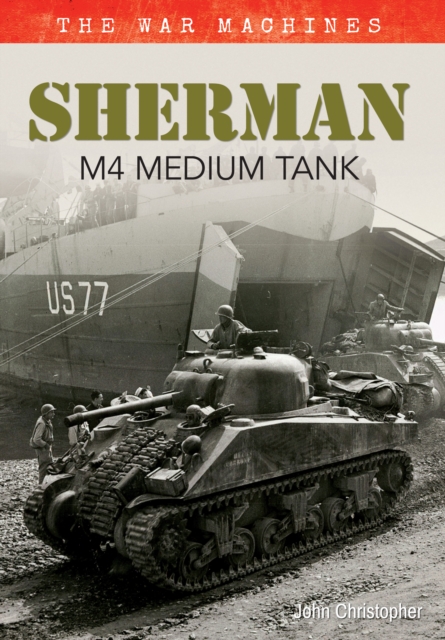
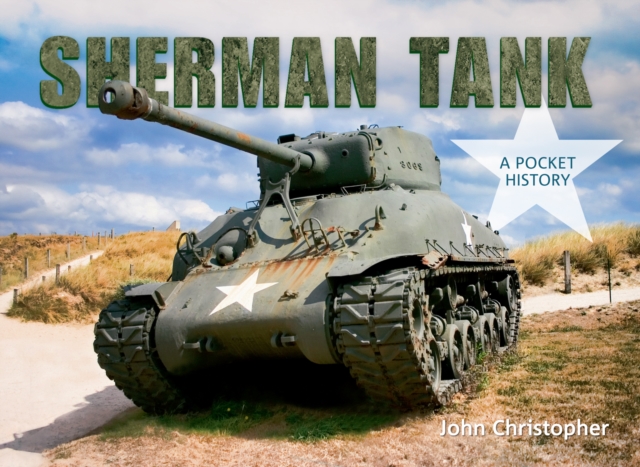
Once described as the 'worst tank that ever won the war', the Sherman tank was never going to be the equal of the German heavies in a direct tank-on-tank confrontation.
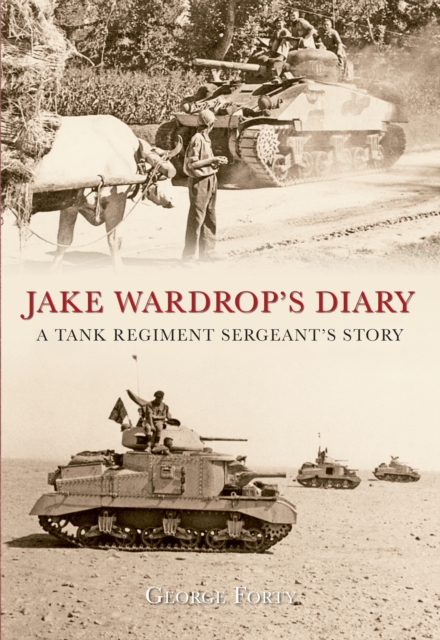
The personal story of a British tank sergeant's war, from the fall of France in 1940, through the bloody campaigns against Rommel's forces in North Africa, the hard-fought drive up Italy, D-Day and the battles for France and the low countries, and the invasion of the German heartland itself.
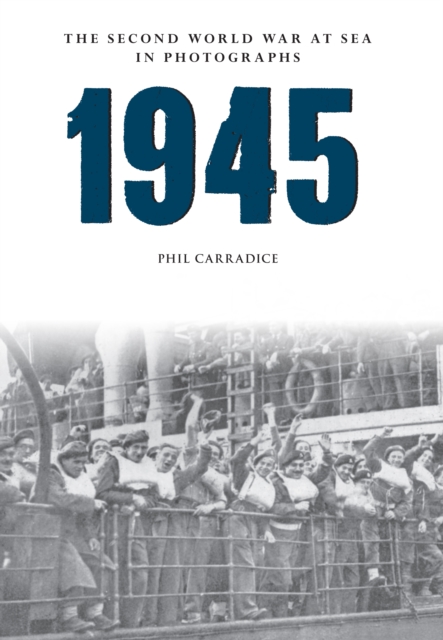
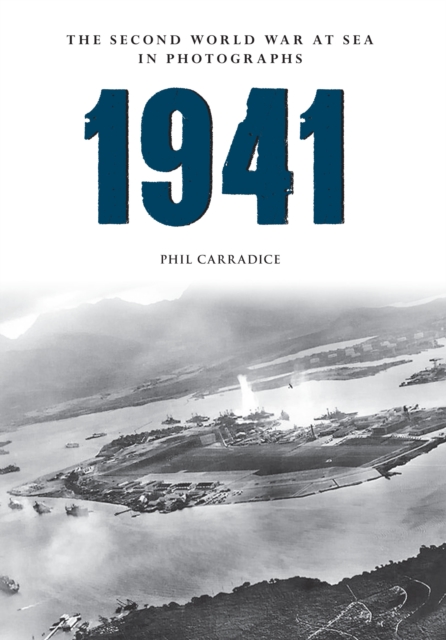
The final year of the Second World War was very quiet in terms of naval operations, as European leaders turned their minds towards peace with the promise of unconditional German surrender.
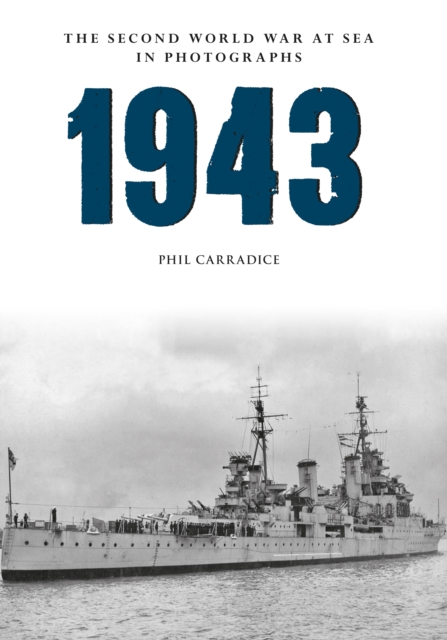
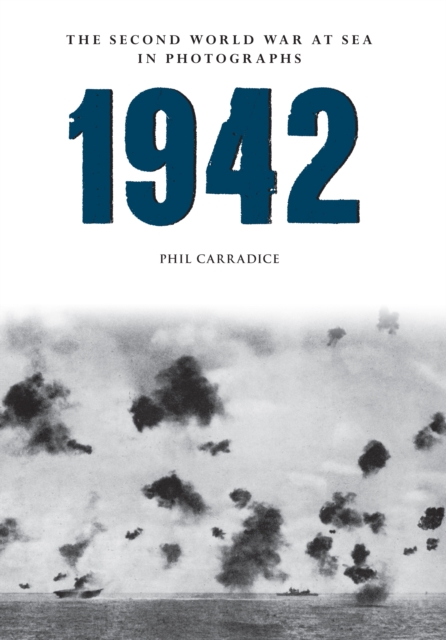
At the beginning of the year, the Battle of Guadalcanal was still raging on, but the Americans had secured their first complete victory in the Pacific by the end of February, although the war in this theatre was far from over, with several further engagements taking place throughout the year.