Illegal Jewish immigration to Palestine prior to the founding of the State of Israel forms one of the most fascinating chapters in the history of Zionism and modern Jewish history.
This book brings together an internationally respected group of researchers for the purpose of examining neuroplasticity, a topic of immense current interest in psychology, neuroscience, neuropsychology, and clinical neurology.
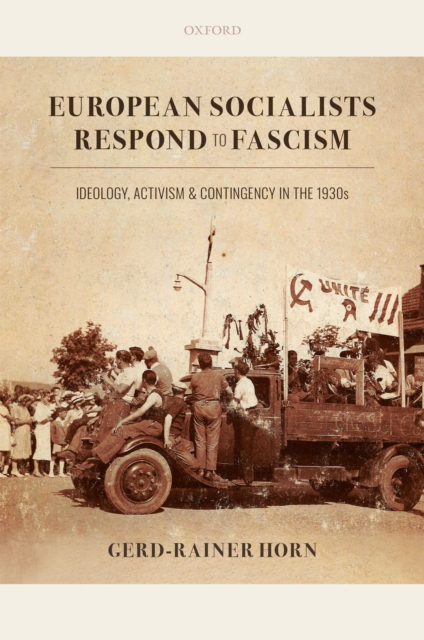
Based on documents collected in six European countries, European Socialists Respond to Fascism: Ideology, Activism and Contingency in the 1930s is a transnational study of largely parallel developments in Austria, Belgium, France, Germany, and Spain in the years 1933-1936.
Since unification, Germany has experienced profound changes, including the reawakening of xenophobic hate crime, anti-Semitic incidents, and racist violence.
This first socio-organizational history of the Gestapo, the SD, and the regular detectives of the Third Reich, 1932-1937, this book explores the roots of their roles in police terror and programs of mass murder.
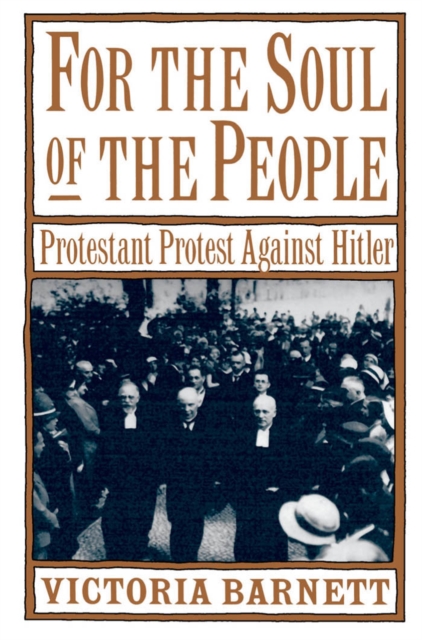
The Confessing Church was one of the rare German organizations that opposed Nazism from the very beginning, and in For the Soul of the People, Victoria Barnett delves into the story of the Church's resistance to Hitler.
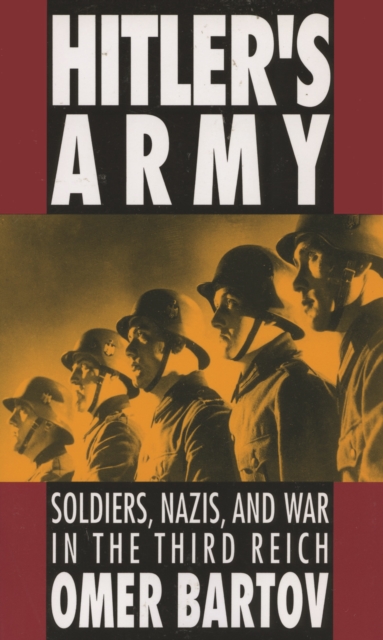
As the Cold War followed on the heels of the Second World War, as the Nuremburg Trials faded in the shadow of the Iron Curtain, both the Germans and the West were quick to accept the idea that Hitler's army had been no SS, no Gestapo, that it was a professional force little touched by Nazi politics.
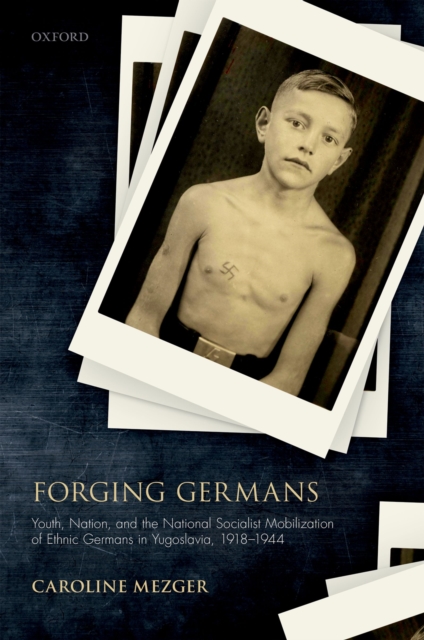
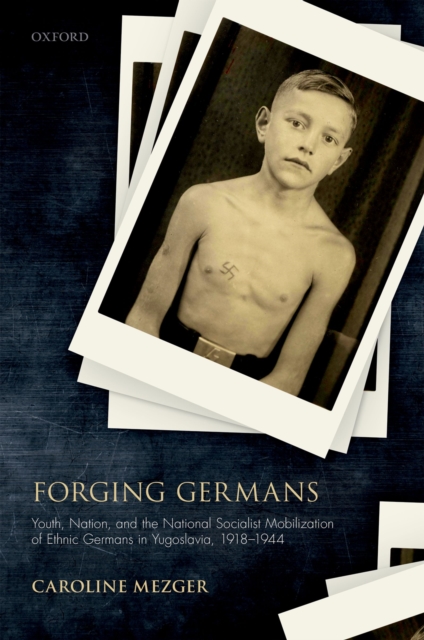
Forging Germans explores the German nationalization and eventual National Socialist radicalization of ethnic Germans in the Batschka and the Western Banat, two multiethnic, post-Habsburg borderland territories currently in northern Serbia.
Forging Germans explores the German nationalization and eventual National Socialist radicalization of ethnic Germans in the Batschka and the Western Banat, two multiethnic, post-Habsburg borderland territories currently in northern Serbia.
This book is an intellectual history of Ernst Fraenkel's The Dual State (1941, reissued 2017), one of the most erudite books on the theory of dictatorship ever written.
This book is an intellectual history of Ernst Fraenkel's The Dual State (1941, reissued 2017), one of the most erudite books on the theory of dictatorship ever written.
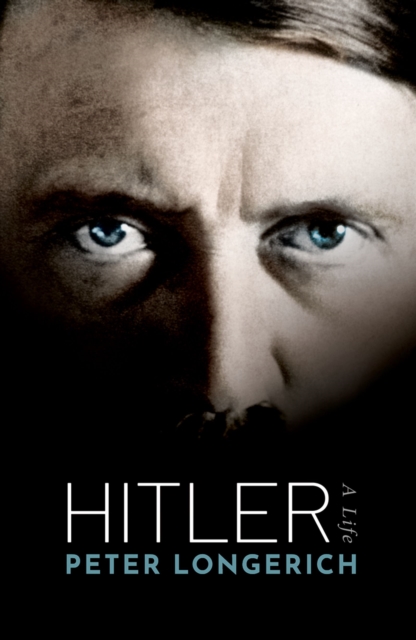
Tyrant, psychopath, and implementer of a ruthless programme of racial extermination, Adolf Hitler was also the charismatic Fuhrer of millions of dedicated followers.
Tyrant, psychopath, and implementer of a ruthless programme of racial extermination, Adolf Hitler was also the charismatic Fuhrer of millions of dedicated followers.
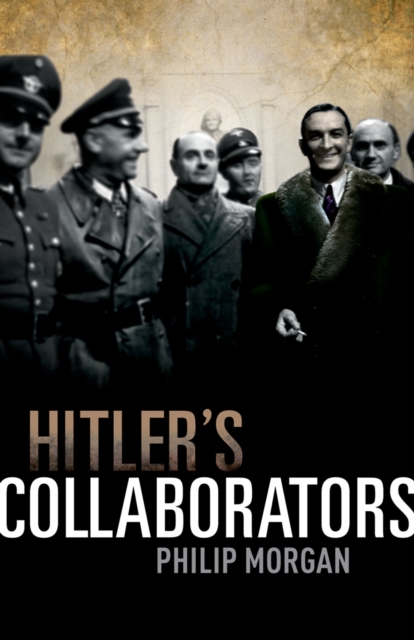
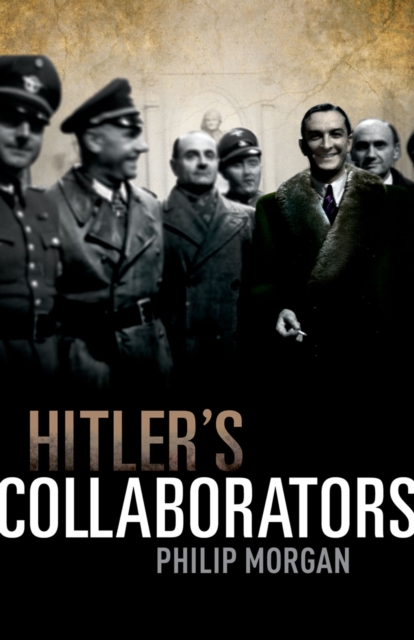
Hitler's Collaborators focuses the spotlight on one of the most controversial and uncomfortable aspects of the Nazi wartime occupation of Europe: the citizens of those countries who helped Hitler.
Hitler's Collaborators focuses the spotlight on one of the most controversial and uncomfortable aspects of the Nazi wartime occupation of Europe: the citizens of those countries who helped Hitler.
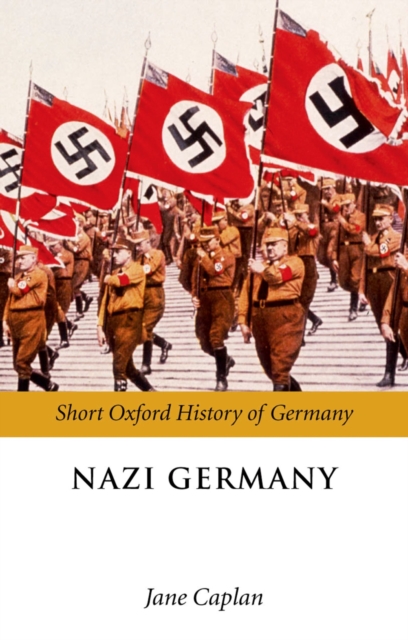
The history of National Socialism as movement and regime remains one of the most compelling and intensively studied aspects of twentieth-century history, and one whose significance extends far beyond Germany or even Europe alone.
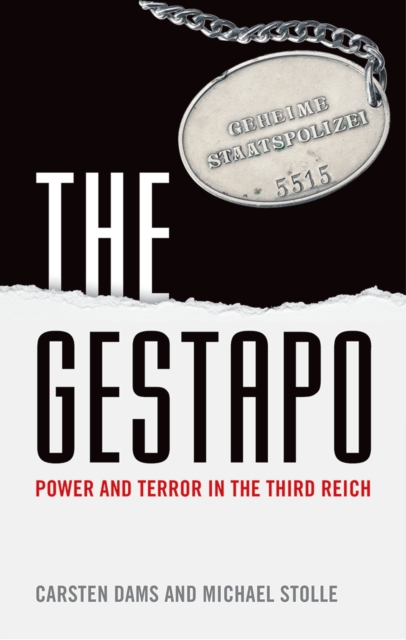
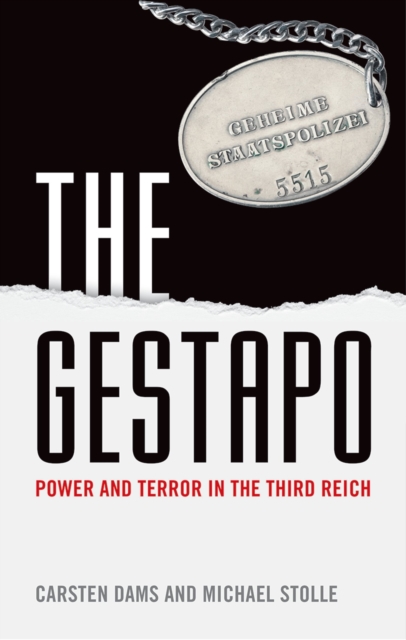
The Gestapo was the most feared instrument of political terror in the Third Reich, brutally hunting down and destroying anyone it regarded as an enemy of the Nazi regime: socialists, Communists, Jews, homosexuals, and anyone else deemed to be an 'anti-social element'.
The Gestapo was the most feared instrument of political terror in the Third Reich, brutally hunting down and destroying anyone it regarded as an enemy of the Nazi regime: socialists, Communists, Jews, homosexuals, and anyone else deemed to be an 'anti-social element'.
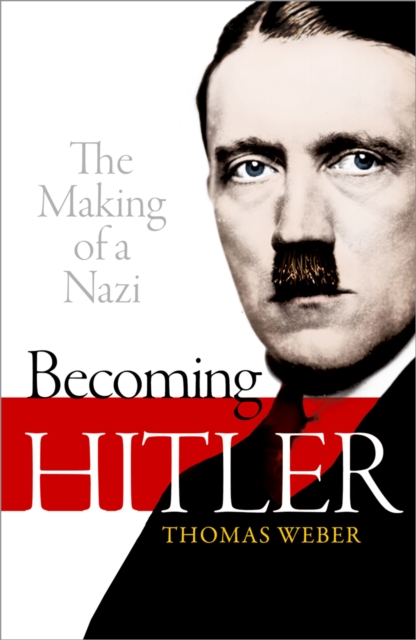
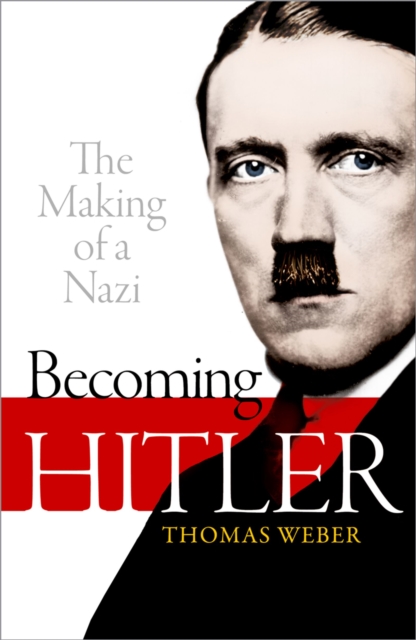
The story of the making of Adolf Hitler that we are all familiar with is the one Hitler himself wove in his 1924 trial, and then expanded upon in Mein Kampf.
The story of the making of Adolf Hitler that we are all familiar with is the one Hitler himself wove in his 1924 trial, and then expanded upon in Mein Kampf.
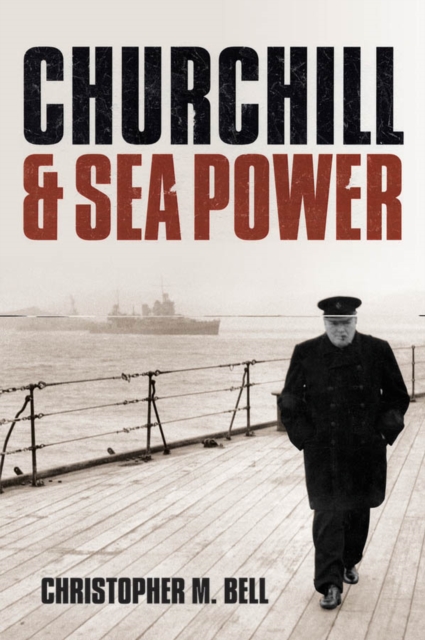
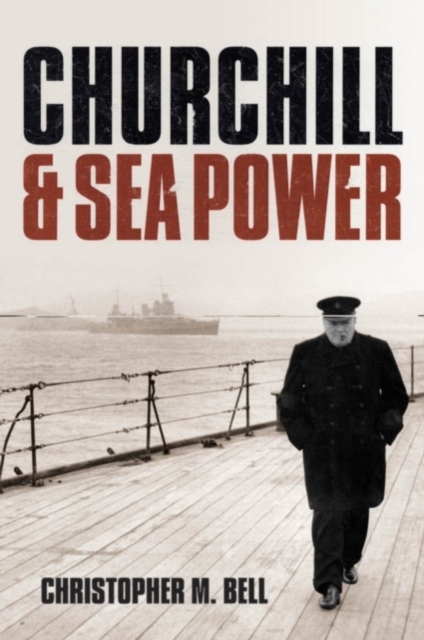
Winston Churchill had a longer and closer relationship with the Royal Navy than any British statesman in modern times, but his record as a naval strategist and custodian of the nation's sea power has been mired in controversy since the ill-fated Dardanelles campaign in 1915.
Winston Churchill had a longer and closer relationship with the Royal Navy than any British statesman in modern times, but his record as a naval strategist and custodian of the nation's sea power has been mired in controversy since the ill-fated Dardanelles campaign in 1915.