This Very Short Introduction offers a powerfully-written explanation of the war's complex origins and course, and explores its impact on a personal and international scale.
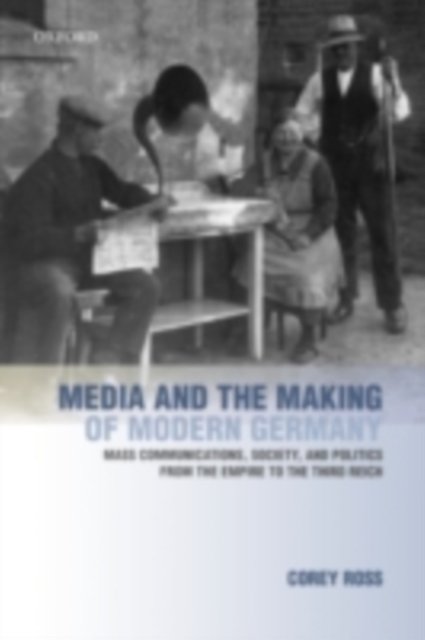
Few developments in the industrial era have had a greater impact on everyday social life than the explosion of the mass media and commercial entertainments, and none have exerted a more profound influence on the nature of modern politics.
Barbed Wire Diplomacy examines how the United Kingdom government went about protecting the interests, lives and well-being of its prisoners of war (POWs) in Nazi Germany between 1939 and 1945.
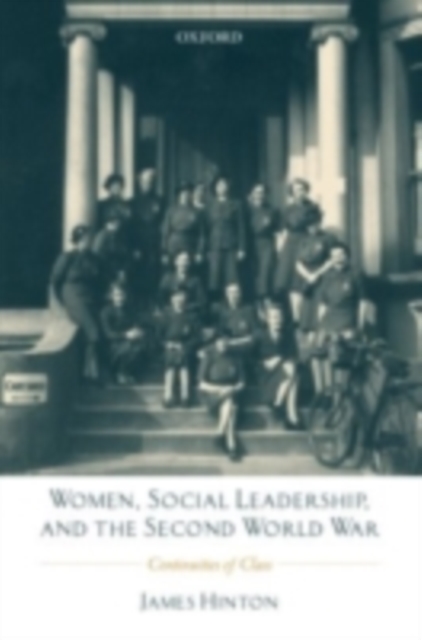
James Hinton uses diaries kept by nine 'ordinary' people in wartime Britain to re-evaluate the social history of the Second World War, and to reflect on the twentieth-century making of the modern self.
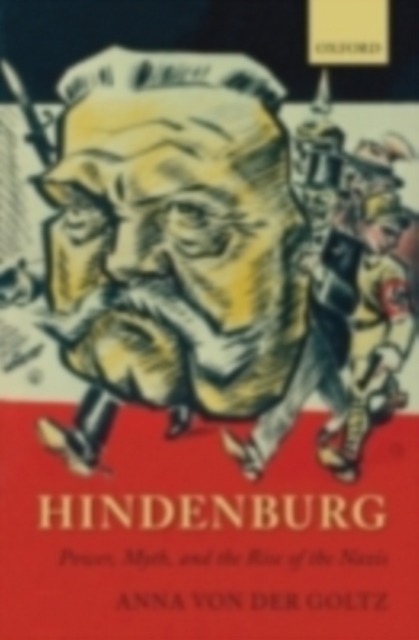
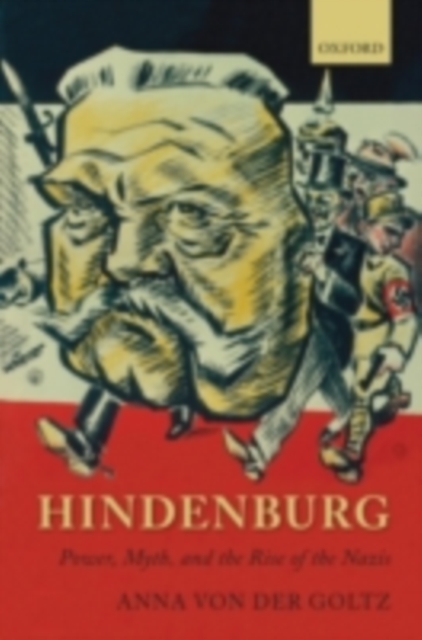
Hindenburg reveals how a previously little-known general, whose career to normal retirement age had provided no real foretaste of his heroic status, became a national icon and living myth in Germany after the First World War, capturing the imagination of millions.
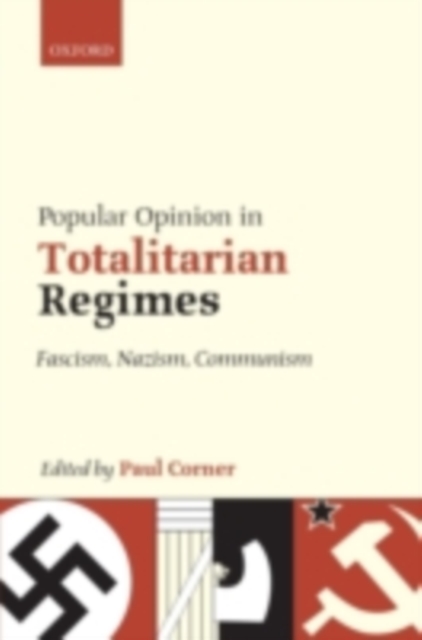
Fascism, Nazism, and Communism dominated the history of much of the twentieth century, yet comparatively little attention has focused on popular reactions to the regimes that sprang from these ideologies.
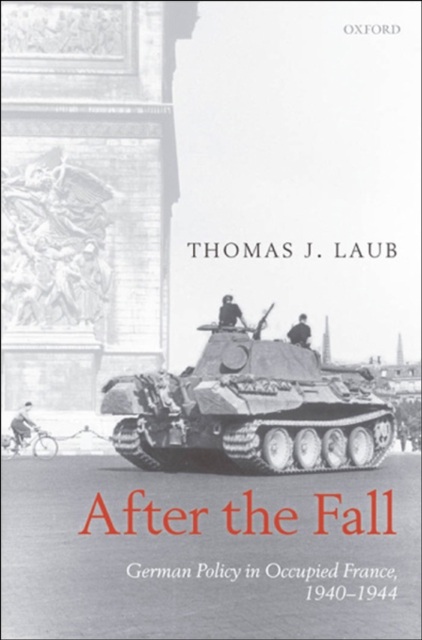
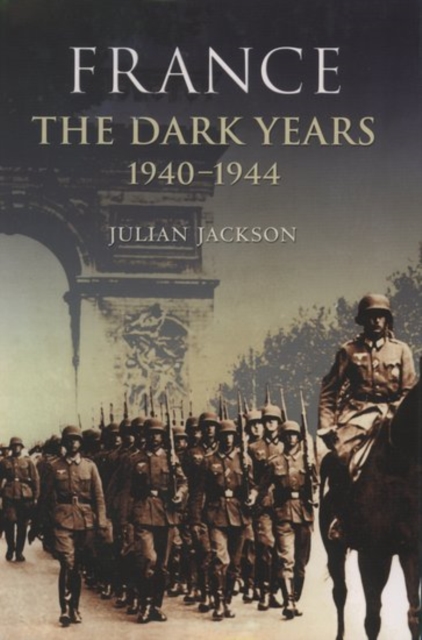
German policy in occupied France during the Second World War was in many ways a story of bitter internal conflict between the various German agencies in charge of the occupation.
Barbed Wire Diplomacy examines how the United Kingdom government went about protecting the interests, lives and well-being of its prisoners of war (POWs) in Nazi Germany between 1939 and 1945.
James Hinton uses diaries kept by nine 'ordinary' people in wartime Britain to re-evaluate the social history of the Second World War, and to reflect on the twentieth-century making of the modern self.
German policy in occupied France during the Second World War was in many ways a story of bitter internal conflict between the various German agencies in charge of the occupation.
Fascism, Nazism, and Communism dominated the history of much of the twentieth century, yet comparatively little attention has focused on popular reactions to the regimes that sprang from these ideologies.
Hindenburg reveals how a previously little-known general, whose career to normal retirement age had provided no real foretaste of his heroic status, became a national icon and living myth in Germany after the First World War, capturing the imagination of millions.
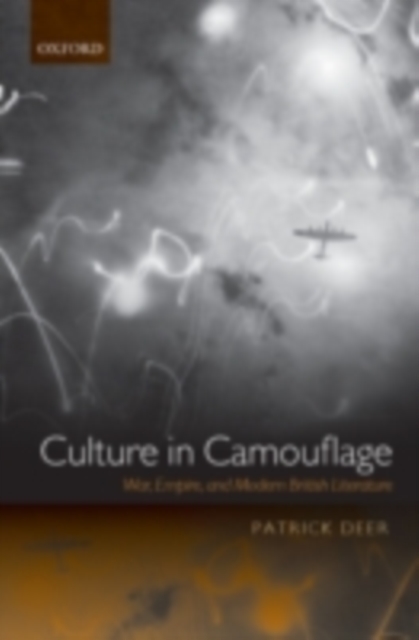
Culture in Camouflage aims to remap the history of British war culture by insisting on the centrality and importance of the literature of the Second World War.
Few developments in the industrial era have had a greater impact on everyday social life than the explosion of the mass media and commercial entertainments, and none have exerted a more profound influence on the nature of modern politics.
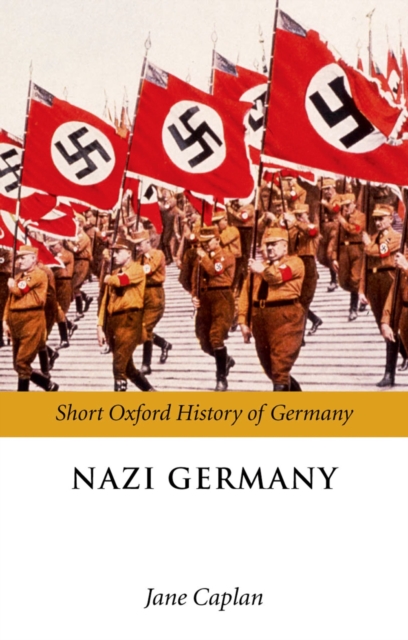
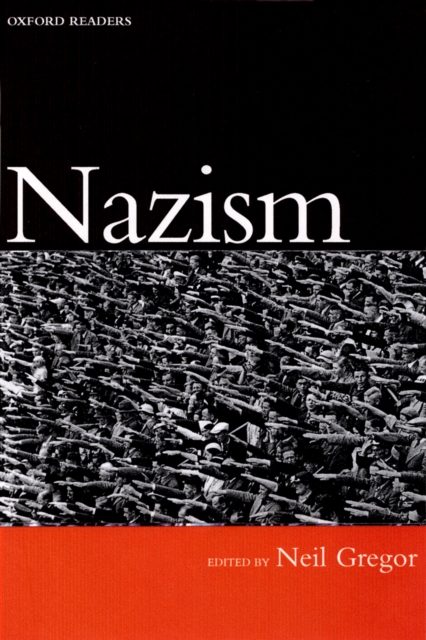
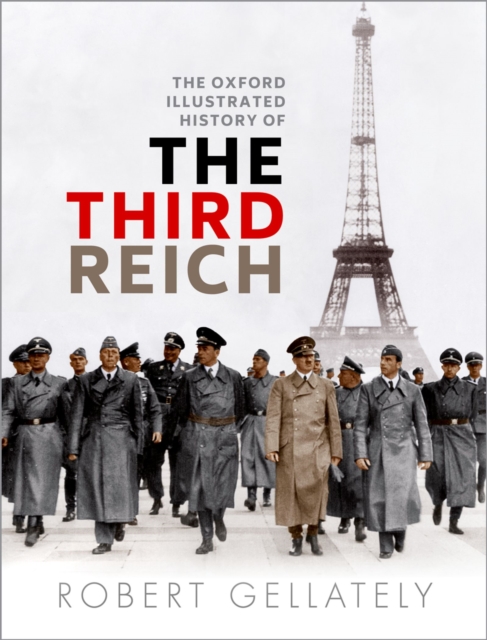
The history of National Socialism as movement and regime remains one of the most compelling and intensively studied aspects of twentieth-century history, and one whose significance extends far beyond Germany or even Europe alone.
The trial of major Nazi war criminals in Nuremberg was a landmark event in the development of modern international law, and continues to be highly influential in our understanding of international criminal law and post-conflict justice.
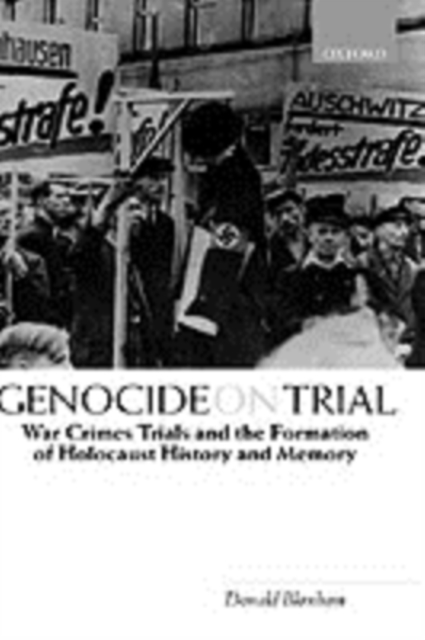
When the Allies decided to try German war criminals at the end of World War II they were attempting not only to punish the guilty but also to create a record of what had happened in Europe.
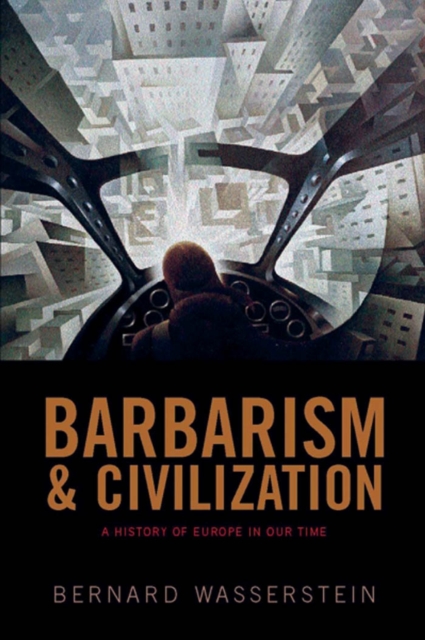
A concise introduction to European history between 1914 and 1945, this series of succinct interpretations written by leading scholars offers a new introduction to the period.
Six decades after the defeat of National Socialism, commemoration and mourning are ongoing, open-ended projects in Germany and Austria, and continue to generate a steady stream of literature and film about the Nazi past that, while comparatively modest in volume, is often disproportionately influential in public debates.
The Macedonian Question - the struggle for control over a territory with historically ill-defined borders and conflicting national identities - is one of the most intractable problems in modern Balkan history.
Franklin Roosevelt's good neighbour policy, coming in the wake of decades of US intervention in Central America, and following a lengthy US military occupation of Nicaragua, marked a significant shift in US policy towards Latin America.
This Very Short Introduction offers a powerfully-written explanation of the war's complex origins and course, and explores its impact on a personal and international scale.