In the past decade philosophers and political theorists have increasingly pondered the role of religion in a modern secular society, and of the possible value of religion as a resource for contemporary thinking.
In the past decade philosophers and political theorists have increasingly pondered the role of religion in a modern secular society, and of the possible value of religion as a resource for contemporary thinking.
The 1950s in India were a crucial transition phase where the legacy and institutions of British rule had to be transformed to fit the needs of a post-colonial state.
The 1950s in India were a crucial transition phase where the legacy and institutions of British rule had to be transformed to fit the needs of a post-colonial state.
Conservatives and Liberals often resort to cartoon images of the opposing ideology, relying on broadly defined caricatures to illustrate their opposition.
Conservatives and Liberals often resort to cartoon images of the opposing ideology, relying on broadly defined caricatures to illustrate their opposition.
This book argues that politics, in the sense of the government of our social structure, holds the key to the resolution of educational problems in the early twentieth century; that the teacher will only be relieved of his or her sense of frustration through government and ultimately socialist action.
This book argues that politics, in the sense of the government of our social structure, holds the key to the resolution of educational problems in the early twentieth century; that the teacher will only be relieved of his or her sense of frustration through government and ultimately socialist action.
This book traces and analyzes the legislation and implementation of pension reforms in four Central, Eastern and Southeastern European countries: Croatia, Hungary, Poland and Slovenia.
This book traces and analyzes the legislation and implementation of pension reforms in four Central, Eastern and Southeastern European countries: Croatia, Hungary, Poland and Slovenia.
The papers given by the Soviet Delegation to the Second International Congress of the History of Science and Technology in London in 1931, headed by N.
The papers given by the Soviet Delegation to the Second International Congress of the History of Science and Technology in London in 1931, headed by N.
Over a decade ago, Jorge Castaneda wrote the classic Utopia Unarmed, which offered a penetrating and comprehensive account of the Latin American left's fate at the end of the Cold War.
Over a decade ago, Jorge Castaneda wrote the classic Utopia Unarmed, which offered a penetrating and comprehensive account of the Latin American left's fate at the end of the Cold War.
This edited volume comprises a series of essays about Patrick Maynard Stewart Blackett, one of the greatest scientists of the 20th century, as well as a prominent figure in the Royal Navy and British politics.
This edited volume comprises a series of essays about Patrick Maynard Stewart Blackett, one of the greatest scientists of the 20th century, as well as a prominent figure in the Royal Navy and British politics.
Tracing the development of German socialism in Britain and on the continent in the mid-nineteenth century, this is the first substantial study to combine two very important aspects: an analysis of this crucial stage in socialist political theory development and the examination of the social and cultural environment of this immigrant community.
Tracing the development of German socialism in Britain and on the continent in the mid-nineteenth century, this is the first substantial study to combine two very important aspects: an analysis of this crucial stage in socialist political theory development and the examination of the social and cultural environment of this immigrant community.
Two decades have now passed since the revolutions of 1989 swept through Eastern Europe and precipitated the collapse of state socialism across the region, engendering a period of massive social, economic and political transformation.
Two decades have now passed since the revolutions of 1989 swept through Eastern Europe and precipitated the collapse of state socialism across the region, engendering a period of massive social, economic and political transformation.
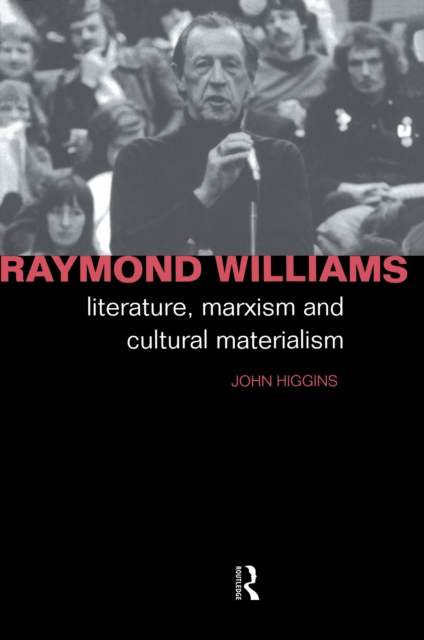
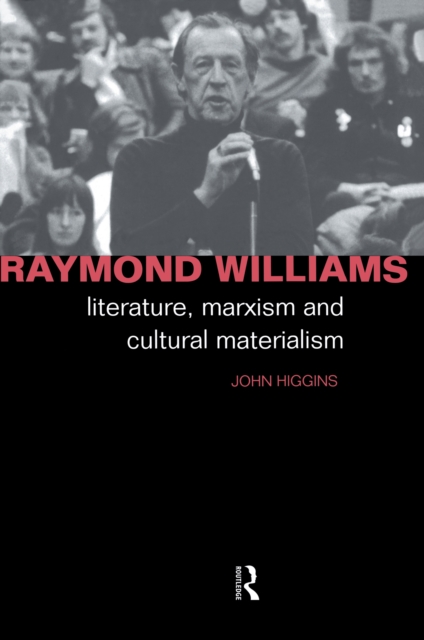
Raymond Williams' prolific output is increasingly recognised as the most influential body of work on literary and cultural studies in the past fifty years.
Raymond Williams' prolific output is increasingly recognised as the most influential body of work on literary and cultural studies in the past fifty years.
The Credit Crunch of 2008 has exposed the fallacies of neoliberalism and its thesis of the self-regulating market, which has been ascendant in both economic theory and policy over the last 30 years.
The Credit Crunch of 2008 has exposed the fallacies of neoliberalism and its thesis of the self-regulating market, which has been ascendant in both economic theory and policy over the last 30 years.
In this collection, contributors discuss a central theme which is both theoretical and practical - the role of the state in achieving social justice in modern market systems from a socialist perspective.
In this collection, contributors discuss a central theme which is both theoretical and practical - the role of the state in achieving social justice in modern market systems from a socialist perspective.
This book examines the fortunes of social democracy since 1989 in the former GDR, Poland, Hungary, the Czech Republic and Slovakia, setting the analysis in a broader European framework, and relating the current problems of social democracy in western Europe to developments in the east of the continent.
This book examines the fortunes of social democracy since 1989 in the former GDR, Poland, Hungary, the Czech Republic and Slovakia, setting the analysis in a broader European framework, and relating the current problems of social democracy in western Europe to developments in the east of the continent.
This book, originally published in 1978, constitutes a genuinely comparative study of the world's only truly succesful democratic socialist parties: the Social Democraic Parties of Denmark, Norway and Sweden.
This book, originally published in 1978, constitutes a genuinely comparative study of the world's only truly succesful democratic socialist parties: the Social Democraic Parties of Denmark, Norway and Sweden.
Durkheim's study of socialism, first published in English in 1959, is a document of exceptional intellectual interest and a genuine milestone in the history of sociological theory.
Durkheim's study of socialism, first published in English in 1959, is a document of exceptional intellectual interest and a genuine milestone in the history of sociological theory.
The first edition of this work was in 1839, and presents the thoughts of John Francis Bray who was a radical, chartist, writer on socialist economics, and activist in both Britain and his native America in the 19th century.