'A splendid critique' James O'Brien, Times Literary Supplement'Richly nuanced, the most stimulating book I have read on Labour in ages' Martin Kettle, Guardian'A brilliant book .
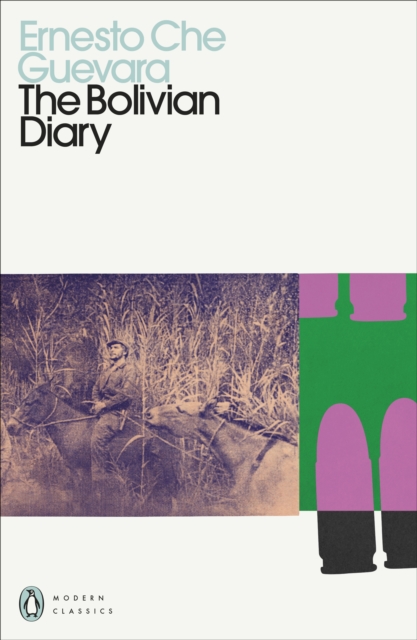
An extraordinary selection of the letters of Che Guevara'Always be capable of feeling deeply any injustice committed against anyone, anywhere in the world'Che Guevara was an inveterate letter writer and diarist throughout his short but extraordinary life.
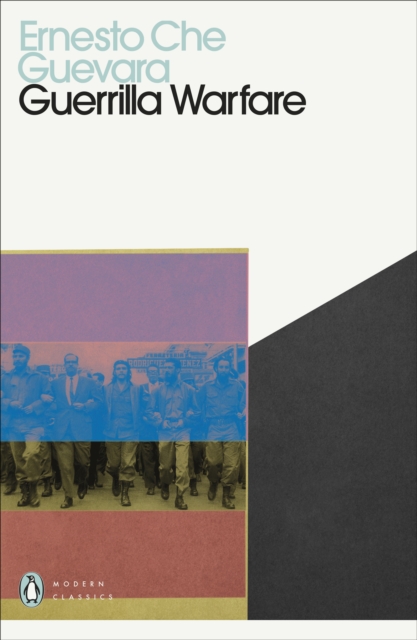
'Guerrilla warfare is a war of the masses, a war of the people'First published in 1961, following the successful Cuban Revolution, this is Che Guevara's handbook for guerrilla war.
Two of the UK's leading economists call for an end to extreme individualism as the engine of prosperity 'provocative but thought-provoking and nuanced' TelegraphThroughout history, successful societies have created institutions which channel both competition and co-operation to achieve complex goals of general benefit.
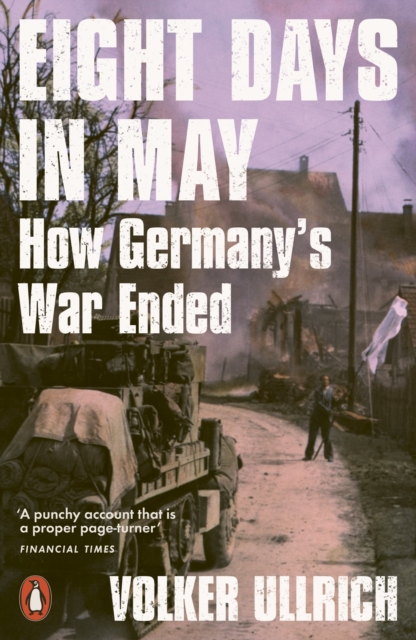
'Superb' David Aaronovitch, The Times 'A punchy account that is a proper page-turner' Financial Times 'The last days of the Third Reich have often been told, but seldom with the verve, perception and elegance of Volker Ullrich's rich narrative' Richard Overy, author of The Bombing War 1 May 1945.
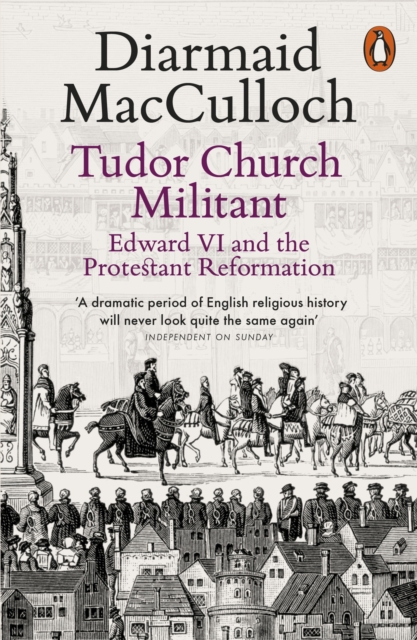
Although the young Edward VI's death in 1553 led to resounding defeat for his Protestant allies, his reign has a significance out of all proportion to its brief six-year span.
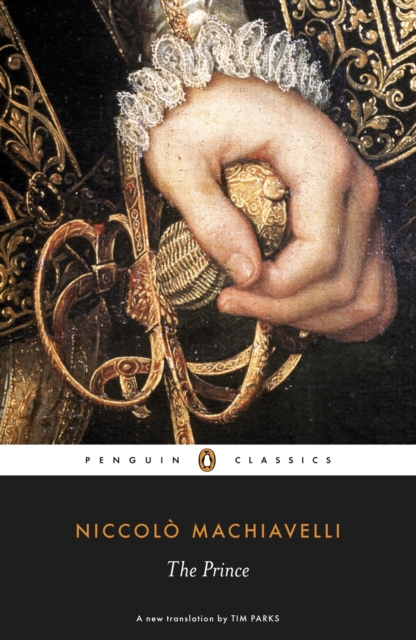
'A gripping work, and a gripping translation' Nicholas Lezard, GuardianNiccol Machiavelli's brutally uncompromising manual of statecraft, The Prince is translated and edited with an introduction by Tim Parks in Penguin Classics As a diplomat in turbulent fifteenth-century Florence, Niccol Machiavelli knew how quickly political fortunes could rise and fall.
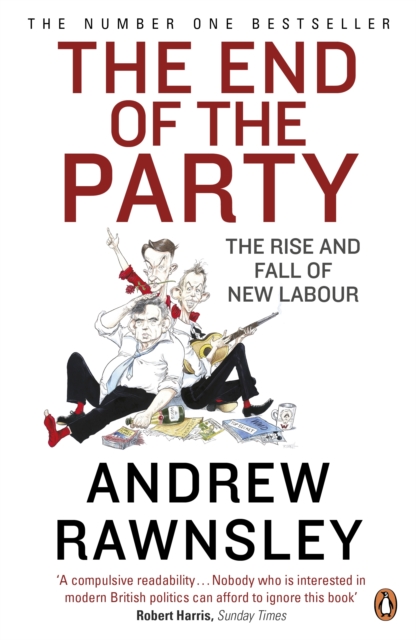
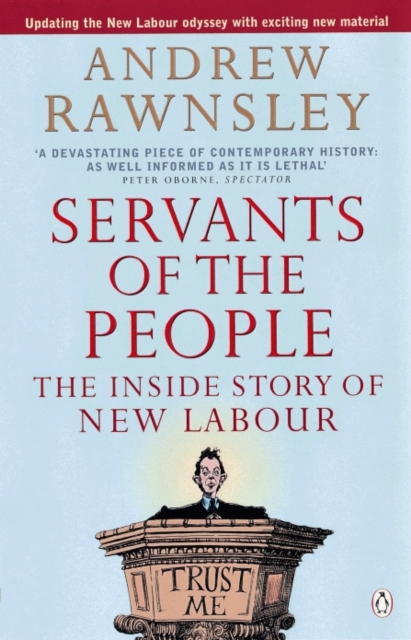
Andrew Rawnsley's bestselling book lifts the lid on the second half of New Labour's spell in office, with riveting inside accounts of all the key events from 9/11 and the Iraq War to the financial crisis and the parliamentary expenses scandal; and entertaining portraits of the main players as Rawnsley takes us through the triumphs and tribulations of New Labour as well as the astonishing feuds and reconciliations between Tony Blair, Gordon Brown and Peter Mandelson.
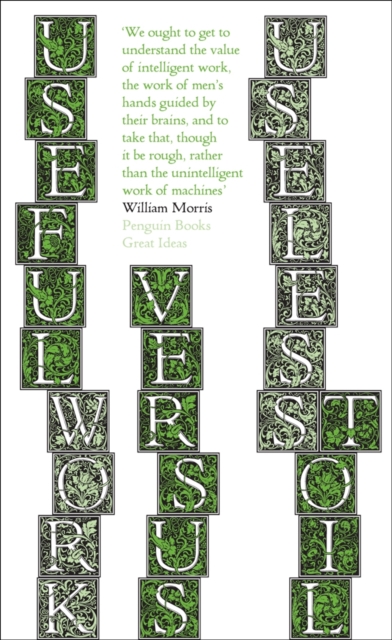
Visionary English Socialist and pioneer of the Arts and Crafts movement, William Morris argued that all work should be a source of pride and satisfaction, and that everyone should be entitled to beautiful surroundings no matter what their class.
First published in 1972 under the title TOTAL WAR, THE PENGUIN HISTORY OF THE SECOND WORLD WAR was designed by its authors to show a rising generation why the Second World War happened and how it was conducted.
The Origin of the Family, Private Property and the State (1884), was a provocative and profoundly influential critique of the Victorian nuclear family.
'A witty and timely debunking of some of the biggest myths surrounding the global economy' - ObserverHa-Joon Chang's 23 Things They Don't Tell You About Capitalism turns received economic wisdom on its head to show you how the world really works.
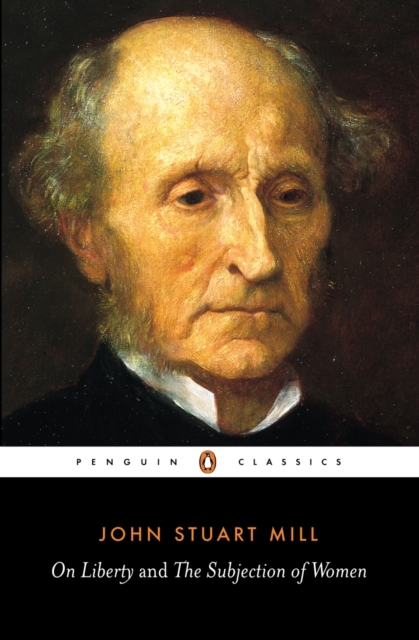
A prodigiously brilliant thinker who sharply challenged the beliefs of his age, the political and social radical John Stuart Mill was the most influential English-speaking philosopher of the nineteenth century.
Vladimir Lenin created this hugely significant Marxist text to explain fully the inevitable flaws and destructive power of Capitalism: that it would lead unavoidably to imperialism, monopolies and colonialism.
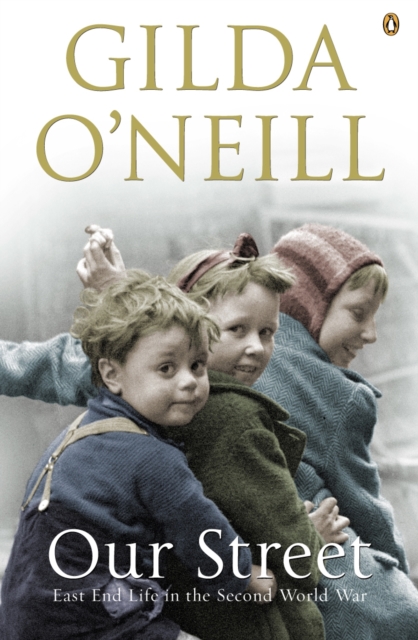
Step into the everyday lives of East End Londoners during the Second World War 'I wanted to write about a time and a place when living in such a street - or rather a community - would have been part of so-called ordinary working people's everyday experience, but when the circumstances couldn't exactly be described as normal.
'We shall live at last as free men on our own soil, and die peacefully in our own homes'Theodor Herzl's passionate advocacy of the founding of a Jewish state grew out of his conviction that Jews would never be assimilated into the populations in which they lived.
Written during Karl Marx's brilliant career as a polemical journalist, these blazing pieces tackle subjects ranging from the strikes of angry British workers to insurrection in Europe, from the American Civil War to the misery of colonial rule in India, demonstrating the radical spirit and outrage at social injustice that would make him one of the most influential political philosophers of all time.
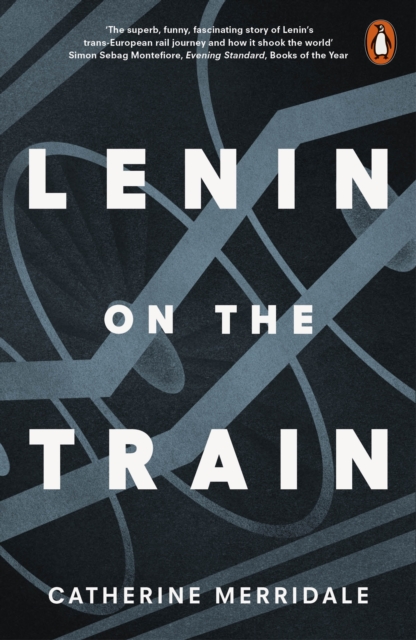
In July 1917, when the Provisional Government issued a warrant for his arrest, Lenin fled from Petrograd; later that year, the October Revolution swept him to supreme power.
Poet, pattern-designer, environmentalist and maker of fine books, William Morris (1834-96) was also a committed socialist and visionary writer, obsessively concerned with the struggle to achieve a perfect society on earth.
A NEW YORK TIMES BESTSELLERWINNER OF THE DUKE OF WELLINGTON MEDAL FOR MILITARY HISTORYSHORTLISTED FOR THE GILDER LEHRMAN PRIZE FOR MILITARY HISTORY'A masterpiece.
SHORTLISTED FOR THE MARK LYNTON HISTORY PRIZE 2020A DAILY TELEGRAPH BOOK OF THE YEAR 2019A revelatory new biography of Adolf Hitler from the acclaimed historian Brendan SimmsAdolf Hitler is one of the most studied men in history, and yet the most important things we think we know about him are wrong.
Ian Kershaw's HITLER allows us to come closer than ever before to a serious understanding of the man and of the catastrophic sequence of events which allowed a bizarre misfit to climb from a Viennese dosshouse to leadership of one of Europe's most sophisticated countries.
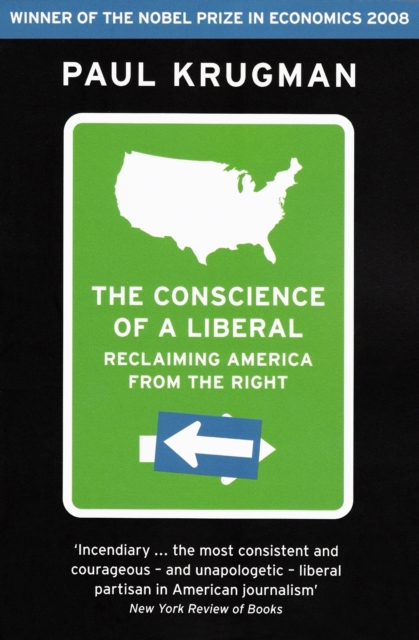
In The Conscience of a Liberal Paul Krugman, one of the US s most respected economists and outspoken commentators, lays out his vision of a New Deal for a fairer society.
The powerful, disturbing history of Nazi Europe by Mark Mazower, one of Britain's leading historians and bestselling author of Dark Continent and Governing the World Hitler's Empire charts the landscape of the Nazi imperial imagination - from those economists who dreamed of turning Europe into a huge market for German business, to Hitler's own plans for new transcontinental motorways passing over the ethnically cleansed Russian steppe, and earnest internal SS discussions of political theory, dictatorship and the rule of law.