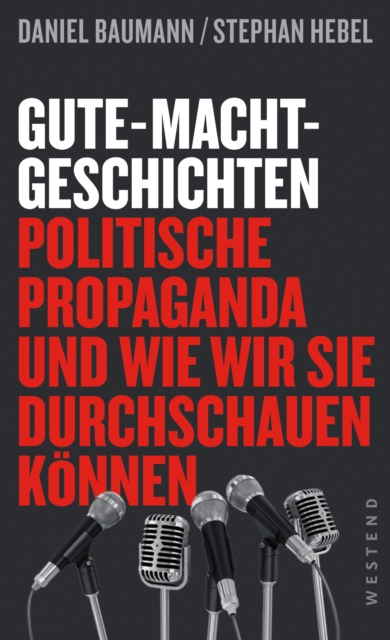
"Eine beängstigende Lektüre" -Johanna Adorján FASUnter dem Deckmantel der Terrorismusbekämpfung führt die US-Regierung einen Krieg, der in keinem Verhältnis mehr zur tatsächlichen Bedrohung durch terroristische Organisationen steht.
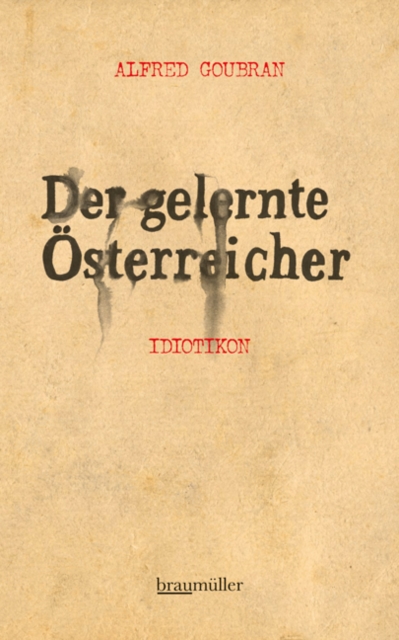
So werden wir durch Sprache manipuliertDeutschland muss "fit für die Zukunft" gemacht, die "Wettbewerbsfähigkeit" gesteigert werden - das ist "alternativlos"!
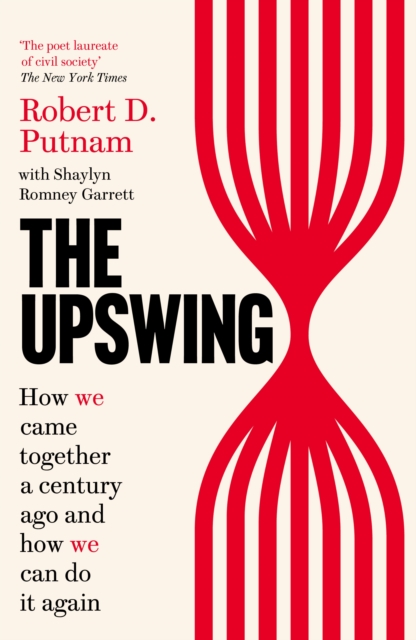
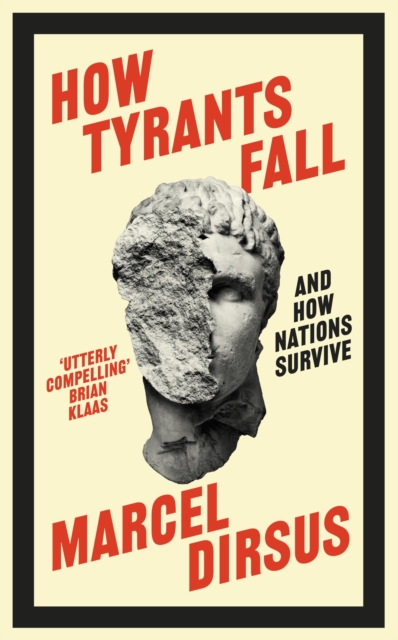
AN ECONOMIST BEST BOOK OF 2024'Thought-provoking, vivid and often entertaining' DAILY TELEGRAPH'Compelling' FINANCIAL TIMES'Thought-provoking' THE ECONOMIST'Gripping .
La ola de restauración democrática que avanzó sobre América Latina en la década de 1980 volvió a dar a los partidos políticos el papel protagónico de la actividad política en los países de la región.
La revolución como horizonte que quedó atrás, el actual populismo, los violentos años setenta, las derechas políticas, el papel del intelectual y lo religioso, son algunas de las cuestiones que Nicolás Casullo analiza en este volumen.
"Todo intento de reconstrucción histórica parte de las necesidades, las dudas y los interrogantes del presente", escribe Luis Alberto Romero en su Breve historia contemporánea de la Argentina.
Este texto tiene, sin duda, aspectos académicos, porque Ottone y Walker son intelectuales y formadores universitarios: en la conversación aparecen libros, autores y citas que ninguna persona que intente comprender el complejo mundo de hoy debería pasar por alto.
En octubre de 1978, la conducción de Montoneros decidió iniciar la llamada Contraofensiva Estratégica frente al temor de que la organización armada dejara de representar una alternativa política para la sociedad argentina, luego de dos años de exilio orgánico y represión dictatorial.
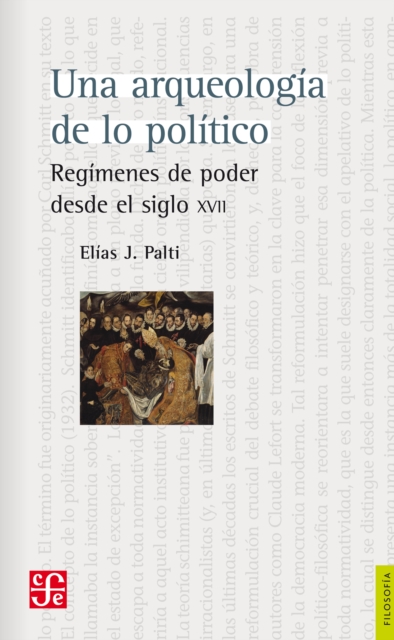
Un mundo libre, globalizado, sin izquierda ni derecha, sin enemigos; una democracia absoluta, cosmopolita, libre de conflictos partisanos: tal es la optimista visión pospolítica difundida en la mayoría de las sociedades occidentales.
A NEW YORK TIMESBESTSELLERFormer Republican political operative Tim Miller answers the question no one else has fully grappled with: Why did normal people go along with the worst of Trumpism?
*Shortlisted for the 2024 Wolfson History Prize*'Gripping and profoundly moving' DAMON GALGUT'Deft and operatic' OBSERVERFrom one of South Africa's foremost nonfiction writers, a deeply researched, shattering new account of Nelson Mandela's relationship with Winnie Madikizela-Mandela.
Die Diplom-Arbeit, die 1990 an der Universität Mannheim eingereicht wurde, zeichnet der Fall der Mauer aufgrund der Ausgaben der Frankfurter Rundschau, der Frankfurter Allgemeinen Zeitung und des Neuen Deutschlands des Jahres 19898 nach.
A comprehensive intellectual history of the idea of the WestHow did ';the West' come to be used as a collective self-designation signaling political and cultural commonality?
Este libro rompedor revisa, a contracorriente de la opinión establecida, lo que se creía saber de las primeras civilizaciones en la llanura aluvial mesopotámica y en otros lugares.
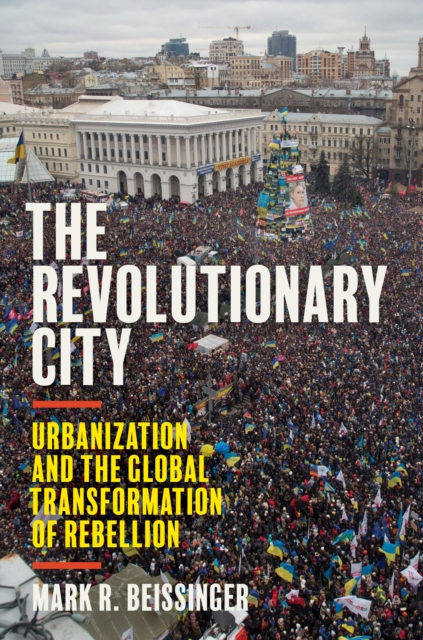
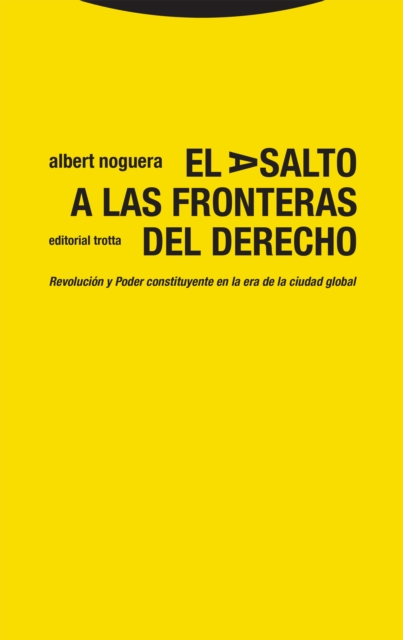
How and why cities have become the predominant sites for revolutionary upheavals in the contemporary worldExamining the changing character of revolution around the world, The Revolutionary City focuses on the impact that the concentration of people, power, and wealth in cities exercises on revolutionary processes and outcomes.
It covers the history of the formation and progression of political theories, beginning with its emergence among the Greeks in the time of their ancient civilization, tracing its influence among the Romans and in the Middle Ages, and examining it in the era of the scientific renaissance and religious reform.
Tannenbaum/McGinnis' INVENTORS OF IDEAS: INTRODUCTION TO POLITICAL THOUGHT, 4th Edition, introduces you to the works of key figures in the history of political thought -- highlighting their context in history while also shedding light on current political questions.
"Según Aristóteles, la justicia es una virtud que se pone en práctica en relación con otros y John Rawls en A theory of justice nos recuerda que ella es la primera virtud de las instituciones sociales.
FDP-Nationalrat Andri Silberschmidt betrachtet den eidgenössischen Parlamentsbetrieb sehr selbstkritisch: Die grossen Herausforderungen werden verdrängt, zu 80 Prozent wird Paragrafenreiterei betrieben.
Why we should take Bernard Mandeville seriously as a philosopherBernard Mandeville's The Fable of the Bees outraged its eighteenth-century audience by proclaiming that private vices lead to public prosperity.
" L'idée de sanction vient se fondre dans l'idée plus morale de 'coopération' ; celui qui fait le bien universel travaille à une œuvre si grande qu'il a idéalement droit au concours de tous les êtres, membres du même tout, depuis la première monère jusqu'à la cellule cérébrale de l'organisme le plus élevé.
¡Qué país maravilloso es el México de los discursos y los informes, de las leyes, las cifras, las comisiones, los convenios internacionales y la publicidad!
Para poder unir al país con una sola propuesta en contra de la dictadura, se propone el modelo federal, que divide en nueve departamentos el poder político.
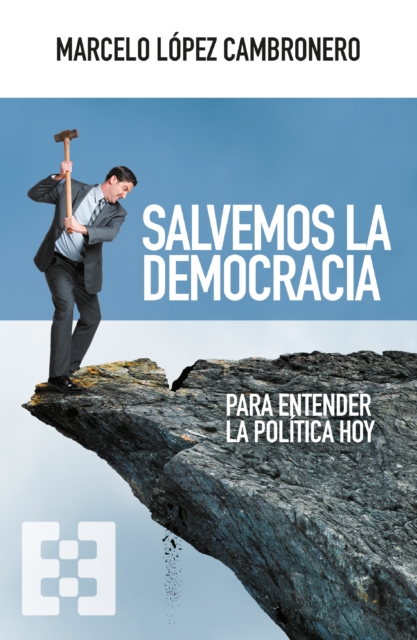
Este nuevo ensayo de Marcelo López Cambronero arranca con una poderosa provocación: los esquemas de comprensión de la democracia heredados del periodo posterior a la Segunda Guerra Mundial, cuando el mundo se organizó en un posmarxismo que llevó a la construcción del Estado del Bienestar, no sirven ya para explicar unos sistemas políticos sacudidos por la revolución cultural nihilista, la evolución tecnológica y el incremento desmedido de las capacidades de control.
Este nuevo ensayo de Marcelo López Cambronero arranca con una poderosa provocación: los esquemas de comprensión de la democracia heredados del periodo posterior a la Segunda Guerra Mundial, cuando el mundo se organizó en un posmarxismo que llevó a la construcción del Estado del Bienestar, no sirven ya para explicar unos sistemas políticos sacudidos por la revolución cultural nihilista, la evolución tecnológica y el incremento desmedido de las capacidades de control.