In this sophisticated theoretical work, Masaru Kohno presents a systematic reexamination of the evolution of party politics in Japan since the end of the second World War.
How policies forged after September 11 were weaponized under Trump and turned on American democracy itselfIn the wake of the September 11 terror attacks, the American government implemented a wave of overt policies to fight the nation's enemies.
Focusing on the Western philosophical tradition and the work of contemporary feminists, Jean Elshtain explores the general tendency to assert the primacy of the public world-the political sphere dominated by men-and to denigrate the private world-the familial sphere dominated by women.
Solving the global climate crisis through local partnerships and experimentationGlobal climate diplomacy-from the Kyoto Protocol to the Paris Agreement-is not working.
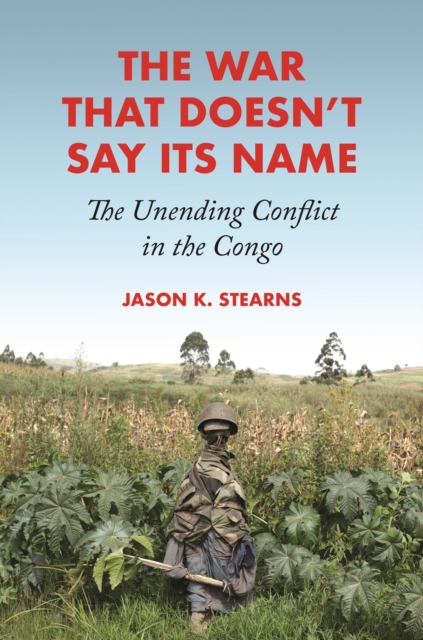
Why violence in the Congo has continued despite decades of international intervention Well into its third decade, the military conflict in the Democratic Republic of the Congo has been dubbed a "e;forever war"e;-a perpetual cycle of war, civil unrest, and local feuds over power and identity.
How international relations theory can be applied to a zombie invasionWhat would happen to international politics if the dead rose from the grave and started to eat the living?
A riveting account of espionage for the digital age, from one of America's leading intelligence expertsSpying has never been more ubiquitous-or less understood.
How remittances-money sent by workers back to their home countries-support democratic expansionIn the growing body of work on democracy, little attention has been paid to its links with migration.
From one of the leading policy experts of our time, an urgent rethinking of how we can better support each other to thriveWhether we realize it or not, all of us participate in the social contract every day through mutual obligations among our family, community, place of work, and fellow citizens.
Prescient essays about the state of our politics from the philosopher who predicted that a populist demagogue would become president of the United StatesRichard Rorty, one of the most influential intellectuals of recent decades, is perhaps best known today as the philosopher who, almost two decades before the 2016 U.
From one of our finest writers and leading environmental thinkers, a powerful book about how the land we share divides us-and how it could unite usToday, we are at a turning point as we face ecological and political crises that are rooted in conflicts over the land itself.
How the Chinese Communist Party maintains its power by both repressing and responding to its peopleSince 1949, the Chinese Communist Party (CCP) has maintained unrivaled control over the country, persisting even in the face of economic calamity, widespread social upheaval, and violence against its own people.
How nonstate military strategies overturn traditional perspectives on warfareSince September 11th, 2001, armed nonstate actors have received increased attention and discussion from scholars, policymakers, and the military.
Political scientists often ask themselves what might have been if history had unfolded differently: if Stalin had been ousted as General Party Secretary or if the United States had not dropped the bomb on Japan.
A clear and comprehensive framework for bridging the widening gap between theorists and empiricists in social scienceThe credibility revolution, with its emphasis on empirical methods for causal inference, has led to concerns among scholars that the canonical questions about politics and society are being neglected because they are no longer deemed answerable.
A groundbreaking logic-based approach to bridging the scientific-constructivist divide in social scienceThe Logic of Social Science offers new principles for designing and conducting social science research.
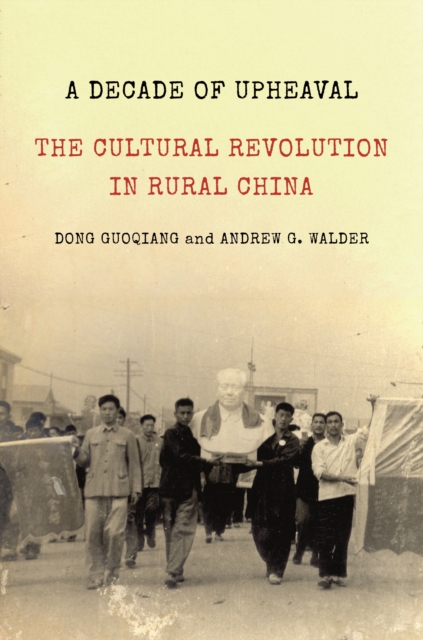
A revealing exploration of political disruption and violence in a rural Chinese county during the Cultural RevolutionA Decade of Upheaval chronicles the surprising and dramatic political conflicts of a rural Chinese county over the course of the Cultural Revolution.
Until now political scientists have devoted little attention to the origins of American bureaucracy and the relationship between bureaucratic and interest group politics.
The present international system, composed for the most part of sovereign, territorial states, is often viewed as the inevitable outcome of historical development.
An authoritative introduction to ISIS-now expanded and revised to bring events up to the presentThe Islamic State stunned the world with its savagery, destructiveness, and military and recruiting successes.
A new edition of the classic work on the economic tools of foreign policyToday's complex and dangerous world demands a complete understanding of all the techniques of statecraft, not just military ones.
How differing forms of repression shape the outcomes of democratic transitionsIn the wake of the Arab Spring, newly empowered factions in Tunisia and Egypt vowed to work together to establish democracy.
From acclaimed political scientist Diana Mutz, a revealing look at why people's attitudes on trade differ from their own self-interestWinners and Losers challenges conventional wisdom about how American citizens form opinions on international trade.
A multifaceted portrait of the Hiroshima bombing and its many legaciesOn August 6, 1945, in the waning days of World War II, the United States dropped an atomic bomb on the Japanese city of Hiroshima.
An authoritative collection of the most important writings of an influential political thinkerSheldon Wolin was one of the most influential and original political thinkers of the past fifty years.
An examination of the intertwined lives and writings of a group of prominent twentieth-century Jewish thinkers who experienced exile and migrationExile, Statelessness, and Migration explores the intertwined lives, careers, and writings of a group of prominent Jewish intellectuals during the mid-twentieth century-in particular, Theodor Adorno, Hannah Arendt, Walter Benjamin, Isaiah Berlin, Albert Hirschman, and Judith Shklar, as well as Hans Kelsen, Emmanuel Levinas, Gershom Scholem, and Leo Strauss.
On the fortieth anniversary of the Camp David Accords, a groundbreaking new history that shows how Egyptian-Israeli peace ensured lasting Palestinian statelessnessFor seventy years Israel has existed as a state, and for forty years it has honored a peace treaty with Egypt that is widely viewed as a triumph of U.
A riveting account of espionage for the digital age, from one of America's leading intelligence expertsSpying has never been more ubiquitous-or less understood.
In this sophisticated theoretical work, Masaru Kohno presents a systematic reexamination of the evolution of party politics in Japan since the end of the second World War.
How constructions of time shape political beliefs about what is possible—and what is inevitable To secure power in a crisis, leaders must sell deep change as a means to future good.
1919 saw the publication of two major polemical works: The Economic Consequences of the Peace by John Maynard Keynes and Democratic Ideals and Reality by Halford J.
Democracy establishes relationships of political equality, ones in which citizens equally share authority over what they do together and respect one another as equals.
An examination of the intertwined lives and writings of a group of prominent twentieth-century Jewish thinkers who experienced exile and migrationExile, Statelessness, and Migration explores the intertwined lives, careers, and writings of a group of prominent Jewish intellectuals during the mid-twentieth century-in particular, Theodor Adorno, Hannah Arendt, Walter Benjamin, Isaiah Berlin, Albert Hirschman, and Judith Shklar, as well as Hans Kelsen, Emmanuel Levinas, Gershom Scholem, and Leo Strauss.
Why government outsourcing of public powers is making us less freeMany governmental functions today-from the management of prisons and welfare offices to warfare and financial regulation-are outsourced to private entities.
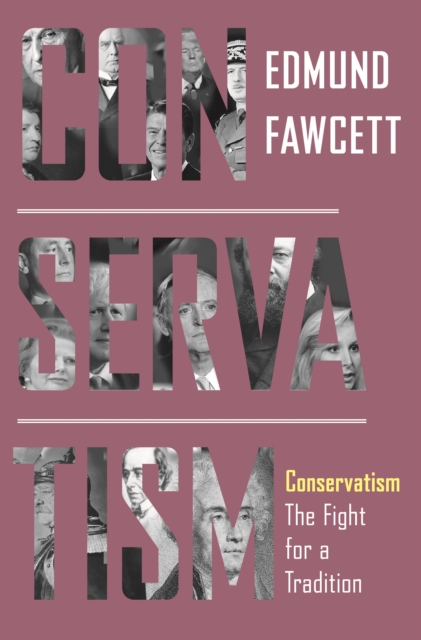
A fresh and sharp-eyed history of political conservatism from its nineteenth-century origins to today's hard RightFor two hundred years, conservatism has defied its reputation as a backward-looking creed by confronting and adapting to liberal modernity.
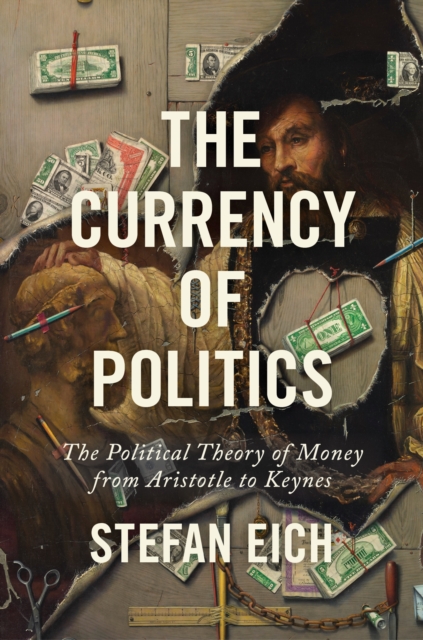
Money in the history of political thought, from ancient Greece to the Great Inflation of the 1970sIn the wake of the 2008 financial crisis, critical attention has shifted from the economy to the most fundamental feature of all market economiesmoney.
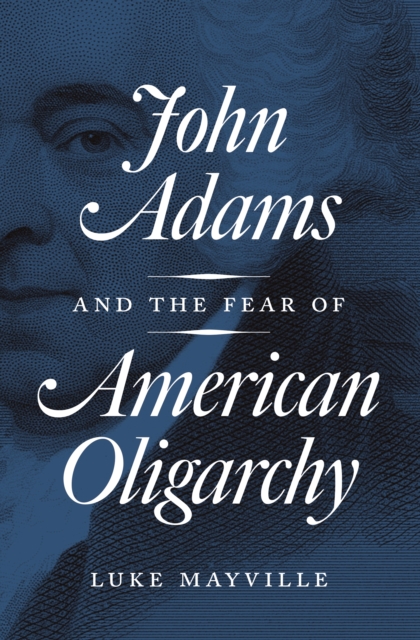
Why American founding father John Adams feared the political power of the rich-and how his ideas illuminate today's debates about inequality and its consequencesLong before the "e;one percent"e; became a protest slogan, American founding father John Adams feared the power of a class he called simply "e;the few"e;-the wellborn, the beautiful, and especially the rich.