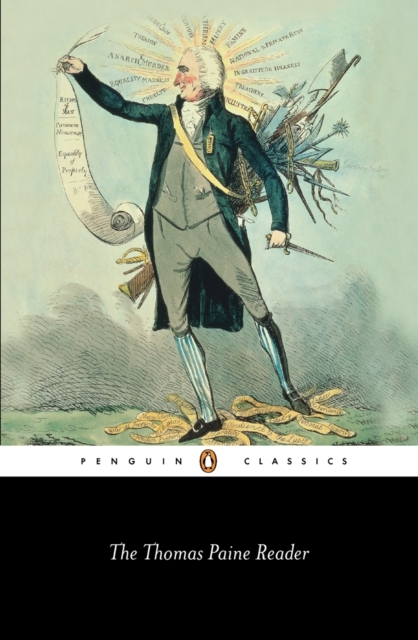
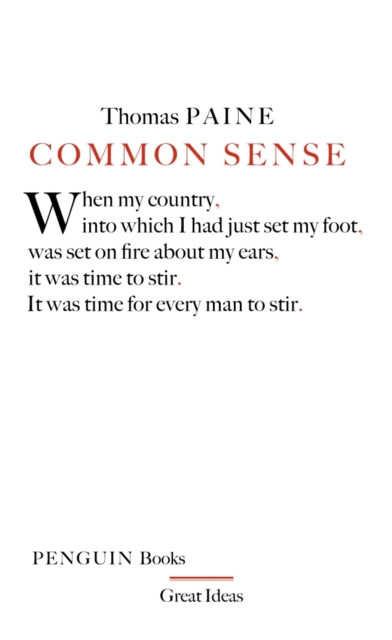
This major collection demonstrates the extent to which Thomas Paine (1737-1809) was an inspiration to the Americans in their struggle for independence, a passionate supporter of the French Revolution and perhaps the outstanding English radical writer of his age.
This ambitious book sets out to reinterpret the history of the twentieth century as a long war in which conditions of outright military confrontation or of frantic "e;cold"e; competition lasted from the outbreak of the first world war until the collapseof the Soviet Union.
Jeremy Paxman knows every maneouvre a politician will make to avoid answering a difficult question, but here he seeks an answer to just one: What makes politicians tick?
Writing at the time of Napoleon's greatest campaigns, Prussian soldier and writer Carl von Clausewitz created this landmark treatise on the art of warfare, which presented war as part of a coherent system of political thought.
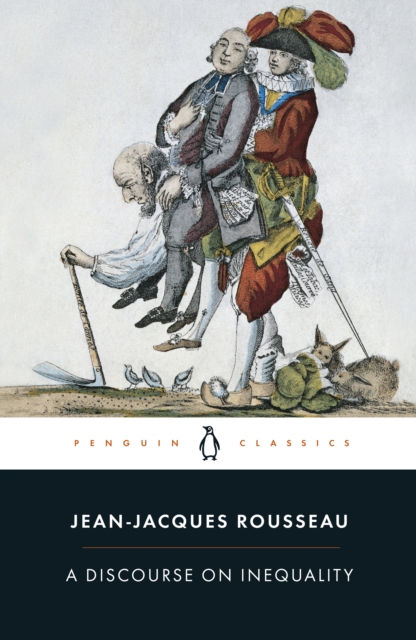
In A Discourse on Inequality Rousseau sets out to demonstrate how the growth of civilization corrupts man s natural happiness and freedom by creating artificial inequalities of wealth, power and social privilege.
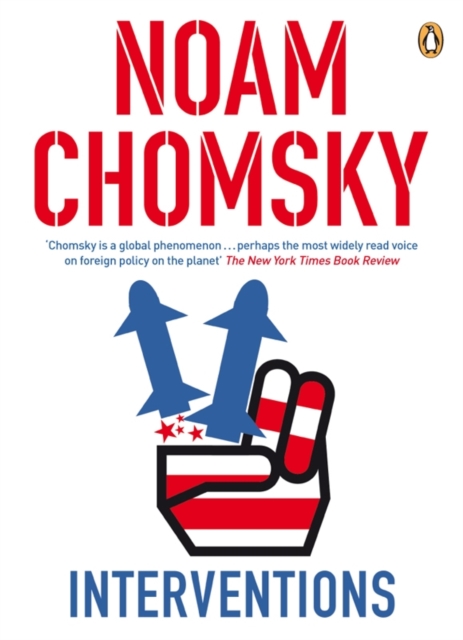
At a time when the United States exacts a greater and greater power over the rest of the world, America's leading voice of dissent needs to be heard more than ever.
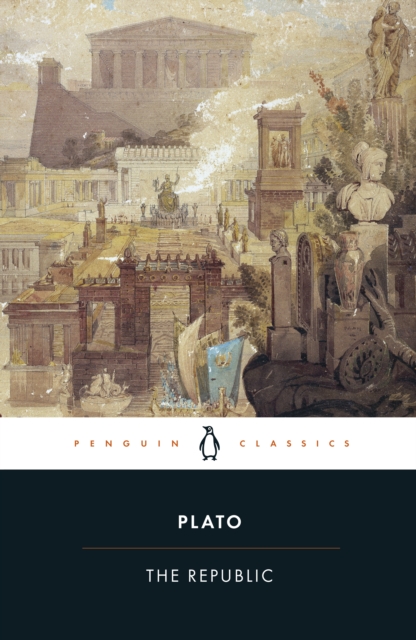
The classic translation of the cornerstone work of western philosophyPlato's Republic is widely acknowledged as one of the most influential works in the history of philosophy.
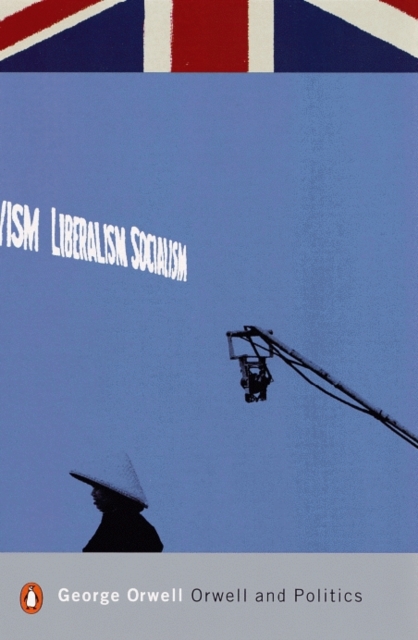
Including Animal Farm'Orwell is the most influential political writer of the twentieth century' New York Review of BooksThroughout his life George Orwell aimed, in his words, to make 'political writing into an art'.
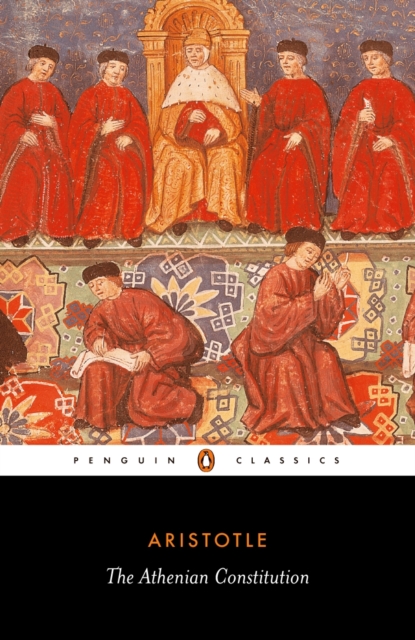
Probably written by a student of Aristotle, The Athenian Constitution is both a history and an analysis of Athens' political machinery between the seventh and fourth centuries BC, which stands as a model of democracy at a time when city-states lived under differing kinds of government.
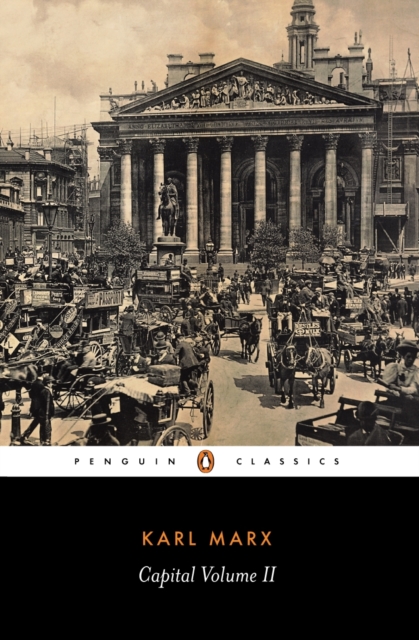
The "e;forgotten"e; second volume of Capital, Marx's world-shaking analysis of economics, politics, and history, contains the vital discussion of commodity, the cornerstone to Marx's theories.
The world may be more riven by murderous violence than ever before, yet Nobel Laureate Amartya Sen argues in this sweeping philosophical work that its brutalities are driven as much by confusion as by inescapable hatred.
Written at a time when furious arguments were raging about the best way to govern America, The Federalist Papers had the immediate pratical aim of persuading New Yorkers to accept the newly drafted Constitution in 1787.
Unfinished at the time of Marx's death in 1883 and first published with a preface by Frederick Engels in 1894, the third volume of Das Kapital strove to combine the theories and concepts of the two previous volumes in order to prove conclusively that capitalism is inherently unworkable as a permanent system for society.
What changes in China's modern military policy reveal about military organizations and strategySince the 1949 Communist Revolution, China has devised nine different military strategies, which the People's Liberation Army (PLA) calls "e;strategic guidelines.
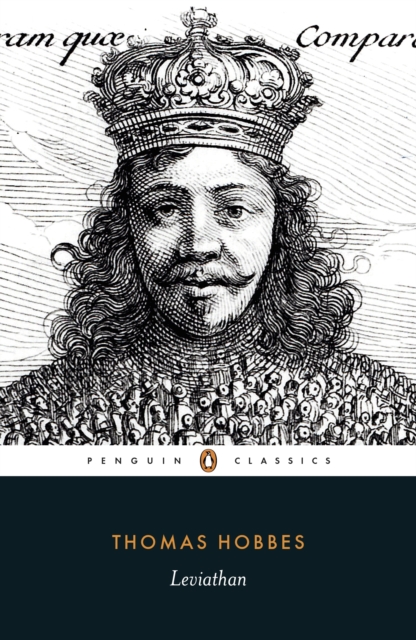
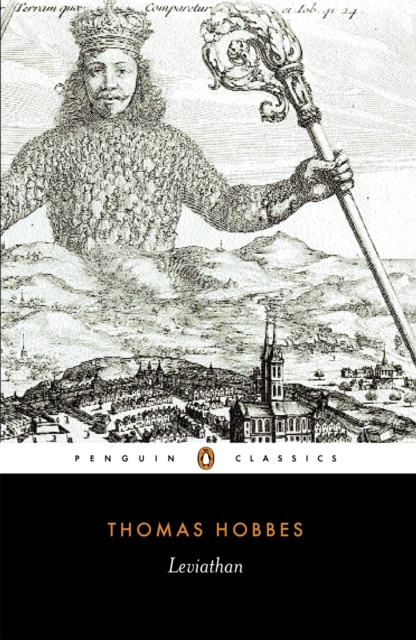
'The life of man, solitary, poore, nasty, brutish, and short' Written during the chaos of the English Civil War, Thomas Hobbes' Leviathan asks how, in a world of violence and horror, can we stop ourselves from descending into anarchy?
An exploration of the ways that shifting relations between materiality and language bring about different forms of politics in TehranIn Revolution of Things, Kusha Sefat traces a dynamism between materiality and language that sheds light on how the merger of the two permeates politics.
The case for an eco-emancipatory politics to release the Earth from human domination and free us all from lives that are both exploitative and exploitedHuman domination of nature shapes every aspect of our lives today, even as it remains virtually invisible to us.
The untold story of the founding father's likely Jewish birth and upbringing-and its revolutionary consequences for understanding him and the nation he fought to create In The Jewish World of Alexander Hamilton, Andrew Porwancher debunks a string of myths about the origins of this founding father to arrive at a startling conclusion: Hamilton, in all likelihood, was born and raised Jewish.
Solving the global climate crisis through local partnerships and experimentationGlobal climate diplomacy-from the Kyoto Protocol to the Paris Agreement-is not working.
A sweeping history of libertarian thought, from radical anarchists to conservative defenders of the status quoLibertarianism emerged in the mid-nineteenth century with an unwavering commitment to progressive causes, from women's rights and the fight against slavery to anti-colonialism and Irish emancipation.
A trenchant defense of hierarchy in different spheres of our lives, from the personal to the politicalAll complex and large-scale societies are organized along certain hierarchies, but the concept of hierarchy has become almost taboo in the modern world.
How four revolutionary ideas from the Enlightenment shaped today's worldThis panoramic book tells the story of how revolutionary ideas from the Enlightenment about freedom, equality, evolution, and democracy have reverberated through modern history and shaped the world as we know it today.
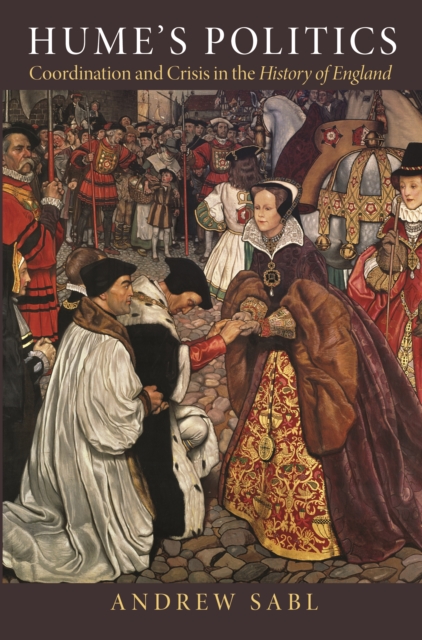
Hume's Politics provides a comprehensive examination of David Hume's political theory, and is the first book to focus on Hume's monumental History of England as the key to his distinctly political ideas.
The past thirty years have seen a surge of empirical research into political decision making and the influence of framing effects--the phenomenon that occurs when different but equivalent presentations of a decision problem elicit different judgments or preferences.
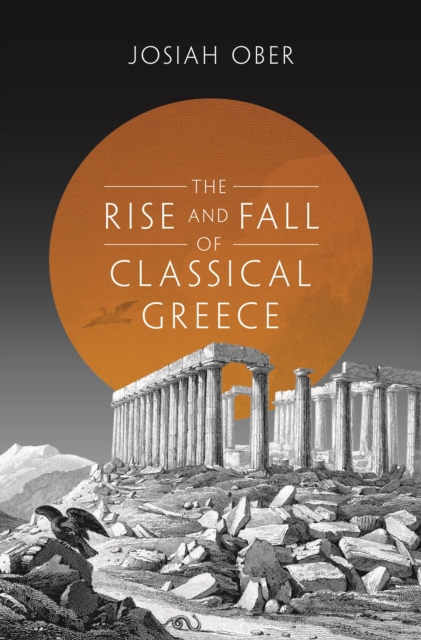
A major new history of classical Greece-how it rose, how it fell, and what we can learn from itLord Byron described Greece as great, fallen, and immortal, a characterization more apt than he knew.
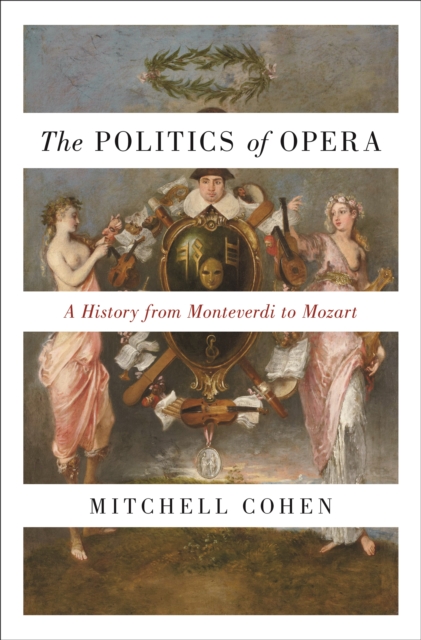
A wide-ranging look at the interplay of opera and political ideas through the centuriesThe Politics of Opera takes readers on a fascinating journey into the entwined development of opera and politics, from the Renaissance through the turn of the nineteenth century.
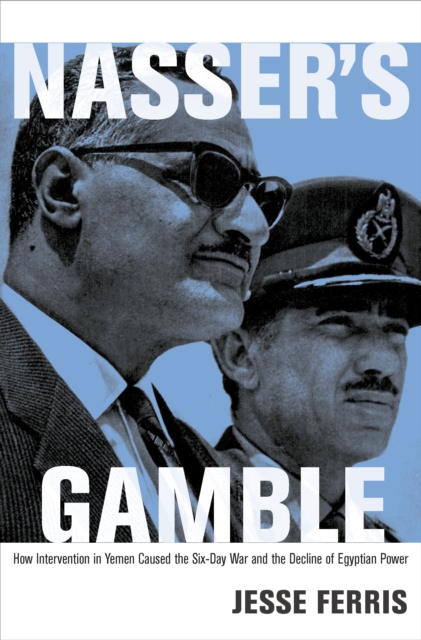
Nasser's Gamble draws on declassified documents from six countries and original material in Arabic, German, Hebrew, and Russian to present a new understanding of Egypt's disastrous five-year intervention in Yemen, which Egyptian president Gamal Abdel Nasser later referred to as "e;my Vietnam.