Europe's long sixteenth century-a period spanning the years roughly from the voyages of Columbus in the 1490s to the English Civil War in the 1640s-was an era of power struggles between avaricious and unscrupulous princes, inquisitions and torture chambers, and religious differences of ever more violent fervor.
How propaganda undermines democracy and why we need to pay attentionOur democracy today is fraught with political campaigns, lobbyists, liberal media, and Fox News commentators, all using language to influence the way we think and reason about public issues.
A Nobel Prizewinning economist makes a new argument about the real roots of prosperityand why they are under threat todayIn this book, Nobel Prize-winning economist Edmund Phelps draws on a lifetime of thinking to make a sweeping new argument about what makes nations prosperand why the sources of that prosperity are under threat today.
This book reconsiders the dominant Western understandings of freedom through the lens of women's real-life experiences of domestic violence, welfare, and Islamic veiling.
Why equality cannot be conditional on a shared human ';nature' but has to be for allFor centuries, ringing declarations about all men being created equal appealed to a shared human nature as the reason to consider ourselves equals.
From acclaimed political scientist Diana Mutz, a revealing look at why people's attitudes on trade differ from their own self-interestWinners and Losers challenges conventional wisdom about how American citizens form opinions on international trade.
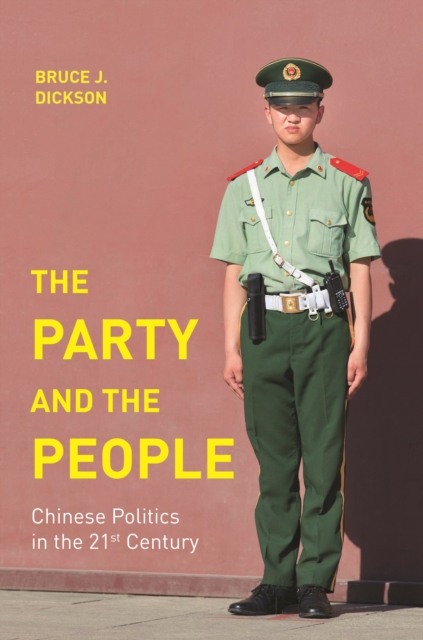
How the Chinese Communist Party maintains its power by both repressing and responding to its peopleSince 1949, the Chinese Communist Party (CCP) has maintained unrivaled control over the country, persisting even in the face of economic calamity, widespread social upheaval, and violence against its own people.
How the history of racism without visible differences between people challenges our understanding of the history of racial thinkingRacial divisions have returned to the forefront of politics in the United States and European societies, making it more important than ever to understand race and racism.
How policies forged after September 11 were weaponized under Trump and turned on American democracy itselfIn the wake of the September 11 terror attacks, the American government implemented a wave of overt policies to fight the nation's enemies.
Why have countries increasingly restricted immigration even when they have opened their markets to foreign competition through trade or allowed their firms to move jobs overseas?
Over the past century, democracy spread around the world in turbulent bursts of change, sweeping across national borders in dramatic cascades of revolution and reform.
The politics and policies that led to America's expansion of the penal system and reduction of welfare programsIn 1970s America, politicians began "e;getting tough"e; on drugs, crime, and welfare.
A collection of insightful and revealing quotations on a wide range of subjects from the father of modern politicsNiccolo Machiavelli (1469-1527) is the father of modern political thought, but he is also one of the greatest writers of the Renaissance and his wisdom and style extend far beyond politics to encompass a compelling philosophy of life as well.
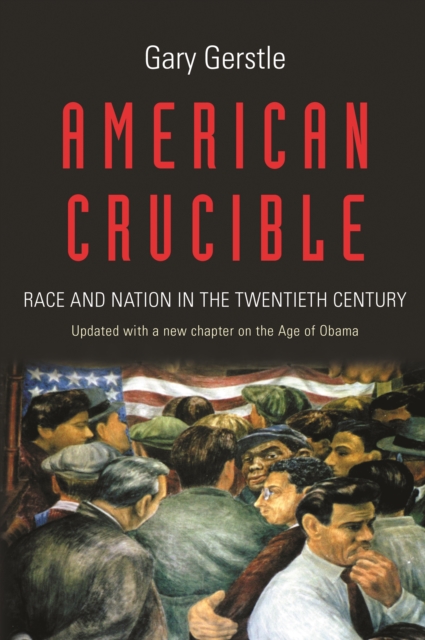
This sweeping history of twentieth-century America follows the changing and often conflicting ideas about the fundamental nature of American society: Is the United States a social melting pot, as our civic creed warrants, or is full citizenship somehow reserved for those who are white and of the "e;right"e; ancestry?
How diversity and difference strengthen democracy and increase prosperityIt is clear that in our society today, issues of diversity and social connectedness remain deeply unresolved and can lead to crisis and instability.
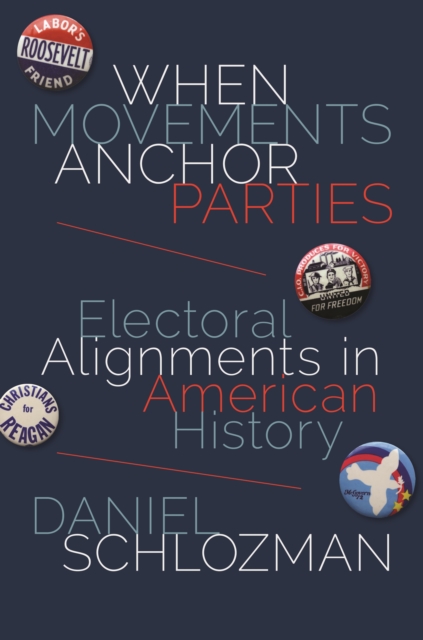
Throughout American history, some social movements, such as organized labor and the Christian Right, have forged influential alliances with political parties, while others, such as the antiwar movement, have not.
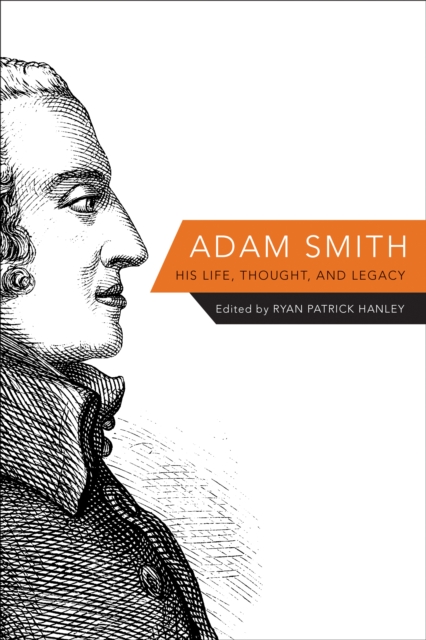
The essential guide to the life, thought, and legacy of Adam SmithAdam Smith (1723-90) is perhaps best known as one of the first champions of the free market and is widely regarded as the founding father of capitalism.
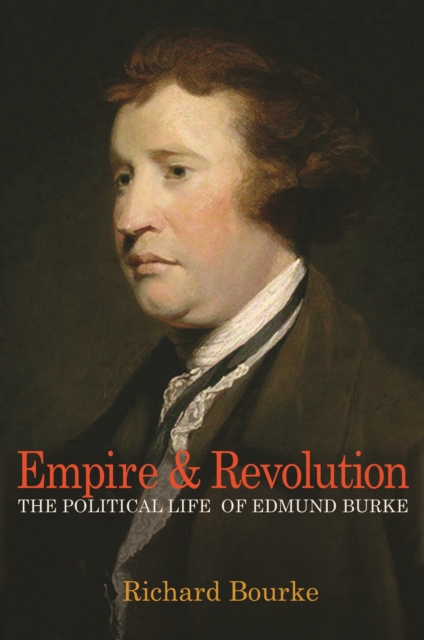
A major new account of one of the leading philosopher-statesmen of the eighteenth centuryEdmund Burke (1730-97) lived during one of the most extraordinary periods of world history.
Why "e;the Muslim question"e; is really about the West and its own anxieties-not IslamIn the post-9/11 West, there is no shortage of strident voices telling us that Islam is a threat to the security, values, way of life, and even existence of the United States and Europe.
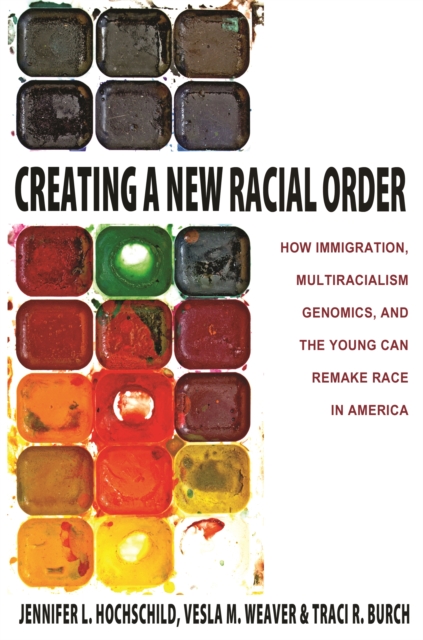
A groundbreaking exploration of how race in America is being redefinedThe American racial order-the beliefs, institutions, and practices that organize relationships among the nation's races and ethnicities-is undergoing its greatest transformation since the 1960s.
Este volumen recoge las actas del XII Congreso Internacional de la Asociación Colombiana de Juristas Católicos, acogido por la Universidad Católica de Colombia, y organizado como siempre por la Unión Internacional de Juristas Católicos (Roma), el Grupo Sectorial en Ciencias Políticas de la Federación Internacional de Universidades Católicas (París) y el Consejo de Estudios Hispánicos Felipe II (Madrid).
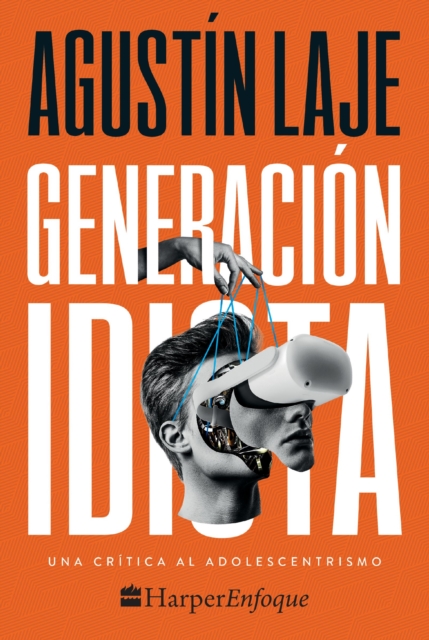
Generación idiota nos ofrece una inmersión profunda en la desaparición de la sociedad intergeneracional y el auge de la mentalidad adolescente, que ha causado un gran daño a la política y a la sociedad.
How to sustain an international system of cooperation in the midst of geopolitical struggleCan the international economic and legal system survive today's fractured geopolitics?
The American political reformer Herbert Croly wrote, "e;For better or worse, democracy cannot be disentangled from an aspiration toward human perfectibility.
Adam Smith was a philosopher before he ever wrote about economics, yet until now there has never been a philosophical commentary on the Wealth of Nations.
Why our workplaces are authoritarian private governments-and why we can't see itOne in four American workers says their workplace is a "e;dictatorship.
On the fortieth anniversary of the Camp David Accords, a groundbreaking new history that shows how Egyptian-Israeli peace ensured lasting Palestinian statelessnessFor seventy years Israel has existed as a state, and for forty years it has honored a peace treaty with Egypt that is widely viewed as a triumph of U.
This book documents and analyses Chilean university and school students' opposition to the Pinochet regime during the latter years of the 1970s and the 1980s.