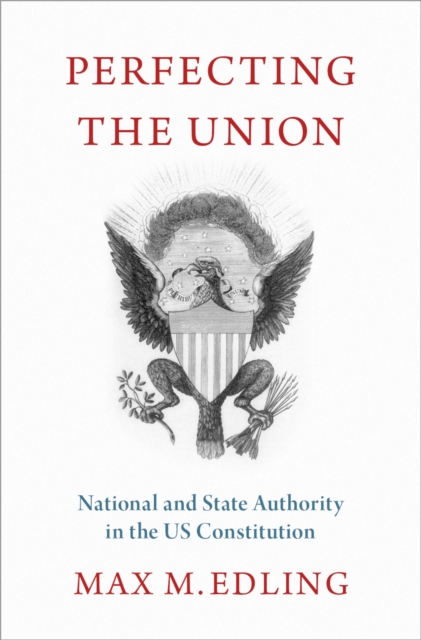
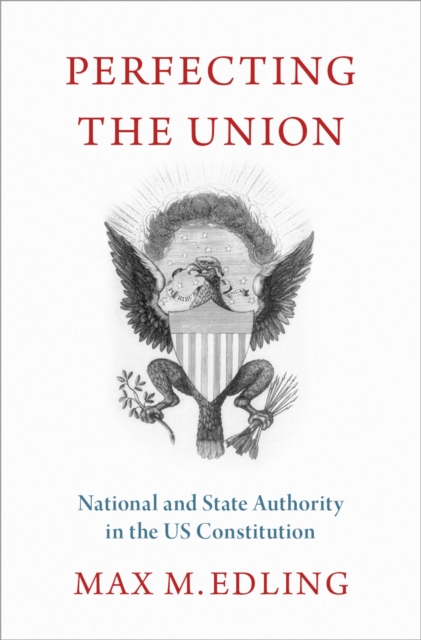
A unique defense of Federalism, making the case that constitutional law in America--encompassing the systems of all 51 governments--should have a role in assessing the right balance of power among all branches of our state and federal governments.
A unique defense of Federalism, making the case that constitutional law in America--encompassing the systems of all 51 governments--should have a role in assessing the right balance of power among all branches of our state and federal governments.
This book offers a new account of the power of federal courts in the United States to hear and determine uncontested applications to assert or register a claim of right.
This book offers a new account of the power of federal courts in the United States to hear and determine uncontested applications to assert or register a claim of right.
For most of the twentieth century, the American founding has been presented as a struggle between social classes over issues arising primarily within, rather than outside, the United States.
For most of the twentieth century, the American founding has been presented as a struggle between social classes over issues arising primarily within, rather than outside, the United States.
Over the last forty years modern constitutional scholarship has concentrated on an analysis of rights, while principles of constitutional law concerning the structure of government have been largely downplayed.
This study of exemplary writings from the debates over the ratification of the 1787 Constitution deals with the American constitutional founders' understandings of citizenship and civic virtue.
In writing the constitution, the Founders combined a Lockean theory of politically legitimate power with the political science they had learned from Machiavelli, Harrington, Hume, and Montesquieu to articulate a new conception of constitutional argument.
The political changes which have occurred in the last three years have been phenomenal--the dissolving of the former Soviet Union, the impending union of Western Europe, and the evolution of democracy in Eastern Europe.
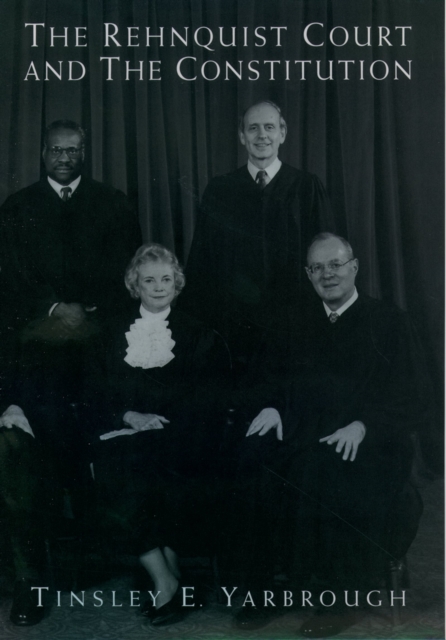
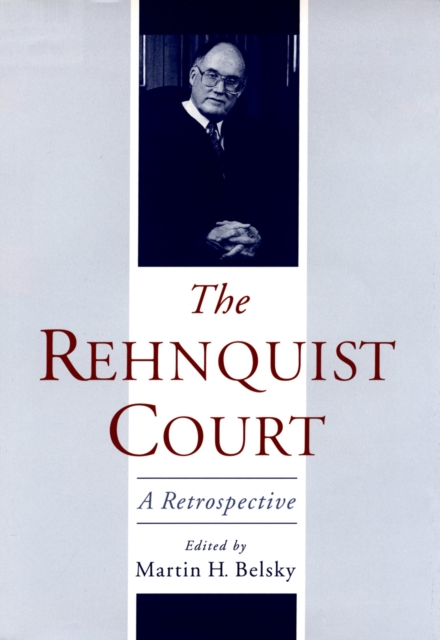
In The Rehnquist Court and the Constitution, Tinsley Yarbrough provides a comprehensive look at today's Supreme Court Justices and their record--a study all the more valuable for the Court's mixed decisions and hard-to-categorize course.
In order to understand Iran's religious revolution of 1978-1979, it is important to look closely at an earlier revolution in the country, the constitutional revolution of 1905-1909.
Constitutionalism under Stress reflects on comparative constitutionalism in Central and Eastern Europe through the work of eminent constitutional scholar Wojciech Sadurski.
Constitutionalism under Stress reflects on comparative constitutionalism in Central and Eastern Europe through the work of eminent constitutional scholar Wojciech Sadurski.
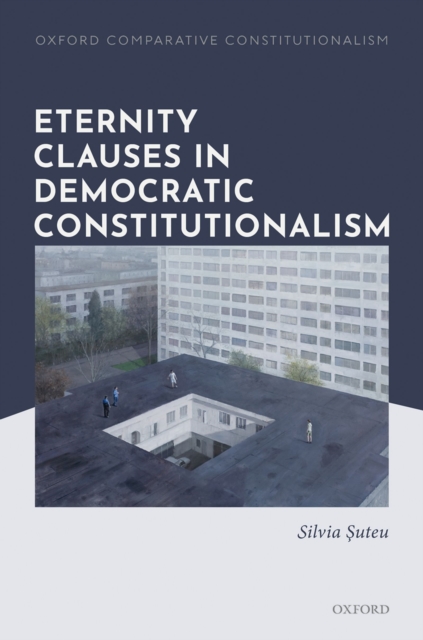
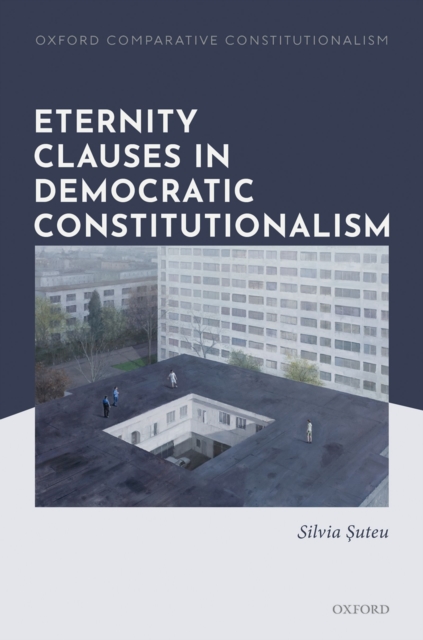
This book analyses unamendability in democratic constitutionalism and engages critically and systematically with its perils, offering a much-needed corrective to existing understandings of this phenomenon.
This book analyses unamendability in democratic constitutionalism and engages critically and systematically with its perils, offering a much-needed corrective to existing understandings of this phenomenon.
This collection of essays assesses the efforts of African governments to constitutionalise decentralisation, be it in the form of federalism, local government or traditional authorities.
This collection of essays surveys the full range of challenges that territorial conflicts pose for constitution-making processes and constitutional design.
This collection of essays surveys the full range of challenges that territorial conflicts pose for constitution-making processes and constitutional design.
The English revolution is one of the most intensely-debated events in history; parallel events in Scotland have never attracted the same degree of interest.
This book explores the extent to which contemporary international law expects states to take into account the interests of others - namely third states or their citizens - when they form and implement their policies, negotiate agreements, and generally conduct their relations with other states.
This book explores the extent to which contemporary international law expects states to take into account the interests of others - namely third states or their citizens - when they form and implement their policies, negotiate agreements, and generally conduct their relations with other states.
This book provides an account and explanation of a fundamental dilemma facing secular states: the 'legitimacy gap' left by the withdrawal of religion as a source of legitimacy.