This Handbook offers a comprehensive treatment of transformations of the state, from its origins in different parts of the world and different time periods to its transformations since World War II in the advanced industrial countries, the post-Communist world, and the Global South.
This Handbook offers a comprehensive treatment of transformations of the state, from its origins in different parts of the world and different time periods to its transformations since World War II in the advanced industrial countries, the post-Communist world, and the Global South.
Since the end of the Second World War and the subsequent success of constitutional judicial review, one particular model of constitutional rights has had remarkable success, first in Europe and now globally.
Since the end of the Second World War and the subsequent success of constitutional judicial review, one particular model of constitutional rights has had remarkable success, first in Europe and now globally.
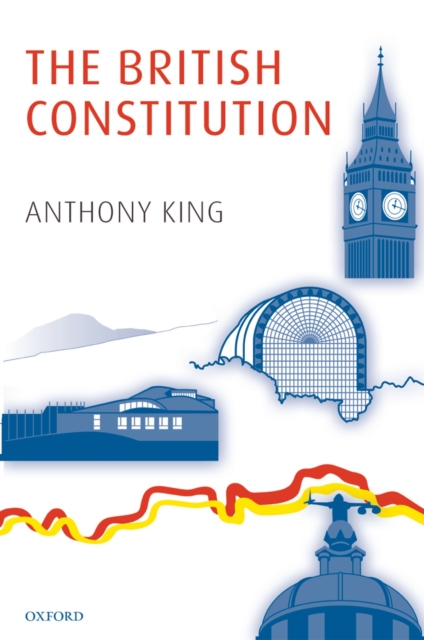
The Magna Carta has long been considered the foundation stone of the British Constitution, yet few people today understand either its contents or its context.
In recent years a series of scandals have challenged the traditional political reliance on public constitutional law and human rights as a safeguard of human well-being.
The use of referendums around the world has grown remarkably in the past thirty years and, in particular, referendums are today deployed more than ever in the settlement of constitutional questions, even in countries with little or no tradition of direct democracy.
The use of referendums around the world has grown remarkably in the past thirty years and, in particular, referendums are today deployed more than ever in the settlement of constitutional questions, even in countries with little or no tradition of direct democracy.
The Origins of the English Parliament is a magisterial account of the evolution of parliament, from its earliest beginnings in the late Anglo-Saxon period.
Although there is no doubt that the constitution has been significantly reformed since the election of New Labour in 1997 the degree to which these reforms have altered the nature of democracy in the United Kingdom remains highly contested.
How should constitutional design respond to the opportunities and challenges raised by ethnic, linguistic, religious, and cultural differences, and do so in ways that promote democracy, social justice, peace and stability?
In recent years, and especially following the end of the cold war, democratization has become one of the most crucial issues on the international political scene.
One of the most important political and ethical questions faced during a political transition from authoritarian or totalitarian to democratic rule is how to deal with legacies of repression.
Transnational integration and other challenges to the nation-state have deprived it of its mystique and broken the automatic link between state and nation.
In the latter part of the nineteenth century Walter Bagehot wrote a classic account of the British constitution as it had developed during Queen Victoria's reign.
In this timely and provocative volume, some of the world's leading political and constitutional theorists come together to debate Michael Sandel's celebrated thesis that the United States is in the the grip of a flawed public philosophy - "e;procedural liberalism"e;.
The question whether and how boundaries might individuate and thereby be constitutive features of any imaginable legal order has yet to be addressed in a systematic and comprehensive manner by legal and political theory.
The question whether and how boundaries might individuate and thereby be constitutive features of any imaginable legal order has yet to be addressed in a systematic and comprehensive manner by legal and political theory.
In The Sovereignty of Law, Trevor Allan presents an accessible introduction to his influential common law constitutional theory - an account of the unwritten constitution as a complex articulation of legal and moral principles.
In The Sovereignty of Law, Trevor Allan presents an accessible introduction to his influential common law constitutional theory - an account of the unwritten constitution as a complex articulation of legal and moral principles.
Constitutions divide into those that provide for a constitutionally protected set of rights, where courts can strike down legislation, and those where rights are protected predominantly by parliament, where courts can interpret legislation to protect rights, but cannot strike down legislation.
Constitutions divide into those that provide for a constitutionally protected set of rights, where courts can strike down legislation, and those where rights are protected predominantly by parliament, where courts can interpret legislation to protect rights, but cannot strike down legislation.
In the late fourteenth and the fifteenth centuries, the Dukes of Valois-Burgundy created a composite monarchy in the Netherlands, an area that had been dominated for centuries by several regional dynasties.
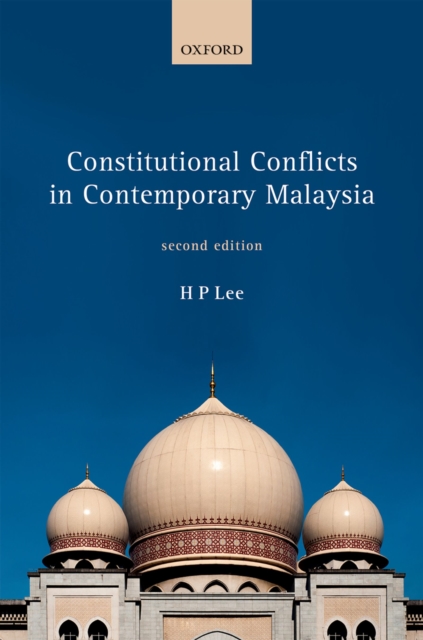
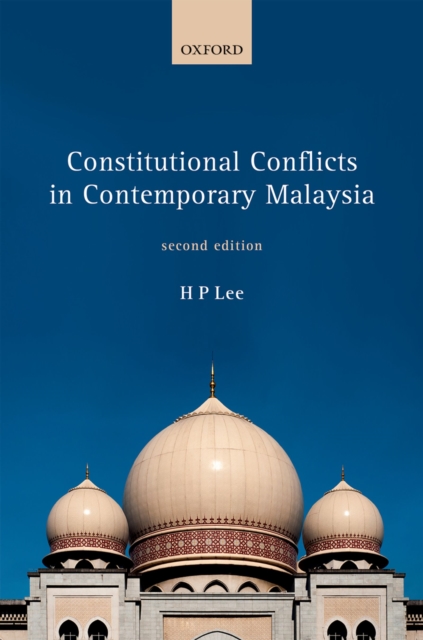
In this book, HP Lee explores how the separation of powers doctrine in Malaysia has been adversely affected by a number of major constitutional conflicts among the various important organs of government.
In this book, HP Lee explores how the separation of powers doctrine in Malaysia has been adversely affected by a number of major constitutional conflicts among the various important organs of government.