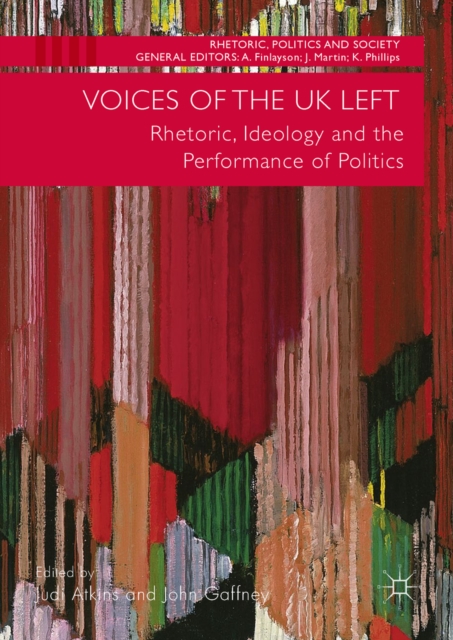
This book brings together a team of specialists to explore why some left-wing politicians are able to communicate their message effectively, whereas others struggle to connect with the public.
This book shows how the introduction of intermediation is relevant in studying political and public policy processes, as they are increasingly accompanied by grey spaces in public and non-public arenas that cannot be categorized as purely representative or purely participative.
This book, the second of two volumes, examines the presidency in last half of twentieth century America and explores the successes and failures of presidents in their foreign policy initiatives.
In light of the transformation of the Front National (FN) to a major player in French politics, this book examines how the unprecedented boost in positive opinions towards the FN as well as its increasing membership and electoral success have been possible.
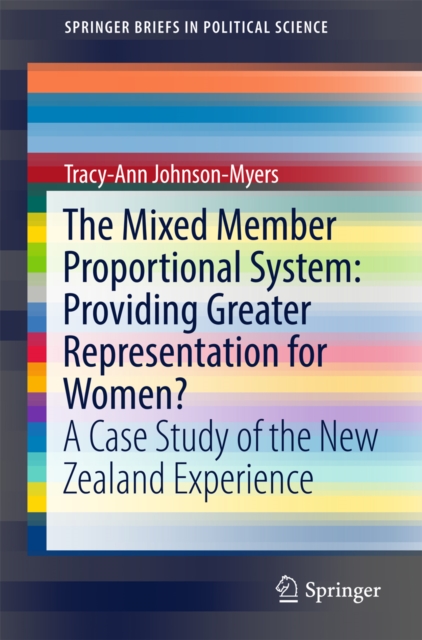
This Brief discusses the adoption of the mixed member proportional (MMP) electoral system in New Zealand and its subsequent effect on representation for women.
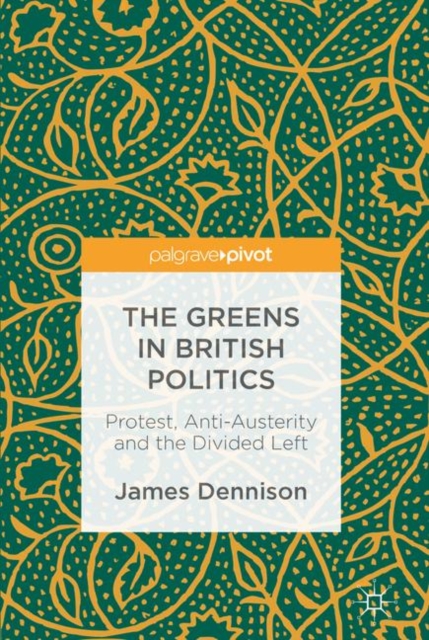
This book explains how the Greens went from obscurity to England's third largest party in just one year, quadrupling their vote share and securing their place in Britain's refigured party system on the way.
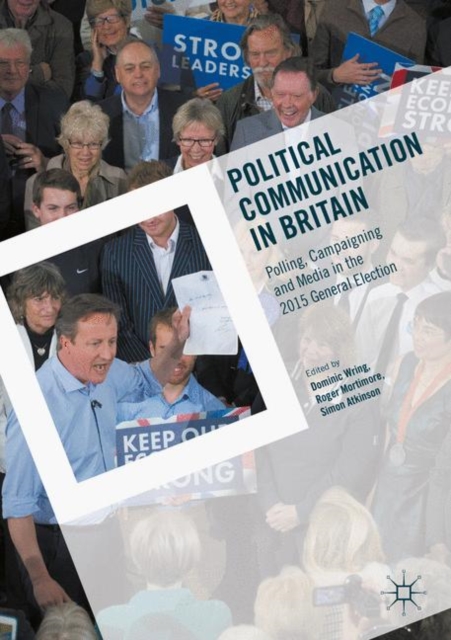
This book offers a unique exploration of the 2015 General Election from the perspectives of those most intimately involved as strategists, journalists and analysts.
This book provides a detailed study into whether Ministers in the Council vote the same way as Members of the European Parliament if they are from the same national party.
This book is unique in illuminating and comparing the charismatic role of two political leaders, Jawaharlal Nehru and David Ben-Gurion, along with assessments of many other 20th century political leaders.
This book examines the history and role of election posters as one of the most crucial forms of political communication, especially in electoral campaigns, in a number of countries around the globe.
While significant attention in political science is devoted to national level elections, a comprehensive look at state level political dynamics in the United States is so far sorely missing, and state level electoral developments and shifts are treated as mere reflections of national-level dynamics and patterns.
This book analyzes how mainstream and new parties are building their digital platforms and transitioning from traditional (offline) organizations into the digital world.
This Brief discusses the adoption of the mixed member proportional (MMP) electoral system in New Zealand and its subsequent effect on representation for women.
This book explores the unusual and unique experience of direct democracy in the small state of New Zealand, where referendums have been a persistent feature of the political landscape for over a century.
Die Europawahl 2019 stellt Weichen: Es entscheidet sich, wie sich die EU weiterentwickelt und ob den Nationalisten der geplante Sturm auf Brüssel gelingt.
Drawing on data from the Scottish Referendum Study and subsequent Scottish Election Studies, this book provides the first in depth analysis of how voters engaged with the independence referendum in 2014 and what impact this has had on vote choice, polarisation and engagement in Scotland since then.
This book contributes to emerging debates about Levelling Up the UK Economy, considering these alongside the nature of, and trends in, both the political economy and spatial disparities.
This is a book about European integration and mainstream parties of the left, the main underlying question driving it being: Given that the communist left was fatally wounded by the collapse of the Berlin Wall; given that, since then, the terms 'left' and 'right' have not infrequently been attacked (especially by populists) as being no longer useful for making sense of politics; given that social democracy, understood as 'national Keynesianism' no longer appears to be viable (as reflected in its long-term electoral decline), what does it mean to be on the left in the early 21st century and what can be done to revive its fortunes?
While significant attention in political science is devoted to national level elections, a comprehensive look at state level political dynamics in the United States is so far sorely missing, and state level electoral developments and shifts are treated as mere reflections of national-level dynamics and patterns.
This book examines the factors determining the character, depth, scope and outcomes of changes made by political parties in the aftermath of electoral losses.