This book analyses French cultural policies in the face of what the French government perceives as a challenge to its Republican secular raison d'etre.
This book considers the impact that the increasing number of LGBQ politicians in Canada has had on the political representation of LGBTQ people and communities.
This book provides an in-depth look into key political dynamics that obtain in a democracy without parties, offering a window into political undercurrents increasingly in evidence throughout the Latin American region, where political parties are withering.
In light of the increased utilization of information technologies, such as social media and the 'Internet of Things,' this book investigates how this digital transformation process creates new challenges and opportunities for political participation, political election campaigns and political regulation of the Internet.
This book adopts a regional approach to understanding 2020 presidential election outcomes, taking into account the tribalism that has come to define contemporary US politics and building a path to 270 Electoral College votes.
This book provides a systematic overview of the prevalence, causes, and stability of left-wing and right-wing extremist attitudes in Germany between 1994 and 2017.
Political Communication in Britain offers unique insights from various members of the party, media, and polling organizations that contested, reported, and analysed the 2019 British General Election, as well as leading academic experts who have researched the campaign.
This book gives a historical and contemporary overview of the redistricting process, using North Carolina for the different political, electoral, and legal issues and debates over the practice of drawing legislative district boundaries.
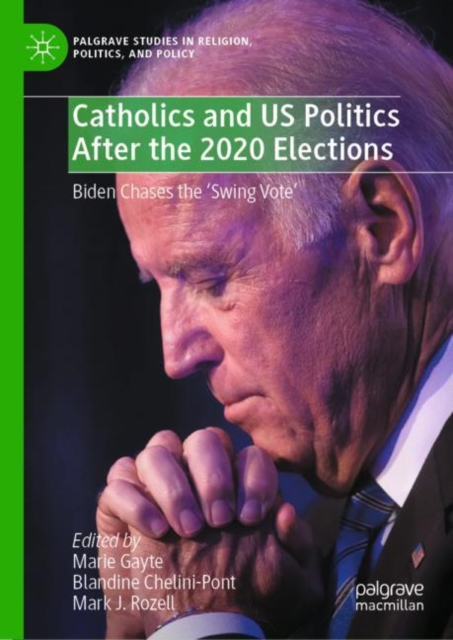
This book examines the evolution of the Catholic vote in the United States and the role of Catholic voters in the 2020 national elections more specifically.
This book analyzes how mainstream and new parties are building their digital platforms and transitioning from traditional (offline) organizations into the digital world.
This book is the second volume in the Palgrave Studies in Political Marketing and Management series to focus on political marketing and management in New Zealand's general elections.
The British General Election of 2019 is the definitive account of one of the most consequential and controversial general elections in recent times, when Boris Johnson gambled everything calling an early election to 'Get Brexit Done', and emerged triumphant.
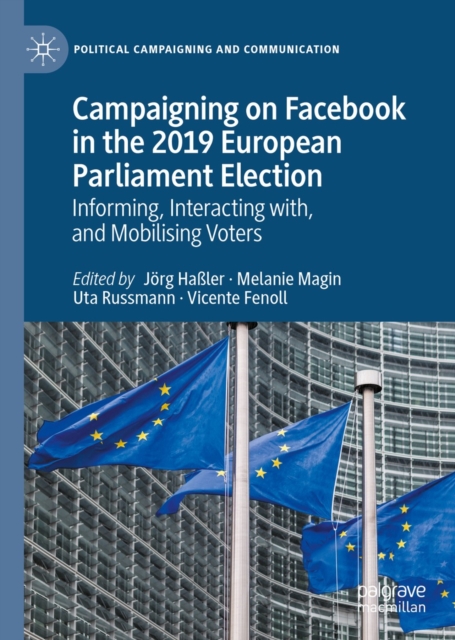
This book investigates how political parties from 12 European countries used Facebook to inform, interact with and mobilise voters at the 2019 European Parliament election.
This book examines the increasing territorialisation of party competition and the relaxation of unitarian rule through devolution, presenting a long-term analysis of electoral developments in the United Kingdom since the end of the Second World War.
In light of the growing support for populist political actors, this book examines political party behavior and political positions towards the integration process in the European Union.
This book aims to explain why some presidents are more successful than others in winning the support of legislators during periods of unified government.
This book focuses on the language of two unions (the United Kingdom and the European Union), tracing the emergence of divisive discourses from indyref to Brexit.
This book argues that the defeat of the main French Centre Right party in the 2017 presidential and legislative elections, and its subsequent disintegration, were the result of a failure to respond effectively to the challenges posed by a continuing realignment of the party system.
This book concentrates on the leaders of the Conservatives, Labour and Liberal Democrats in British general election campaigns between 2010 and 2019, by exploring where they visit during the campaign and why, the impact they have, and how leadership is represented in the Press.
Public opinion research has been under a great deal of criticism over the last few years as it failed to accurately predict a series of important outcomes around the world.
This book provides a practical guide to how groups of people, everywhere, from the local village council to the United Nations Security Council, can best make collective decisions.
The Palgrave Handbook of Gender, Sexuality, and Canadian Politics offers the first and only handbook in the field of Canadian politics that uses 'gender' (which it interprets broadly, as inclusive of sex, sexualities, and other intersecting identities) as its category of analysis.
This book examines the dynamics behind shifts in voter registration rates across the states and adopts a framework of collaborative governance with election administration at its center.