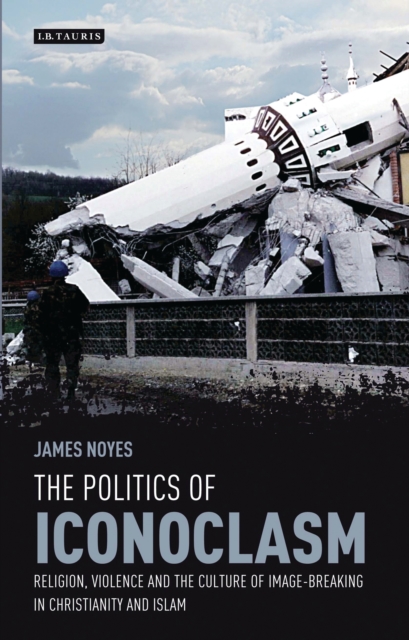
From false idols and graven images to the tombs of kings and the shrines of capitalism, the targeted destruction of cities, sacred sites and artefacts for religious, political or nationalistic reasons is central to our cultural legacy.
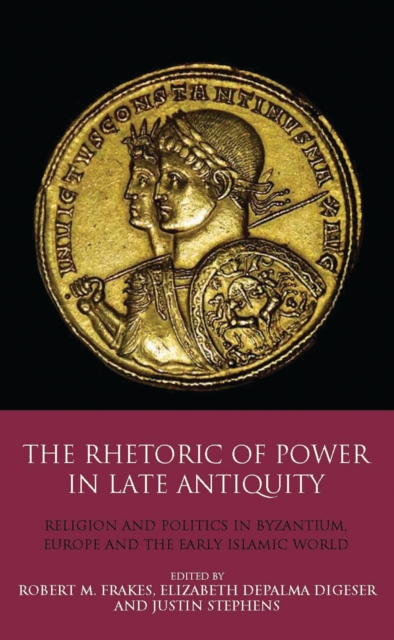
Late Antiquity, the period of transition from the crisis of Roman Empire in the third century to the Middle Ages, has traditionally been considered only in terms of the 'decline' from classical standards.
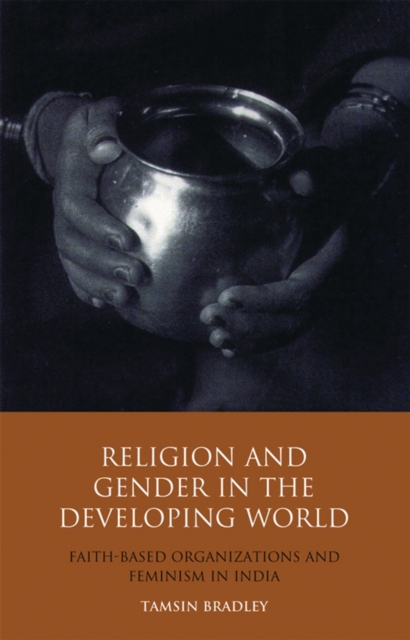
Faith-based development organizations have become a central part of the lives of the women of rural Rajasthan, and have come to represent an important aspect of both individual and collective identities.
Since its independence from the Soviet Union in 1991, Armenia has experienced a reversal from democratization to a Soviet-style authoritarian regime and has been accused of repressive approaches to human rights.
The author argues in this text that the much-vaunted reform and liberalisation of Egypt's economy has been partial and selective, far from beneficial to all Egyptians.
The phrase Christian politics evokes two meanings: political relations between denominations in one direction, and the contributions of Christian churches to debates about the governing of society.
The Protestant and Catholic Reformations thrust the nature of conversion into the center of debate and politicking over religion as authorities and subjects imbued religious confession with novel meanings during the early modern era.
In this text, "e;Research in Political Sociology"e;, the imperative and current issues of democratic trends are presented by scholars from Asia, Europe, Latin America and the United States.
This wide-ranging overview of the processes of democratization in post-Communist Europe, places the transitions in East-Central Europe within a broad European and global context.
An analysis of the growth economy, this book traces the causes of the present crisis in the modern market system, initiated two centuries ago with the establishment of the market economy system which has led to the present growth economy.
God knows it is hard to make God boring, Stanley Hauerwas writes, but American Christians, aided and abetted by theologians, have accomplished that feat.
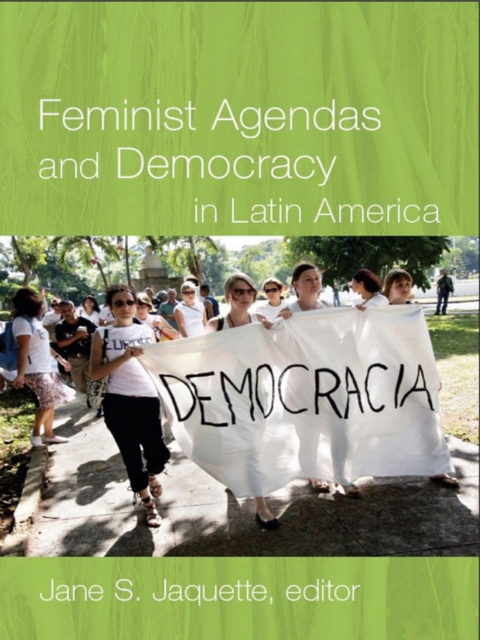
Latin American women's movements played important roles in the democratic transitions in South America during the 1980s and in Central America during the 1990s.
Creating Ourselves is a unique effort to lay the cultural and theological groundwork for cross-cultural collaboration between the African and Latino/a American communities.
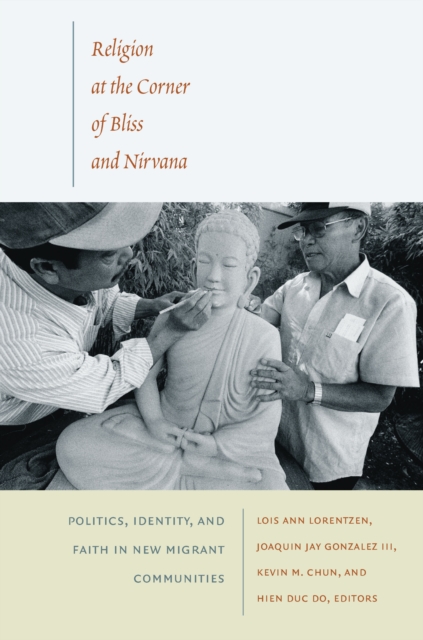
Based on ethnographic research by an interdisciplinary team of scholars and activists, Religion at the Corner of Bliss and Nirvana illuminates the role that religion plays in the civic and political experiences of new migrants in the United States.
In this important volume, Herman Lebovics, a preeminent cultural historian of France, develops a historical argument with striking contemporary relevance: empire abroad inevitably undermines democracy at home.
The essays in Theology and the Political-written by some of the world's foremost theologians, philosophers, and literary critics-analyze the ethics and consequences of human action.
This collection brings together recent scholarship that examines how understandings of honor changed in Latin America between political independence in the early nineteenth century and the rise of nationalist challenges to liberalism in the 1930s.
Imagining Interest in Political Thought argues that monistic interest-or the shaping and coordination of different pursuits through imagined economies of self and public interest-constitutes the end and means of contemporary liberal government.
Reason and Democracy breaks new ground in providing a plausible philosophical basis for the communitarian view of a healthy democracy as the rational pursuit of common purposes by free and equal citizens.
In A Not So Foreign Affair Andrea Slane investigates the influence of images of Nazism on debates about sexuality that are central to contemporary American political rhetoric.
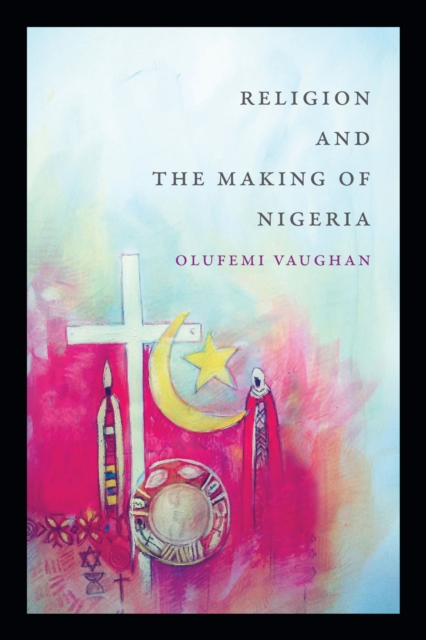
In Religion and the Making of Nigeria, Olufemi Vaughan examines how Christian, Muslim, and indigenous religious structures have provided the essential social and ideological frameworks for the construction of contemporary Nigeria.
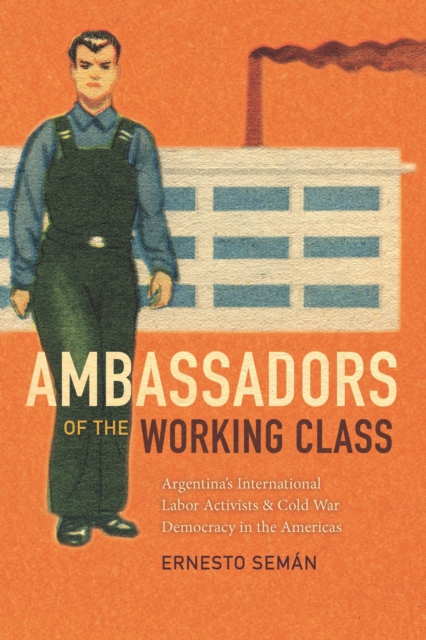
In 1946 Juan Peron launched a populist challenge to the United States, recruiting an army of labor activists to serve as worker attaches at every Argentine embassy.
Democratization and Revolution in the USSR, 1985-91 presents a strikingly new view of the Gorbachev era and the reasons for the collapse of the Soviet Union.
The question of whether Islam is compatible with democracy may best be answered not from the classical sources or even from the cauldron of Middle East politics but from the lived experiences of Muslim communities around the world.
How societies can preserve democracy with a human-directed social contractThe recent rise of populist movements, especially in Western democracies, has prompted considerable thoughtful analysis.
Partisan warfare and gridlock in Washington threaten to squander America's opportunity to show the world that democracy can solve serious economic problems and ensure widely shared prosperity.
Shifting power balances in the world are shaking the foundations of the liberal international order and revealing new fault lines at the intersection of human rights and international security.
More than two hundred years have passed since the Constitution was written, yet Americans still cannot make up their minds whether religion is primarily private, public, or a combination of the two.
The democratic surge in the past twenty years has led many Americans to assume that all societies are, or should be, making progress toward becoming practicing democracies.