Part lament, part provocative call-to-action, Democracy in Decline charts how democracy is being diluted and restricted in five of the world's oldest democracies - the United States, Canada, the United Kingdom, Australia, and New Zealand.
Participatory democracy innovations aimed at bringing citizens back into local governance processes are now at the core of the international democratic development agenda.
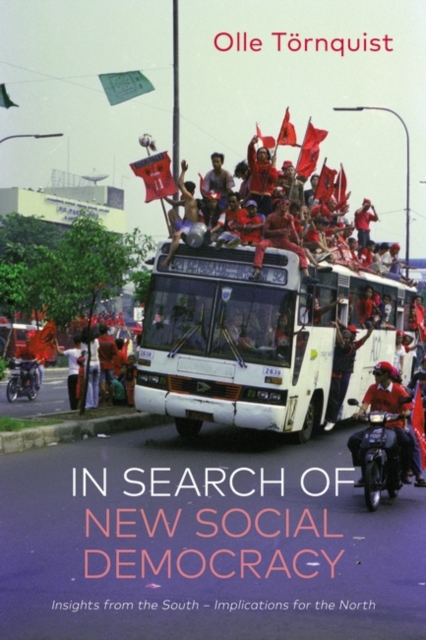
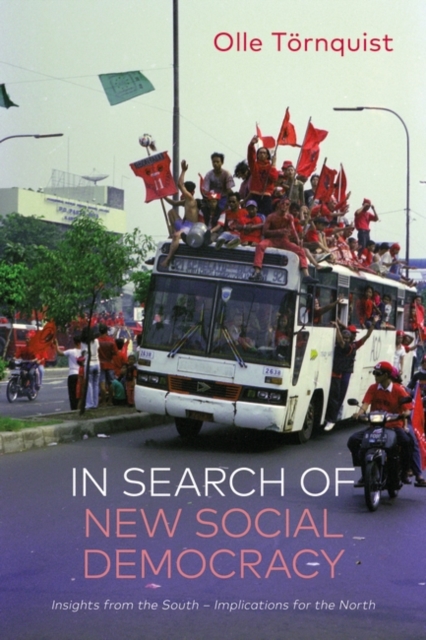
When social democratic politicians in the 1990s moderated their ideas and policies as part of a turn towards the "e;third way,"e; they were assailed as traitors to the cause.
To honour the distinguished career of Donald Savoie, Governing brings together an accomplished group of international scholars who have concerned themselves with the challenges of governance, accountability, public management reform, and regional policy.
With the direct participation of partisan political staff in governance, the onset of permanent election campaigns heavily dependent on negative advertising, and the expectation that the public service will not only merely implement but enthusiastically support the agenda of the elected government, we are experiencing a new form of political governance.
The story of the small new age religious group that introduced Victorian Toronto to Eastern thought and theology, vegetarianism, reincarnation, cremation, and the pacifism of Mohandas Gandhi.
In Democratic Society and Human Needs Noonan examines the moral grounds for liberalism and democracy, arguing that contemporary democracy was created through needs-based struggles against classical liberal rights, which are essentially exclusionary.
To revitalize politics we need to abandon the idea that ideologies evolve from "e;right"e; to "e;left"e;, from conservatism to socialism, and look at our political differences in terms of the distinction, more familiar in the arts, between classicism and romanticism.
In the late eighteenth century, an influx of Protestant settlers to the mainly Catholic parish of Forkhill on the Ulster borderlands provoked clashes between natives and newcomers.
Barnard argues that Western democracy, if it is to continue to exist as a legitimate political system, must maintain the integrity of its application of performative principles.
Sabetti argues that poor government performance in contemporary Italy has been an unintended consequence of attempts to craft institutions for good - or democratic - government.
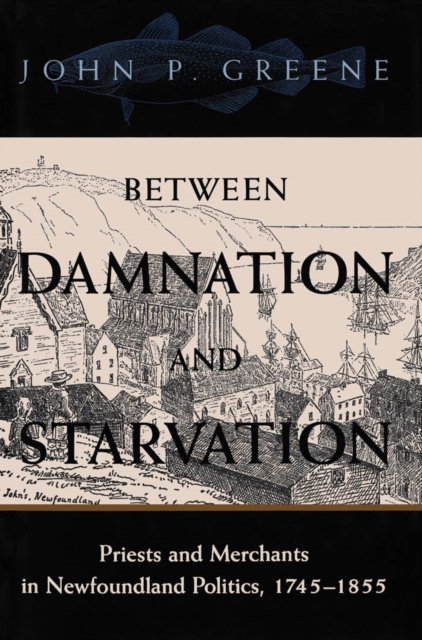
While some scholars have focused on various aspects of the denominational origins of the education system, and others have revealed the influence of religion on the electoral results of the pre-1864 period, the complete story has never been told.
Topics in this collection of essays range from a utopian-style foray into possible structures for democratic governance at the global level to a Hobbesian analysis of the ongoing challenges that democratic theory faces; from an assertion of the importance of social and economic equality to a recognition of the limits of solidarity in the real world of pluralistic and divided societies in which we live; from identification with the cosmopolitan and the international to a defence of the national and the local; from a predilection for direct democracy and the lost community of republican theory, past and present, to a recognition of the fairly circumscribed ways in which these can ultimately be expressed in our day.
Based on extensive surveys conducted during and after the campaign, The Challenge of Direct Democracy is a comprehensive investigation of voter opinion, intention, perception, and behaviour in a referendum.
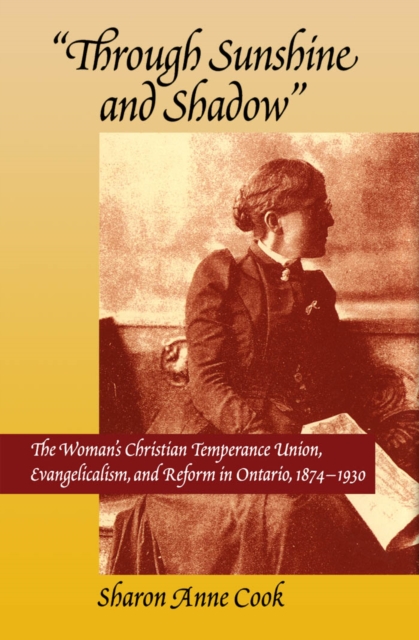
Using an extensive array of primary sources, including local WCTU minute books and correspondence, Cook describes the origins, structures, strategies, and achievements of the Ontario WCTU in the late nineteenth and early twentieth centuries.
Kroeker argues that in trying to make their theological ethics relevant to economic policy Christian social ethicists have accepted assumptions that are incompatible with theological beliefs.
In these essays, written during the last fifteen years, Whitaker analyses the paradoxes of federalism and democracy in a society which is deeply divided by region, language, and class.
In addition, he deals with the development of these concepts in Roman and canon law and in the practices of the emerging states of France and England and the Italian city-states, as well as considering works in legal and administrative theory and constitutional documents.
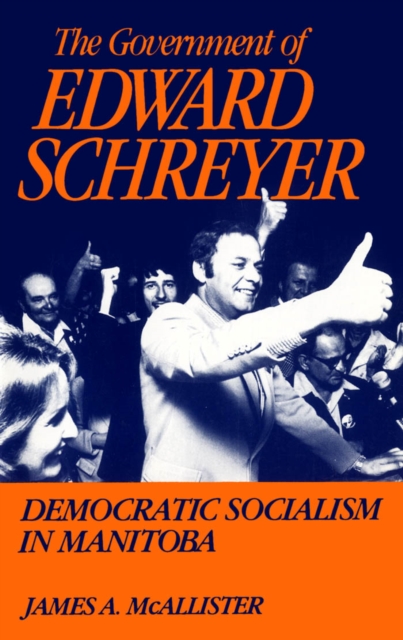
A fresh perspective on the role of democratic socialist ideology in Canadian politics emerges from this study of the first NDP government of Manitoba (1969-77).
In Democratic Society and Human Needs Noonan examines the moral grounds for liberalism and democracy, arguing that contemporary democracy was created through needs-based struggles against classical liberal rights, which are essentially exclusionary.
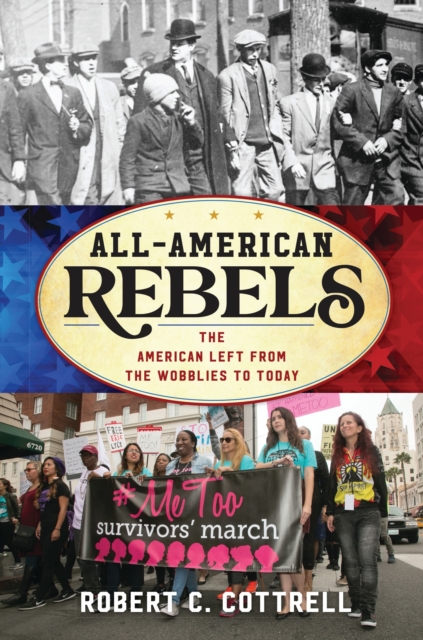
From women's suffrage to Civil Rights for African Americans, to the environment, and the gay and lesbian liberation movement, the American Left has achieved notable successes in the 20th and 21st centuries.
This book addresses controversial issues in contemporary church life using liturgical commentary, homiletical illustration, and theological reflection.
While a positive correlation between capitalism and democracy has existed in Western Europe and North America, the example of late-industrializing nations such as Turkey has demonstrated that the two need not always go hand in hand, and sometimes the interests of business coincide more firmly with anti-democratic forces.
While a positive correlation between capitalism and democracy has existed in Western Europe and North America, the example of late-industrializing nations such as Turkey has demonstrated that the two need not always go hand in hand, and sometimes the interests of business coincide more firmly with anti-democratic forces.
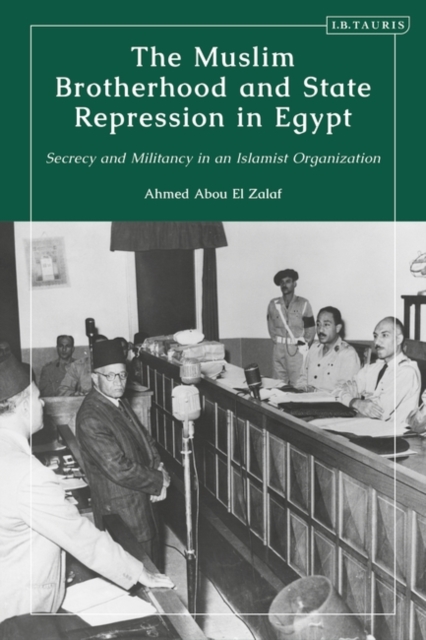
Since the Second World War, the Muslim Brotherhood in Egypt faced periods of extensive state repression, between 1948-1951 and 1954-1970 and again after 2013.
Since the Second World War, the Muslim Brotherhood in Egypt faced periods of extensive state repression, between 1948-1951 and 1954-1970 and again after 2013.
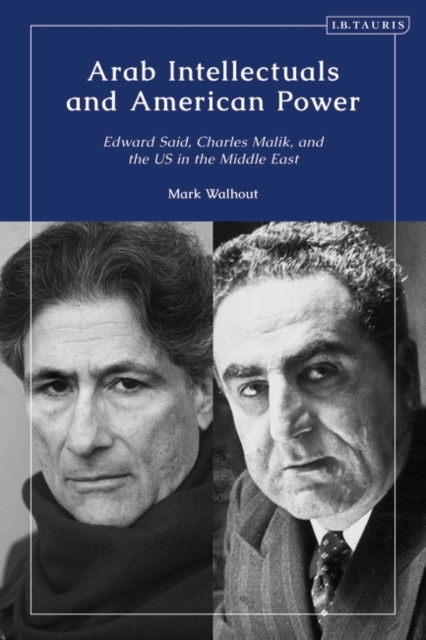
Edward Said, the famous Palestinian American scholar and activist, was one of the twentieth century's most iconic public intellectuals, whose pioneering and – to some – controversial work on Orientalism shaped Middle Eastern and postcolonial studies and beyond.