Whether the nearly twelve years of military rule in Peru--between October 1968 and July 1980--are labelled a revolution, so-called revolution, or simply a 'military dictatorship', one fact remains inescapable: the reforms and programs of the armed forces during that period profoundly altered Peruvian society.
This book analyzes Myanmar's contemporary political history, arguing that Myanmar's so-called "e;democratization"e; has always been a calculated regime transition, planned by the military, with every intention that the military to remain the key permanent political actor in Myanmar's political regime.
This book analyzes Myanmar's contemporary political history, arguing that Myanmar's so-called "e;democratization"e; has always been a calculated regime transition, planned by the military, with every intention that the military to remain the key permanent political actor in Myanmar's political regime.
What happens when a democratically elected leader evolves into an authoritarian ruler, limiting press freedom, civil liberties, and religious and ethnic tolerance?
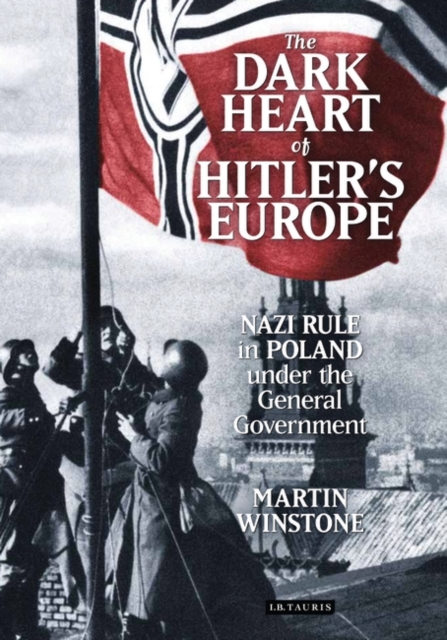
After the German and Soviet attack on Poland in 1939, vast swathes of Polish territory, including Warsaw and Krak w, fell under Nazi occupation in an administration which became known as the 'General Government'.
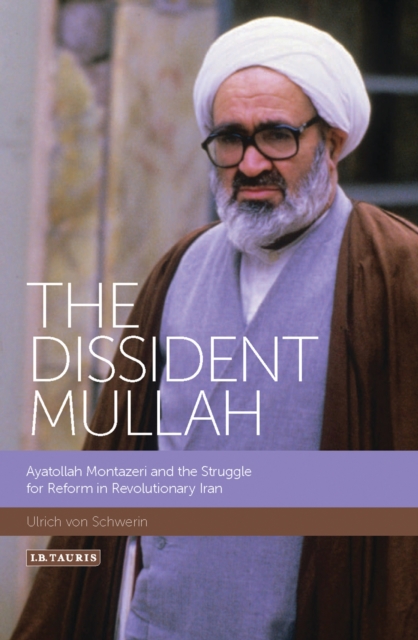
The Iranian cleric Ayatollah Montazeri (1922-2009) played an integral role in the founding of the Islamic Republic in the wake of the Iranian Revolution of 1978/9.
From the turmoil and tragedy of the French Revolution to the rise and fall of the enigmatic figure of Napoleon Bonaparte, the history of France between 1789 and 1815 is one of the most enduringly fascinating - and widely-studied - periods of history.
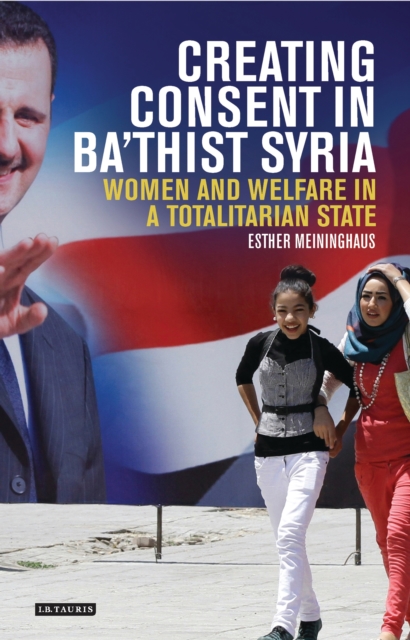
The challenge of maintaining dictatorial regimes through control, co-option and coercion while upholding a facade of legitimacy is something that has concerned leaders throughout the Middle East and beyond.
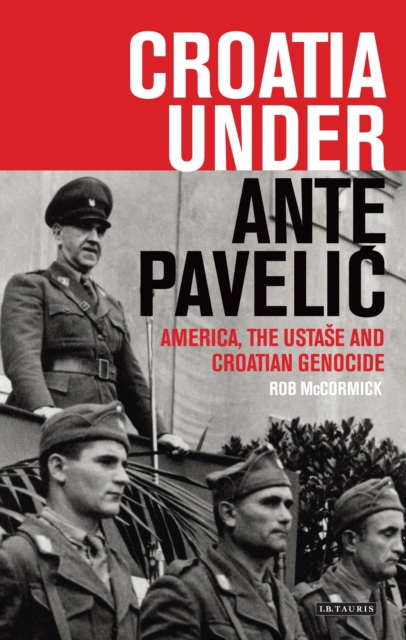
Ante Pavelic was the leader of the fascist party of Croatia (the Ustaše), who, on Adolf Hitler's instruction, became the leader of Croatia after the Nazi invasion of 1941.
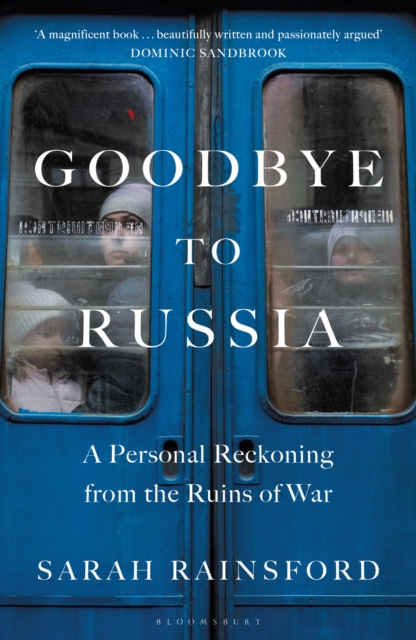
A DAILY MAIL, FINANCIAL TIMES AND PROSPECT POLITICS BOOK OF THE YEARSHORTLISTED FOR THE BEST BOOK BY A NON-PARLIAMENTARIAN IN THE WESTMINSTER BOOK AWARDS'Quite simply the best and most powerful book I've read this year' David Peace'A magnificent book .
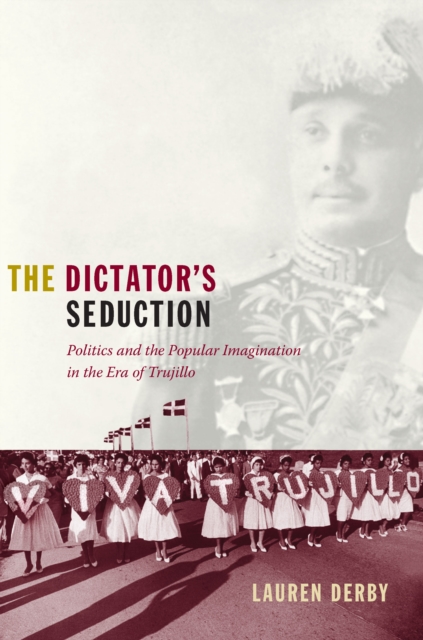
The dictatorship of Rafael Trujillo, who ruled the Dominican Republic from 1930 until his assassination in 1961, was one of the longest and bloodiest in Latin American history.
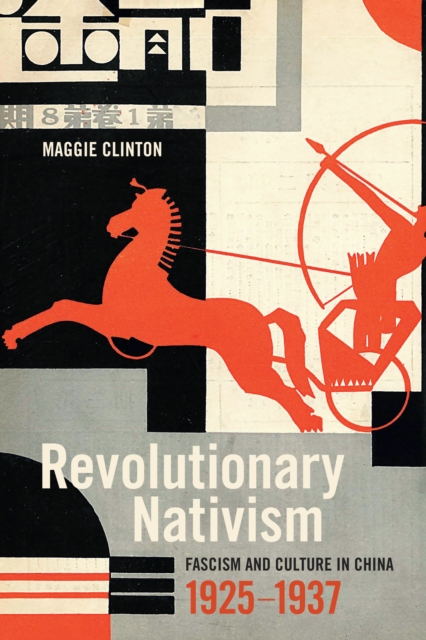
In Revolutionary Nativism Maggie Clinton traces the history and cultural politics of fascist organizations that operated under the umbrella of the Chinese Nationalist Party (GMD) during the 1920s and 1930s.
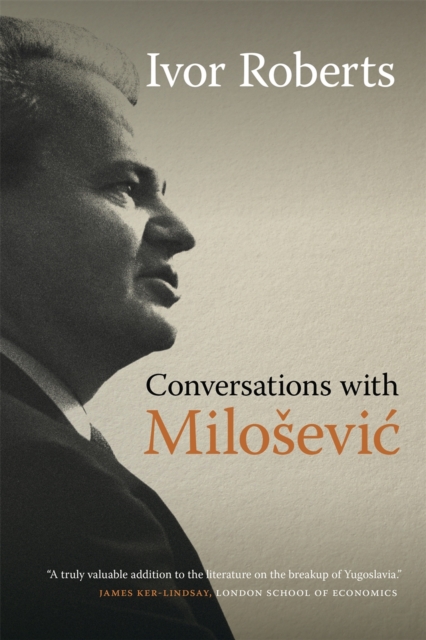
Conversations with Milosevic is a firsthand portrayal of the so-called Butcher of the Balkans, the Serbian president whose ambitions sparked the Bosnian conflict.
The democratic surge in the past twenty years has led many Americans to assume that all societies are, or should be, making progress toward becoming practicing democracies.
At the close of World War II, the United States went from being allied with the Soviet Union against Germany to alignment with the Germans against the Soviet Unionalmost overnight.
From its creation in 1950, to the fall of the Berlin Wall in 1989, the German Democratic Republic's Ministry for State Security closely monitored its nation's citizens.
From its creation in 1950, to the fall of the Berlin Wall in 1989, the German Democratic Republic's Ministry for State Security closely monitored its nation's citizens.
Ptolemy, considered a proto-Humanist by some, combined the principles of Northern Italian republicanism with Aristotelian theory in his De Regimine Principum, a book that influenced much of the political thought of the later Middle Ages, the Renaissance, and the early modern period.
Gottlieb juxtaposes the Western dystopian genre with Eastern and Central European versions, introducing a selection of works from Russia, Poland, Hungary, and Czechoslovakia.
From the introduction: "e;Throughout Serbia's history no leader has risen to become as powerful and celebrated as Slobodan Milosevic, or fallen as low.
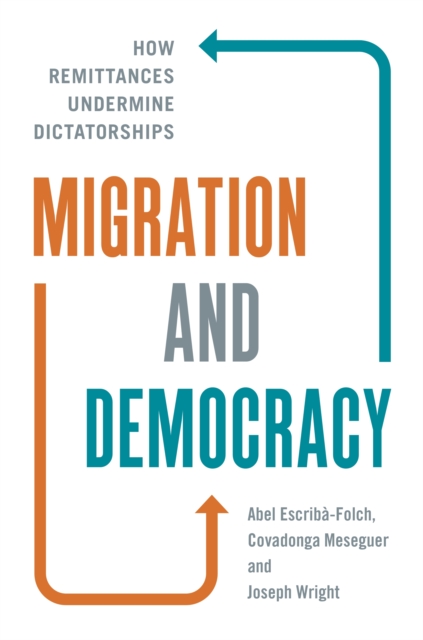
How remittances-money sent by workers back to their home countries-support democratic expansionIn the growing body of work on democracy, little attention has been paid to its links with migration.
Originally published in 1972, this book examines the way in which the military/police regime in Ghana, which overthrew President Nkrumah in February 1966, performed two overlapping tasks - those of establishing itself as a recognised government, and of pursuing its chosen objective of eventually restoring democratic civilian rule.
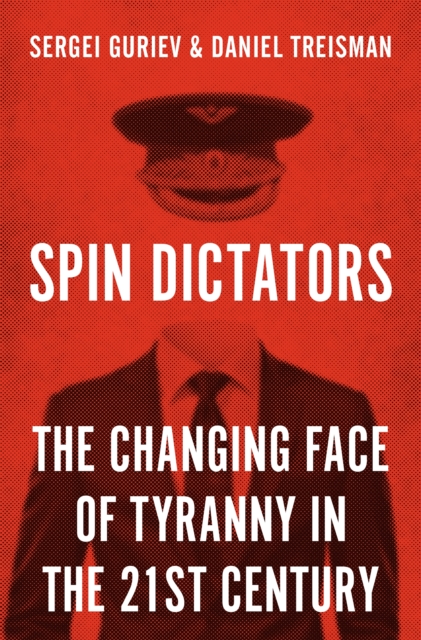
A New Yorker Best Book of the YearA Foreign Affairs Best Book of the YearAn Atlantic Best Book of the YearA Financial Times Best Politics Book of the YearHow a new breed of dictators holds power by manipulating information and faking democracyHitler, Stalin, and Mao ruled through violence, fear, and ideology.
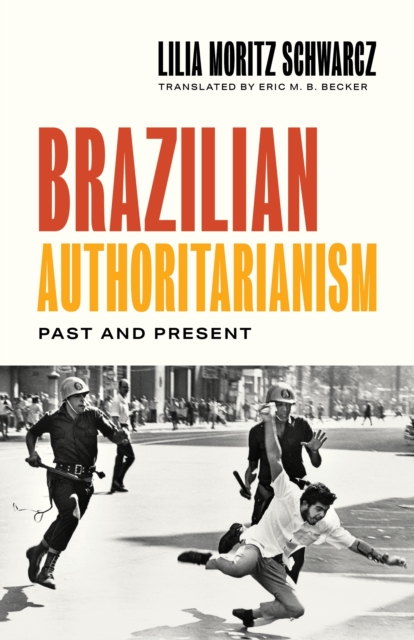
How Brazil's long history of racism and authoritarian politics has led to the country's present crises and epidemic of violenceBrazil has long nurtured a cherished national myth, one of a tolerant, peaceful, and racially harmonious society.