American Constitutional Law, Volume I, provides a comprehensive account of the nation's defining document, examining how its provisions were originally understood by those who drafted and ratified it, and how they have since been interpreted by the Supreme Court, Congress, the President, lower federal courts, and state judiciaries.
American Constitutional Law, Volume I, provides a comprehensive account of the nation's defining document, examining how its provisions were originally understood by those who drafted and ratified it, and how they have since been interpreted by the Supreme Court, Congress, the President, lower federal courts, and state judiciaries.
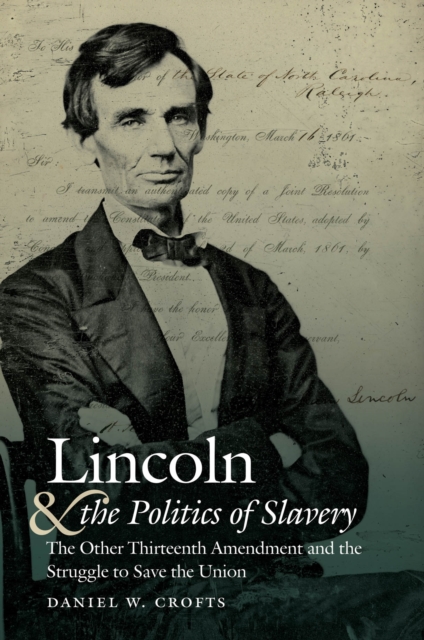
In this landmark book, Daniel Crofts examines a little-known episode in the most celebrated aspect of Abraham Lincolns life: his role as the Great Emancipator.
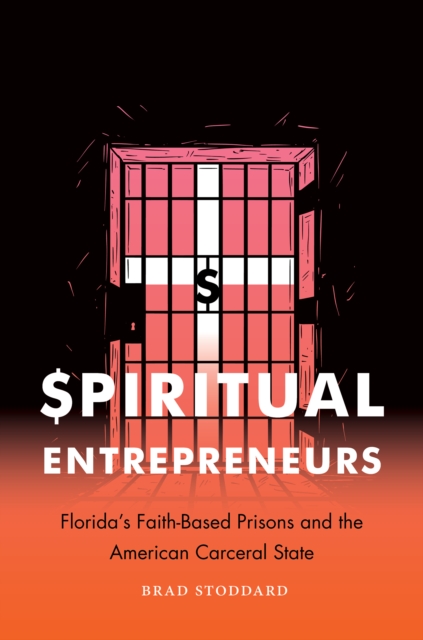
The overall rate of incarceration in the United States has been on the rise since 1970s, skyrocketing during Ronald Reagans presidency, and recently reaching unprecedented highs.
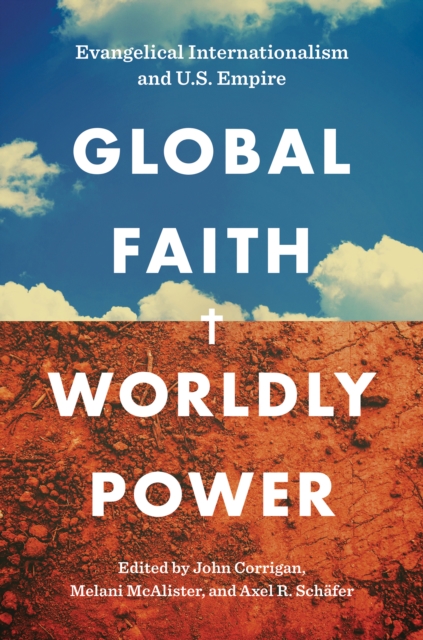
Assessing the grand American evangelical missionary venture to convert the world, this international group of leading scholars reveals how theological imperatives have intersected with worldly imaginaries from the nineteenth century to the present.
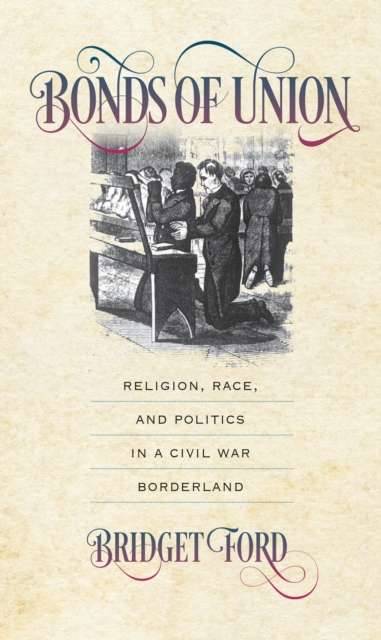
This vivid history of the Civil War era reveals how unexpected bonds of union forged among diverse peoples in the Ohio-Kentucky borderlands furthered emancipation through a period of spiraling chaos between 1830 and 1865.
Wokeism and, before it, Political Correctness are attempts to replace traditional privilege with a new privileged class of special interest groups that have supposedly been discriminated against.
The Hypocrisy of the Pro-life: Listen to the Crying Voices Across America is a powerful and unflinching examination of the contradictions embedded within modern American policy.
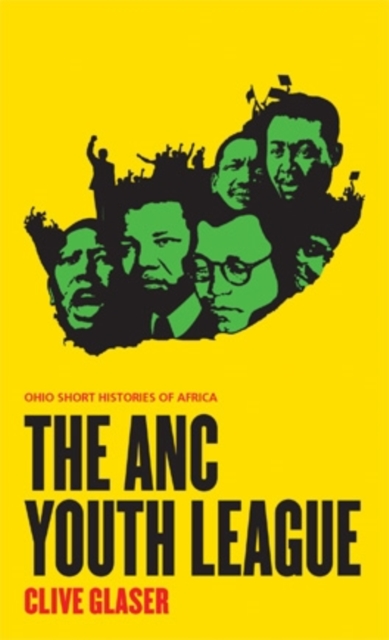
This brilliant little book tells the story of the African National Congress (ANC) Youth League from its origins in the 1940s to the present and the controversies over Julius Malema and his influence in contemporary youth politics.
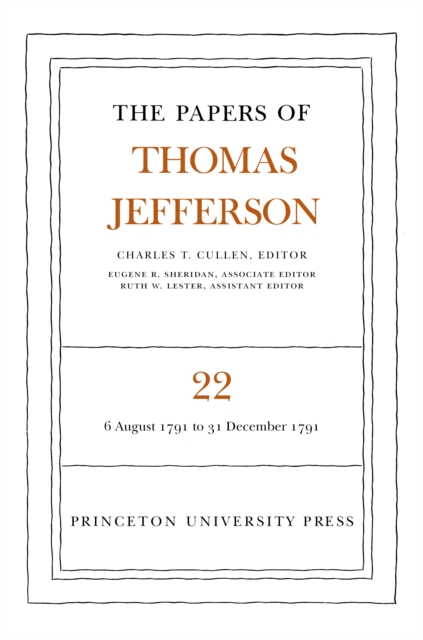
This volume brings to a close Jefferson's increasingly stormy tenure as Secretary of State, documenting, among many things, his epochal duel with Treasury Secretary Alexander Hamilton over the conduct of American foreign policy.
Offering the first comprehensive, interdisciplinary account of what Christian nationalism in America is and isn't, and how it became the political religion of Donald Trump's MAGA movement, the chapters in this book describe the way Christian nationalism has embedded itself in American politics.
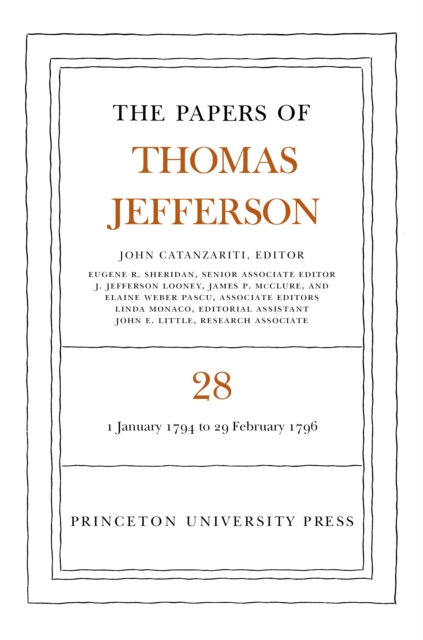
During the thirteen months covered by this volume, Thomas Jefferson spent more than half of his time in Philadelphia serving as vice president under President John Adams and presiding over a Senate that was dominated by his political opponents, the Federalists.
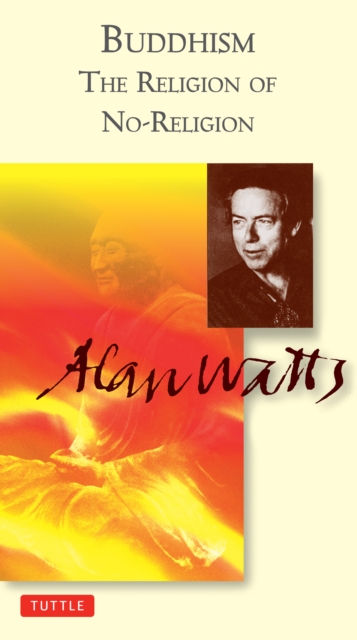
The widespread influence of Buddhism is due in part to the skill with which a way of liberation was refined by it's teachers and became accessible to people of diverse cultures.
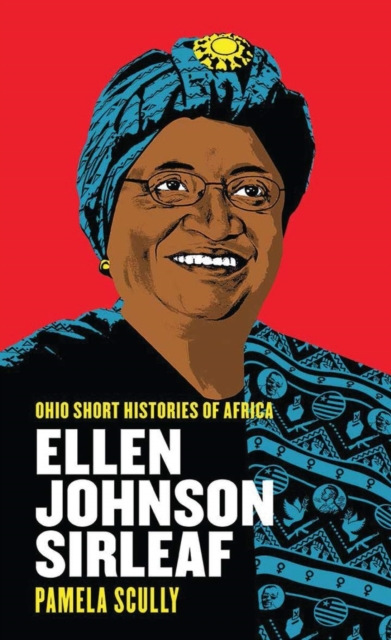
In this timely addition to the Ohio Short Histories of Africa series, Pamela Scully takes us from the 1938 birth of Nobel Peace Prize winner and two-time Liberian president Ellen Johnson through the Ebola epidemic of 2014-15.
In Volume 15 Jefferson, a veteran of the councils of his own country's revolution, becomes an eyewitness of the opening events of the great upheaval in France in 1789.
The dramatic escalation in the conflict between Thomas Jefferson and Alexander Hamilton to determine the future course of the new American nation is the main theme of this volume.
How should we understand the ideological foundations of a state that is simultaneously socialist, market driven, digitally empowered, and globally influential?
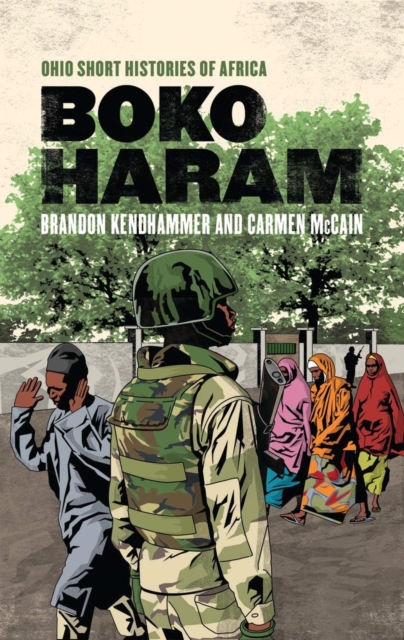
From its small-time origins in the early 2000s to its transformation into one of the world's most-recognized terrorist groups, this remarkable short book tells the story of Boko Haram's bloody, decade-long war in northeastern Nigeria.
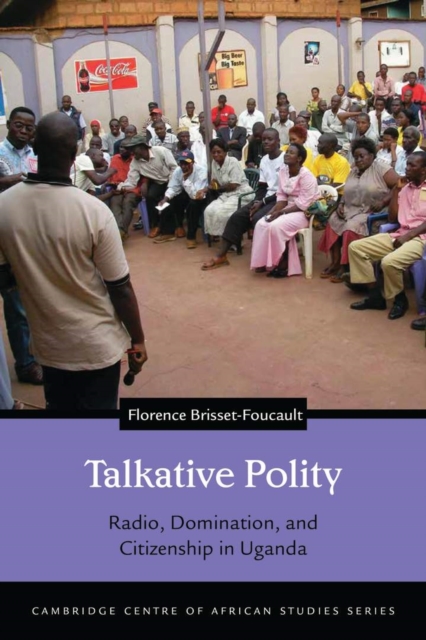
For the first decade of the twenty-first century, every weekend, people throughout Uganda converged to participate in ebimeeza, open debates that invited common citizens to share their political and social views.
America's cities are increasingly acknowledged as sites of renewal and economic opportunity-but how can city leaders facing physical and financial constraints harness this positive energy to create sustainable development?
"e;Based on an exploration of the total mass of executive and legislative records for the years 1801-1809-something no other scholar has attempted-this thoroughly documented account describes the machinery and operation of the presidential office, the Cabinet, the departments, and other offices and commissions in the executive branch.
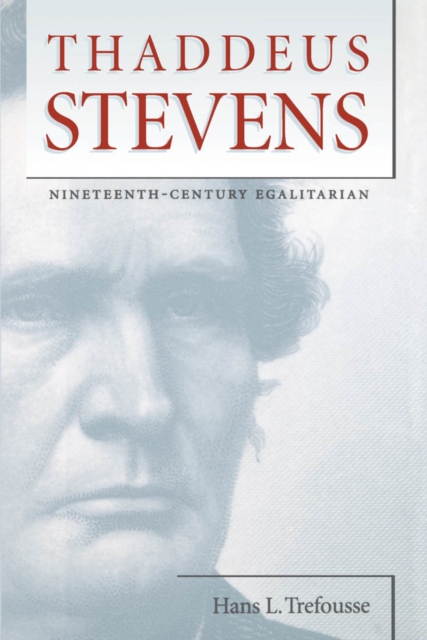
One of the most controversial figures in nineteenth-century American history, Thaddeus Stevens is best remembered for his role as congressional leader of the radical Republicans and as a chief architect of Reconstruction.
Women Leaders in Central and Eastern Europe: Organizing, Politics, and the Path to Change is a groundbreaking edited volume that redefines leadership through the lens of women's experiences across a historically and culturally unique region.
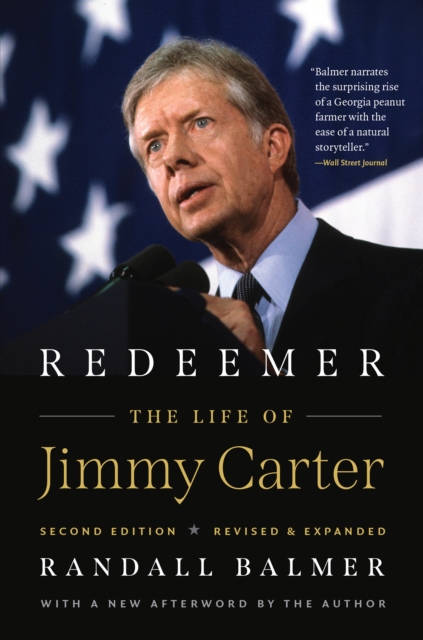
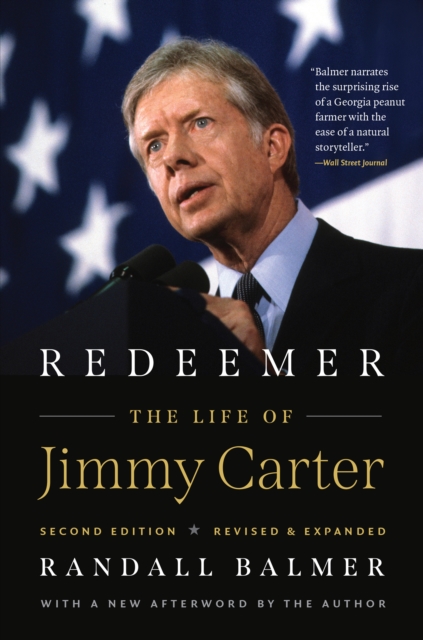
This illuminating biography of our thirty-ninth president by an acclaimed historian of American religion presents Jimmy Carter as the last great standard-bearer of progressive evangelical politics.
This illuminating biography of our thirty-ninth president by an acclaimed historian of American religion presents Jimmy Carter as the last great standard-bearer of progressive evangelical politics.
Women Leaders in Central and Eastern Europe: Organizing, Politics, and the Path to Change is a groundbreaking edited volume that redefines leadership through the lens of women's experiences across a historically and culturally unique region.
When we participate in political debate or protests, we are judged by how we look, which clothes we wear, by our skin colour, gender and body language.
Assessing the grand American evangelical missionary venture to convert the world, this international group of leading scholars reveals how theological imperatives have intersected with worldly imaginaries from the nineteenth century to the present.