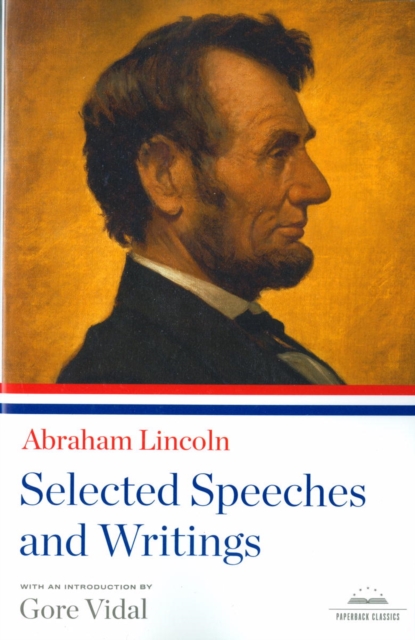
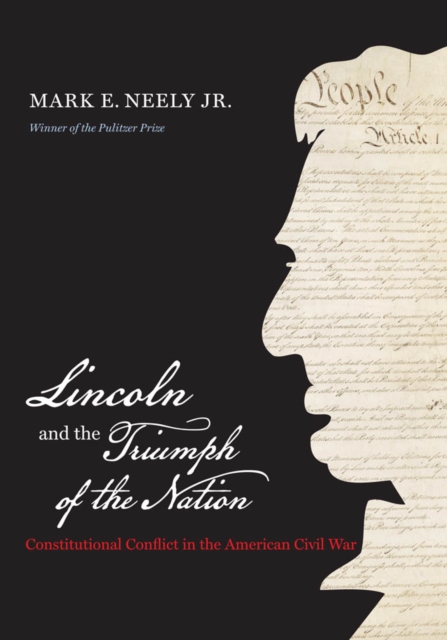
Alone among American Presidents, it is possible to imagine Lincoln, grown up in a different milieu, becoming a distinguished writer of a not merely political kind.
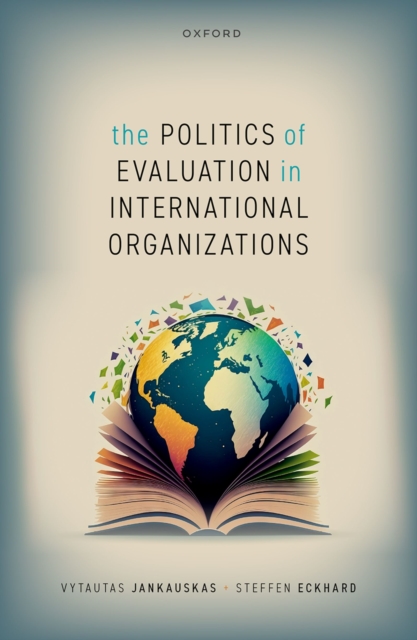
Evaluation has become a key tool in assessing the performance of international organizations, in fostering learning, and in demonstrating accountability.
Orr traces Aycocks growth from farm boy to practicing lawyer and on to that final eminence in which his fame spread beyond the state in connection with his brilliant oratory, his interest in public education, and his devotion to the Democratic party.
In this study of the breakdown of traditional party loyalties and voting patterns, prominent comparativists and country specialists examine the changes now occurring in the political systems of advanced industrial democracies.
A comparative and comprehensive account of the jurisprudence of constitutional conflict between the Court of Justice and national courts with the power of constitutional review.
Taking Northern Nigeria during the years 1946 to 1966 as an example, Professor Whitaker shows how modern institutions-parliamentary representation, a cabinet system, popular suffrage, and political parties-were introduced and how they resulted not in a displacement of tradition but in an astute absorption by traditional forces.
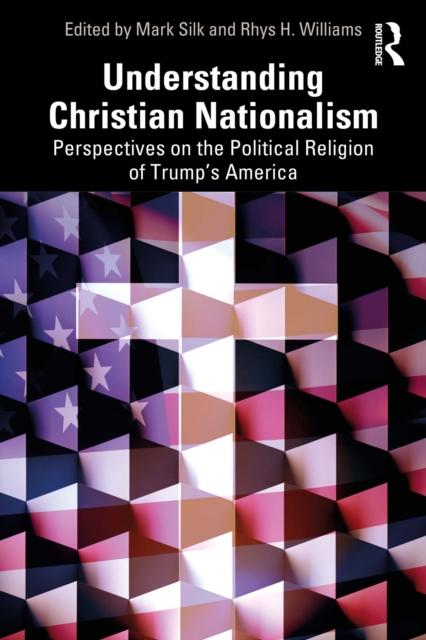
Offering the first comprehensive, interdisciplinary account of what Christian nationalism in America is and isn't, and how it became the political religion of Donald Trump's MAGA movement, the chapters in this book describe the way Christian nationalism has embedded itself in American politics.
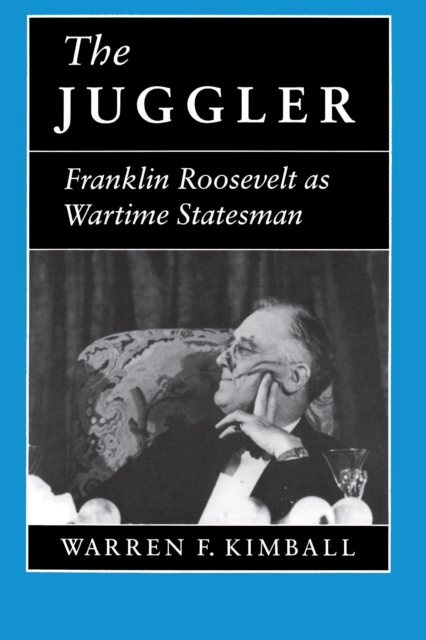
Here Warren Kimball explores Roosevelt's vision of the postwar world by laying out the nature and development of FDR's "e;war aims"e;--his long-range political goals.
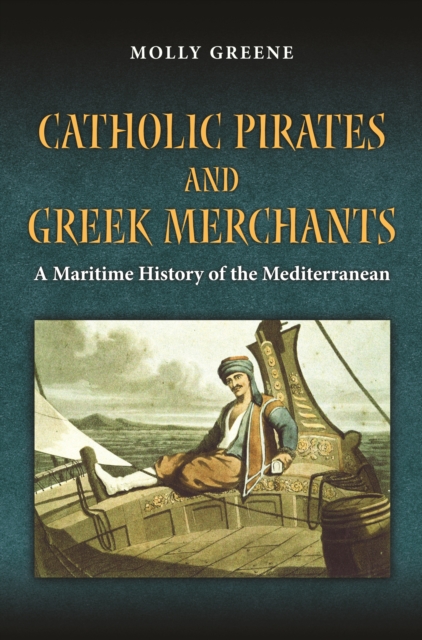
A new international maritime order was forged in the early modern age, yet until now histories of the period have dealt almost exclusively with the Atlantic and Indian oceans.
Schoultz examines the fundamental political cleavage between classical liberalism and the populist Peronist political movements in Argentina, identifying the socioeconomic structural features that led to this division and focusing on changes in social class composition that accompanied major demographic shifts and alterations in economic activity.
Democracy-building efforts from the early 1990s on have funneled billions of dollars into nongovernmental organizations across the developing world, with the U.
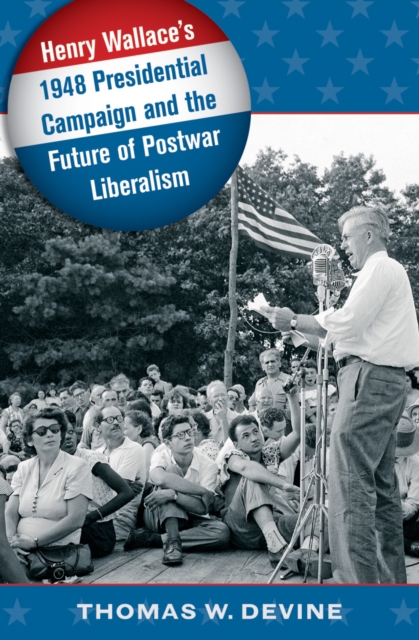
In the presidential campaign of 1948, Henry Wallace set out to challenge the conventional wisdom of his time, blaming the United States, instead of the Soviet Union, for the Cold War, denouncing the popular Marshall Plan, and calling for an end to segregation.
Do small but wealthy interest groups influence referendums, ballot initiatives, and other forms of direct legislation at the expense of the broader public interest?
According to conventional wisdom, big business wields enormous influence over America's political agenda and is responsible for the relatively limited scale of the country's social policies.
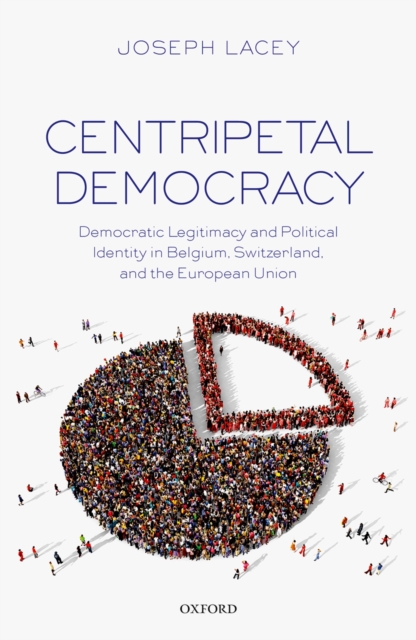
Centripetal democracy is the idea that legitimate democratic institutions set in motion forms of citizen practice and representative behaviour that serve as powerful drivers of political identity formation.
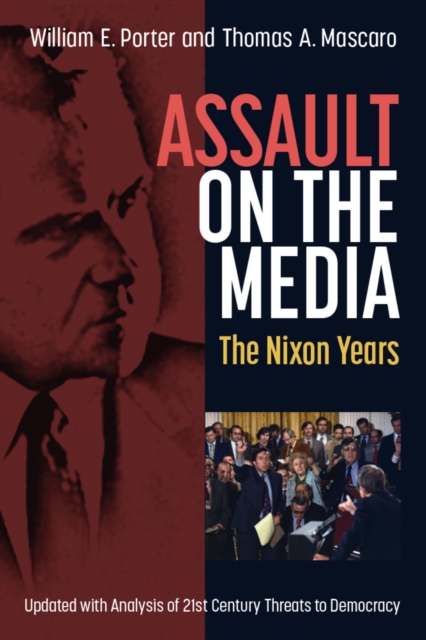
Assault on the Media: The Nixon Years, New and Expanded Edition, uses a 21st century perspective to revaluate the media warfare of the late 1960s and 1970s and its lasting effects.
This volume documents exhaustively for the first time Edmond Charles Genet's dramatic challenges to American neutrality and Jefferson's diplomatic and political responses.
The federation of the previously British and French Cameroons has, since 1961, tried to integrate a highly fragmented, bilingual society in which nearly every social cleavage found in Africa was present, including the complication of disparate colonial legacies.
A definitive new volume of the retirement papers of Thomas JeffersonDuring the period covered by the 575 documents in this volume, Jefferson advises President James Monroe on what later becomes known as the "e;Monroe Doctrine.
Volume 19, covering the final critical weeks of the First Congress, reveals Washington and Jefferson in the closest and most confidential relationship that existed at any time during their official careers.
The overall rate of incarceration in the United States has been on the rise since 1970s, skyrocketing during Ronald Reagans presidency, and recently reaching unprecedented highs.
Schoultz examines the fundamental political cleavage between classical liberalism and the populist Peronist political movements in Argentina, identifying the socioeconomic structural features that led to this division and focusing on changes in social class composition that accompanied major demographic shifts and alterations in economic activity.
Orr traces Aycocks growth from farm boy to practicing lawyer and on to that final eminence in which his fame spread beyond the state in connection with his brilliant oratory, his interest in public education, and his devotion to the Democratic party.
This analysis of the contours and social bases of mass voting behavior in the United States over the course of the third electoral era, from 1853 to 1892, provides a deep and rich understanding of the ways in which ethnoreligious values shaped party combat in the late nineteenth century.
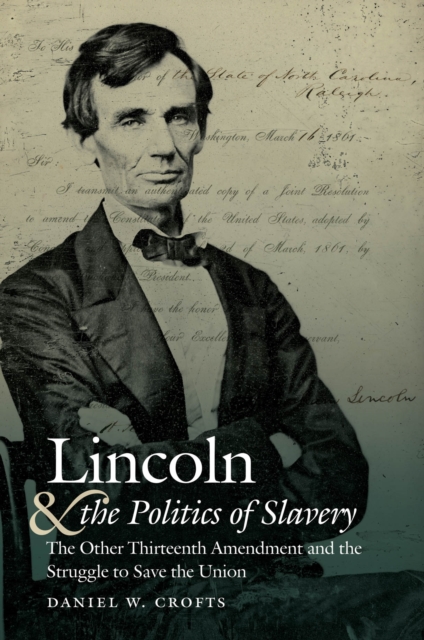
In this landmark book, Daniel Crofts examines a little-known episode in the most celebrated aspect of Abraham Lincolns life: his role as the Great Emancipator.
The overall rate of incarceration in the United States has been on the rise since 1970s, skyrocketing during Ronald Reagans presidency, and recently reaching unprecedented highs.
In the presidential campaign of 1948, Henry Wallace set out to challenge the conventional wisdom of his time, blaming the United States, instead of the Soviet Union, for the Cold War, denouncing the popular Marshall Plan, and calling for an end to segregation.
In this landmark book, Daniel Crofts examines a little-known episode in the most celebrated aspect of Abraham Lincolns life: his role as the Great Emancipator.
This analysis of the contours and social bases of mass voting behavior in the United States over the course of the third electoral era, from 1853 to 1892, provides a deep and rich understanding of the ways in which ethnoreligious values shaped party combat in the late nineteenth century.