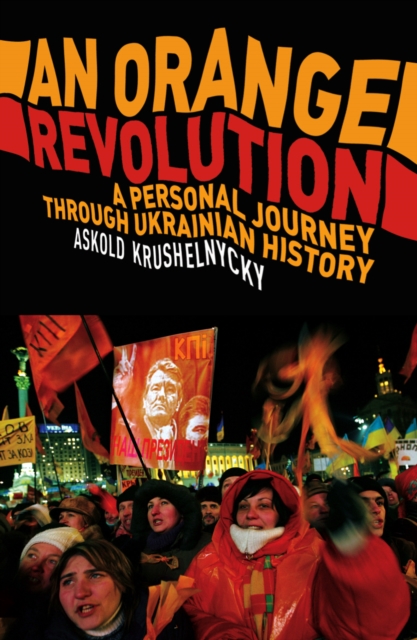
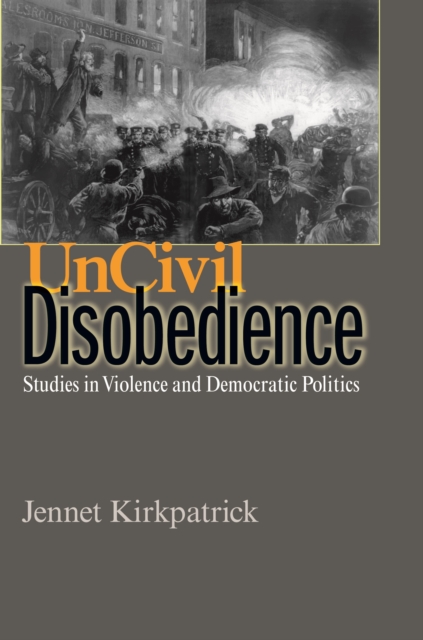
In December 2004, the world watched as hundreds of thousands of Ukrainians gathered to defy the results of a transparently rigged presidential election.
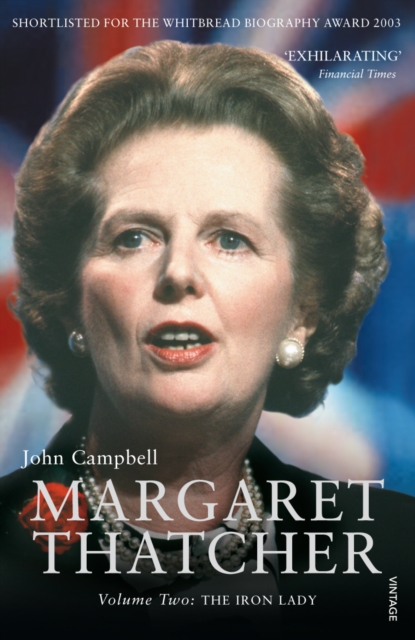
The first volume of John Campbell's biography of Margaret Thatcher was described by Frank Johnson in the Daily Telegraph as 'much the best book yet written about Lady Thatcher'.
Property-Owning Democracy: Rawls and Beyond features a collection of original essays that represent the first extended treatment of political philosopher John Rawls' idea of a property-owning democracy.
Property-Owning Democracy: Rawls and Beyond features a collection of original essays that represent the first extended treatment of political philosopher John Rawls' idea of a property-owning democracy.
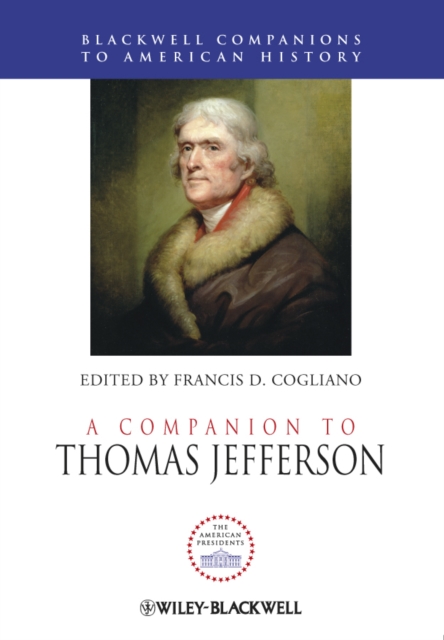
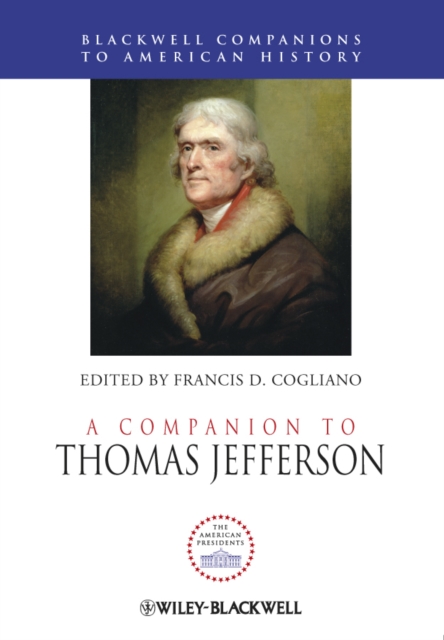
A Companion to Thomas Jefferson presents a state-of-the-art assessment and overview of the life and legacy of Thomas Jefferson through a collection of essays grounded in the latest scholarship.
A Companion to Thomas Jefferson presents a state-of-the-art assessment and overview of the life and legacy of Thomas Jefferson through a collection of essays grounded in the latest scholarship.
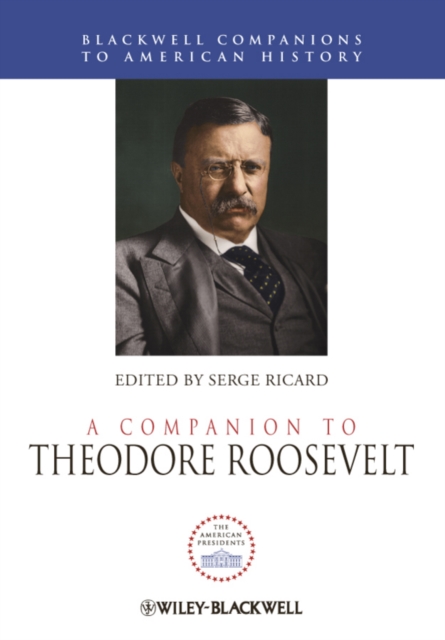
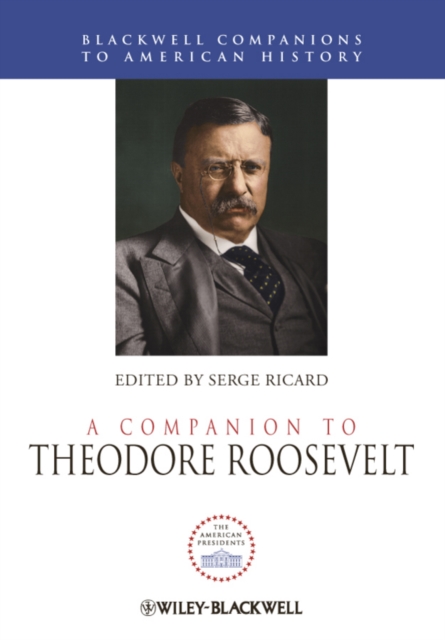
A Companion to Theodore Roosevelt is the first comprehensive anthology to encompass Roosevelt as whole, highlighting both his personality and his skilled diplomacy.
A Companion to Theodore Roosevelt is the first comprehensive anthology to encompass Roosevelt as whole, highlighting both his personality and his skilled diplomacy.
This book is a complete introduction to politics and the workings of government, Focusing on the institutions of government and the political systems operating in liberal democratic states, it will give you an understanding of the operations of these political systems, the key political themes and the differences that exist between them.
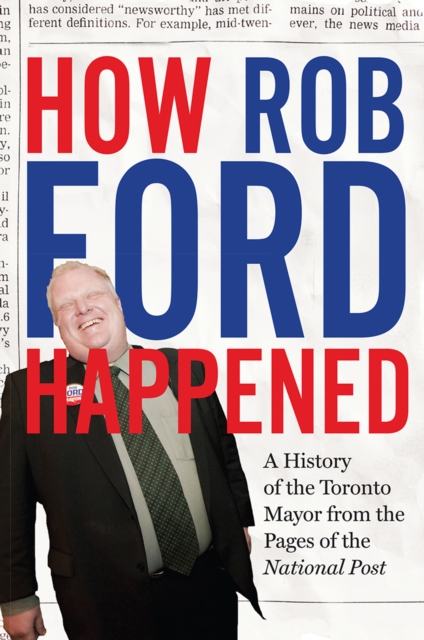
Drawing on a wealth of articles written by by National Post journalists including Christie Blatchford, Jonathan Kay, Andrew Coyne, Chris Selley and more, How Rob Ford Happened examines the precipitous rise and calamitous fall of one of the most controversial public figures in Canadian political history.
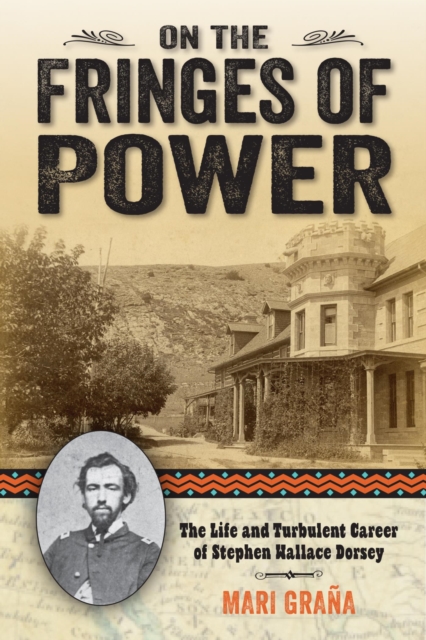
Touted in his time as one of the ';great men of the West,' Stephen Wallace Dorsey was a Reconstruction carpetbagger who went to Arkansas and finagled and bribed his way into getting elected to the US Senate after living only two years in the state before heading West to seek his fortune.
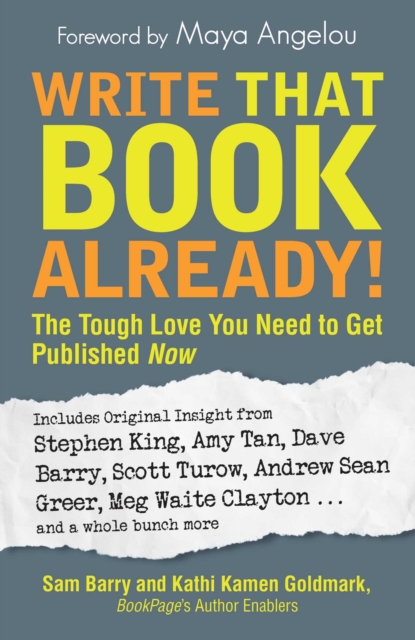
From the foreword by Maya Angelou:"e;[T]he joy they promise in their prose makes me glad that I and other writers have been willing to make good writing our aim, and even great writing our dream.
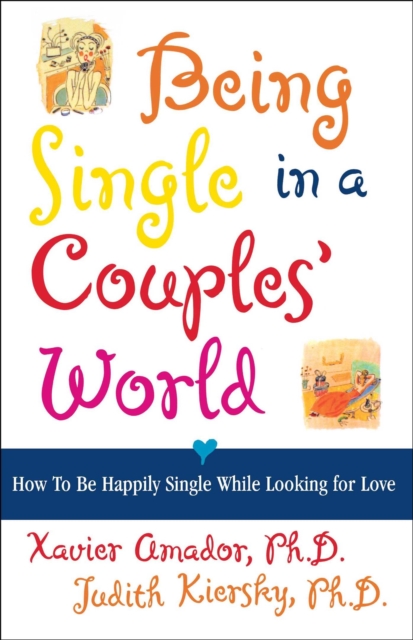
You Can Be Single and Happy Whether you are actively looking for a mate or have decided that marriage isn't what you want right now, psychotherapists Xavier Amador and Judith Kiersky can help you deal with the problems that come from being single in a couples' world.
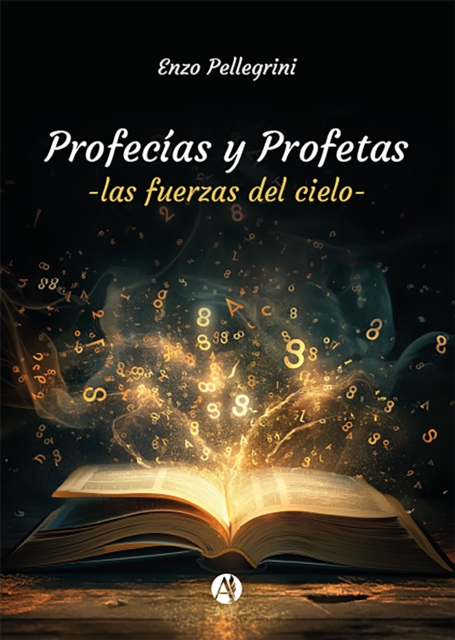
Este libro ofrece un recorrido fascinante a través del mundo de las profecías y los profetas, abarcando desde tiempos antiguos hasta figuras contemporáneas.
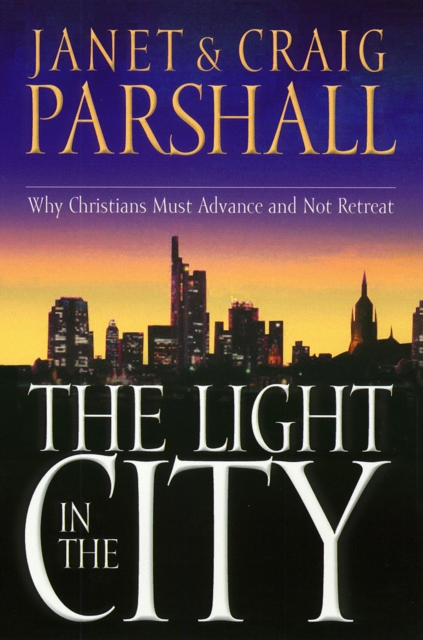
The numerous legal, moral, and social threats on the horizon in America have caused many Christians to wonder whether they can truly make a difference.
The most widely debated conception of democracy in recent years is deliberative democracy--the idea that citizens or their representatives owe each other mutually acceptable reasons for the laws they enact.
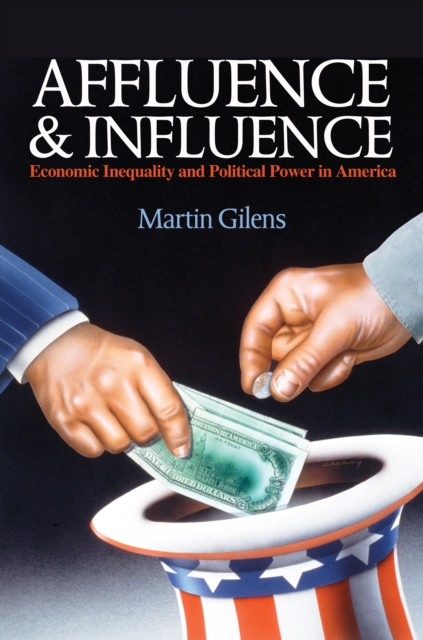
Why policymaking in the United States privileges the rich over the poorCan a country be a democracy if its government only responds to the preferences of the rich?