A leading foreign policy thinker uses Chinese political theory to explain why some powers rise as others decline and what this means for the international orderWhile work in international relations has closely examined the decline of great powers, not much attention has been paid to the question of their rise.
An incisive history of the changing relationship between democracy and capitalismThe twentieth century witnessed the triumph of democratic capitalism in the industrialized West, with widespread popular support for both free markets and representative elections.
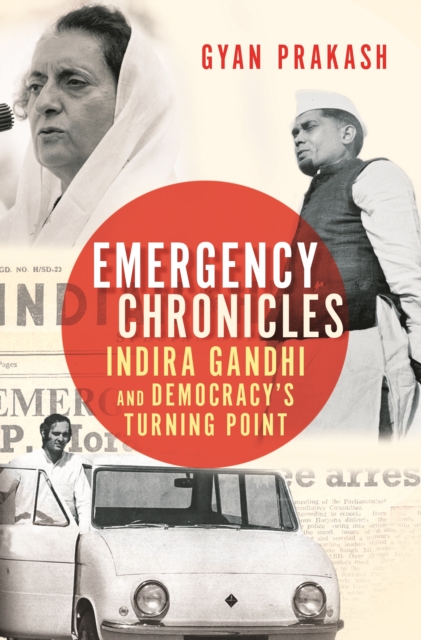
The gripping story of an explosive turning point in the history of modern IndiaOn the night of June 25, 1975, Indira Gandhi declared a state of emergency in India, suspending constitutional rights and rounding up her political opponents in midnight raids across the country.
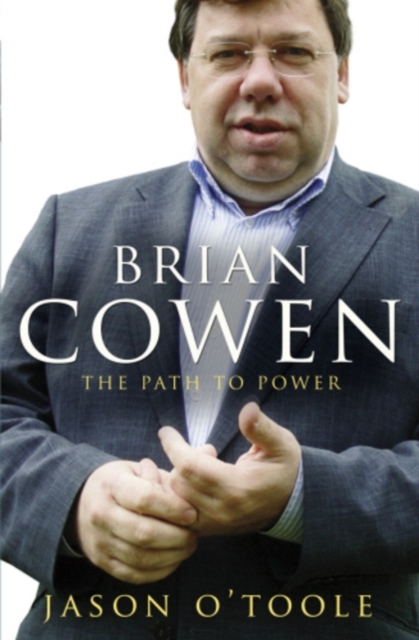
Meet Ireland's new Taoiseach, Brian CowenDespite a high profile at the centre of Irish political life for more than twenty years, relatively little is known about our new leader.
One of the most enduring dreams is of a Utopian society in which all possessions are held in common ownership, and there is never a quarrel over "e;mine"e; and "e;thine"e;.
The sensational story of Mimi Alford and the secret she kept for 40 years - her teenage affair with President John F Kennedy during her time as a White House Intern.
Two-term governor of Tennessee Bill Haslam reveals how faith--too often divisive and contentious--can be a redemptive and unifying presence in the public square.
SUNDAY TIMES NUMBER ONE BESTSELLERNEW YORK TIMES NUMBER ONE BESTSELLERWith extraordinary access to the Trump White House, Michael Wolff tells the inside story of the most controversial presidency of our time.
The first volume of Bernard Donoughue's Downing Street Diary was described by Charles Moore in the Daily Telegraph as 'the best account of Harold Wlson's last days'; 'the sheer scale and detail are fascinating' wrote Peter Riddell in the Times Literary Supplement.
This anthology gathers Giuseppe Mazzini's most important essays on democracy, nation building, and international relations, including some that have never before been translated into English.
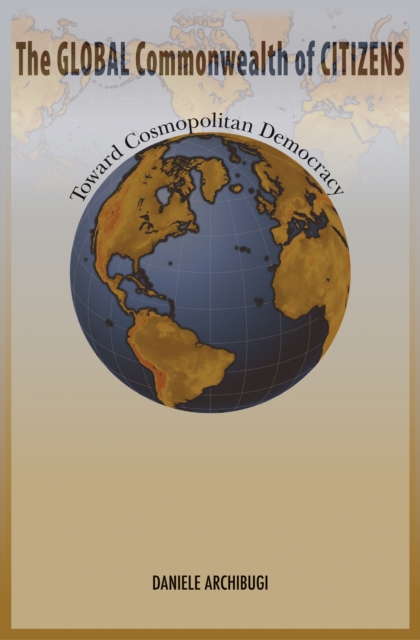
The Global Commonwealth of Citizens critically examines the prospects for cosmopolitan democracy as a viable and humane response to the challenges of globalization.
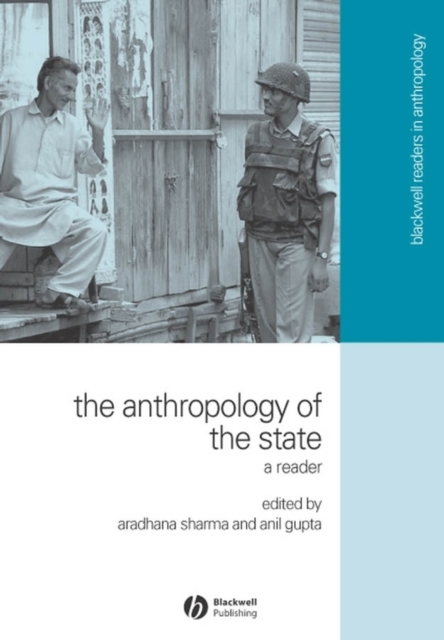
This innovative reader brings together classic theoretical texts and cutting-edge ethnographic analyses of specific state institutions, practices, and processes and outlines an anthropological framework for rethinking future study of the state .
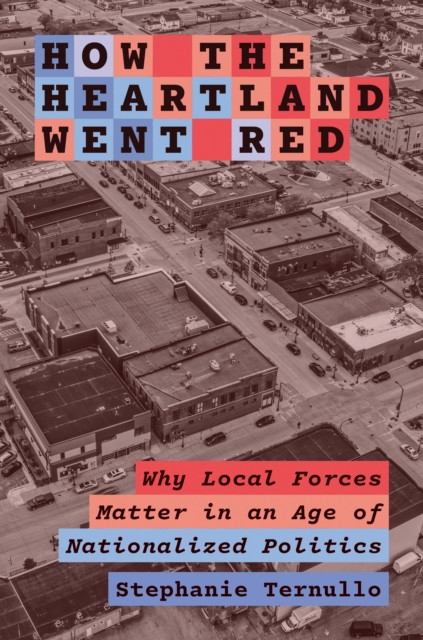
How local contexts help us understand why White voters in America's heartland are shifting to the rightOver the past several decades, predominantly White, postindustrial cities in America's agriculture and manufacturing center have flipped from blue to red.
How to sustain an international system of cooperation in the midst of geopolitical struggleCan the international economic and legal system survive today's fractured geopolitics?
An original and engaging account of the Obama years from a group of leading political historiansBarack Obama's election as the first African American president seemed to usher in a new era, and he took office in 2009 with great expectations.
How racism and discrimination have been central to democracies from the classical period to todayAs right-wing nationalism and authoritarian populism gain momentum across the world, liberals, and even some conservatives, worry that democratic principles are under threat.
How China's political model could prove to be a viable alternative to Western democracyWesterners tend to divide the political world into "e;good"e; democracies and "e;bad"e; authoritarian regimes.
How Woodrow Wilson's vision of making the world safe for democracy has been betrayed-and how America can fulfill it againThe liberal internationalist tradition is credited with America's greatest triumphs as a world power-and also its biggest failures.
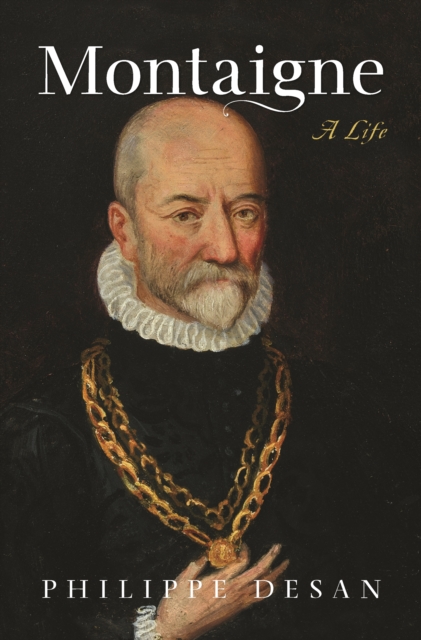
A definitive biography of the great French essayist and thinkerOne of the most important writers and thinkers of the Renaissance, Michel de Montaigne (1533-92) helped invent a literary genre that seemed more modern than anything that had come before.
An acclaimed examination of how the American political system favors the wealthy-now fully revised and expandedThe first edition of Unequal Democracy was an instant classic, shattering illusions about American democracy and spurring scholarly and popular interest in the political causes and consequences of escalating economic inequality.
A rigorous and comprehensive account of recent democratic transitions around the worldFrom the 1980s through the first decade of the twenty-first century, the spread of democracy across the developing and post-Communist worlds transformed the global political landscape.
The end of the Cold War was a "e;big bang"e; reminiscent of earlier moments after major wars, such as the end of the Napoleonic Wars in 1815 and the end of the world wars in 1919 and 1945.
The first book to trace the evolution of Russian politics from the Bolsheviks to PutinWhen the Soviet Union collapsed, many hoped that Russia's centuries-long history of autocratic rule might finally end.
Twenty essential tips for picking great leaders from the father of modern politicsOne of the greatest political advisers of all time, Niccolo Machiavelli thought long and hard about how citizens could identify great leaders-ones capable of defending and enhancing the liberty, honor, and prosperity of their countries.