How social media is giving rise to a chaotic new form of politicsAs people spend increasing proportions of their daily lives using social media, such as Twitter and Facebook, they are being invited to support myriad political causes by sharing, liking, endorsing, or downloading.
Why compromise is essential for effective government and why it is missing in politics todayTo govern in a democracy, political leaders have to compromise.
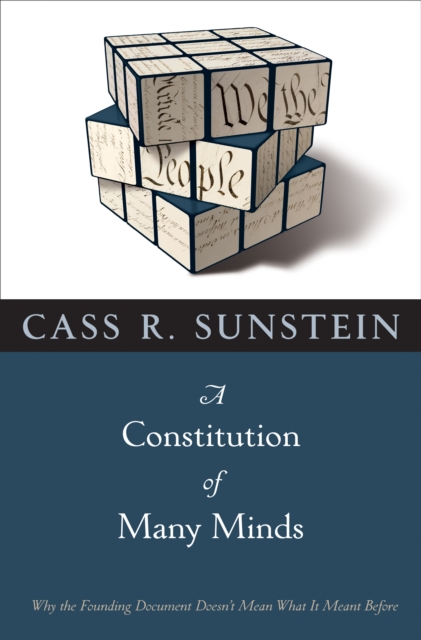
Armed interventions in Libya, Haiti, Iraq, Vietnam, and Korea challenged the US president and Congress with a core question of constitutional interpretation: does the president, or Congress, have constitutional authority to take the country to war?
A colorful, comprehensive, and authoritative account of Machiavelli's life and thoughtThis is a colorful, comprehensive, and authoritative introduction to the life and work of the Florentine statesman, writer, and political philosopher Niccolo Machiavelli (1469-1527).
Why India's problems won't be solved by rapid economic growth aloneWhen India became independent in 1947 after two centuries of colonial rule, it immediately adopted a firmly democratic political system, with multiple parties, freedom of speech, and extensive political rights.
The Soldier and the Changing State is the first book to systematically explore, on a global scale, civil-military relations in democratizing and changing states.
How to adapt democracy to the accelerating pace of technological change-and why it's critical that we doSuccessful democracies throughout history-from ancient Athens to Britain on the cusp of the industrial age-have used the technology of their time to gather information for better governance.
Local government is the hidden leviathan of American politics: it accounts for nearly a tenth of gross domestic product, it collects nearly as much in taxes as the federal government, and its decisions have an enormous impact on Americans' daily lives.
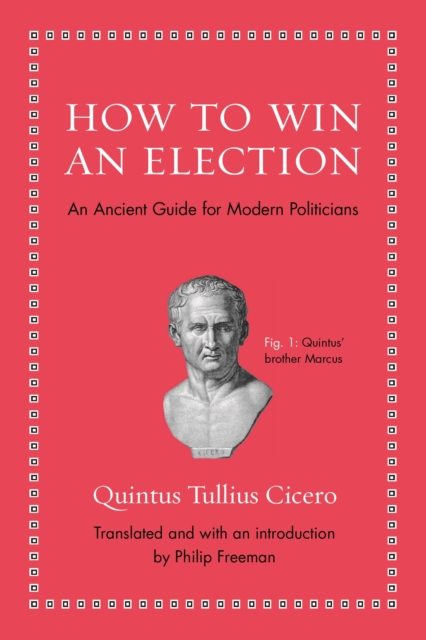
A primer on campaigning in ancient Rome that reads like a strategy memo from a modern political consultantHow to Win an Election is an ancient Roman guide for campaigning that is as up-to-date as tomorrow's headlines.
Nearly five hundred times in the past century, American presidents have deployed the nation's military abroad, on missions ranging from embassy evacuations to full-scale wars.
Political campaigns today are won or lost in the so-called ground war--the strategic deployment of teams of staffers, volunteers, and paid part-timers who work the phones and canvass block by block, house by house, voter by voter.
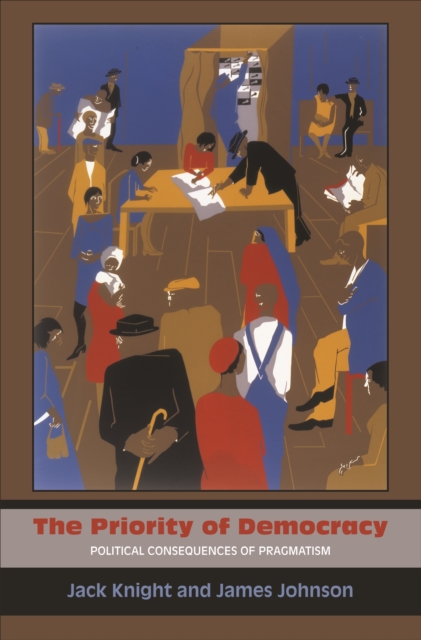
Why democracy is the best way of deciding how decisions should be madePragmatism and its consequences are central issues in American politics today, yet scholars rarely examine in detail the relationship between pragmatism and politics.
Party competition for votes in free and fair elections involves complex interactions by multiple actors in political landscapes that are continuously evolving, yet classical theoretical approaches to the subject leave many important questions unanswered.
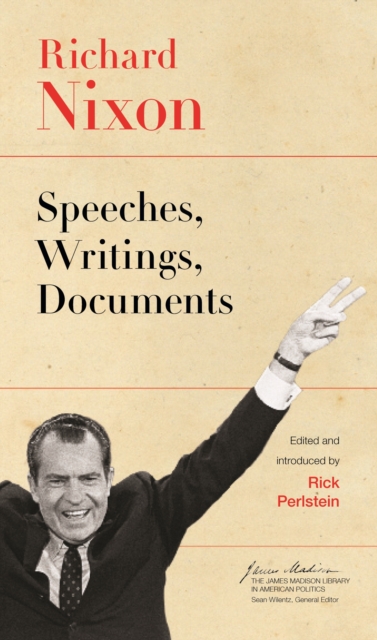
The first book to present America's most controversial president in his own words across his entire career, this unique collection of Richard Nixon's most important writings dramatically demonstrates why he has had such a profound impact on American life.
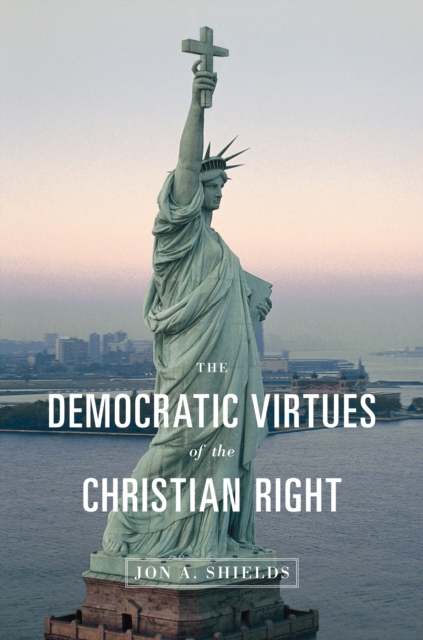
Why religion must be separated from politics if democracy is to thrive around the worldFor eight years the president of the United States was a born-again Christian, backed by well-organized evangelicals who often seemed intent on erasing the church-state divide.
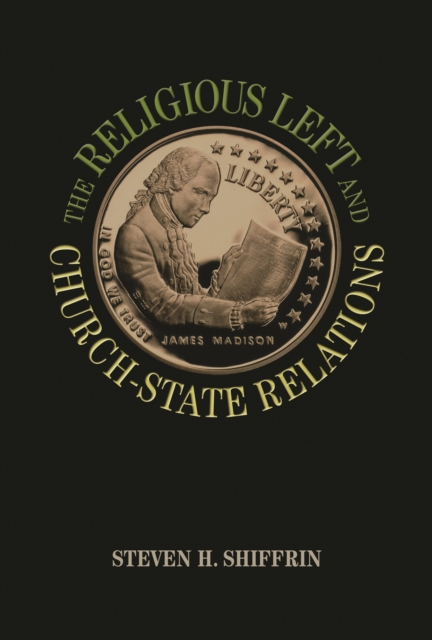
In The Religious Left and Church-State Relations, noted constitutional law scholar Steven Shiffrin argues that the religious left, not the secular left, is best equipped to lead the battle against the religious right on questions of church and state in America today.
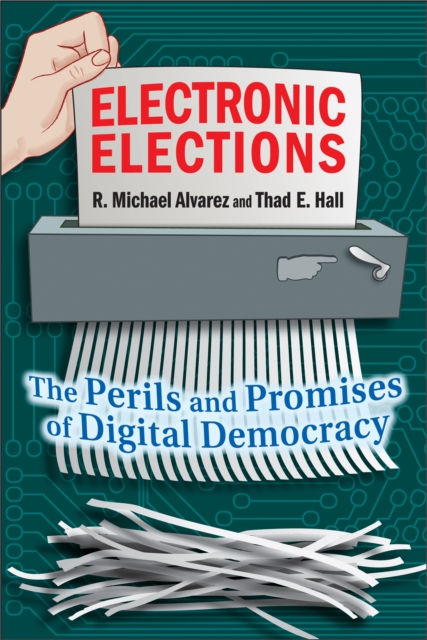
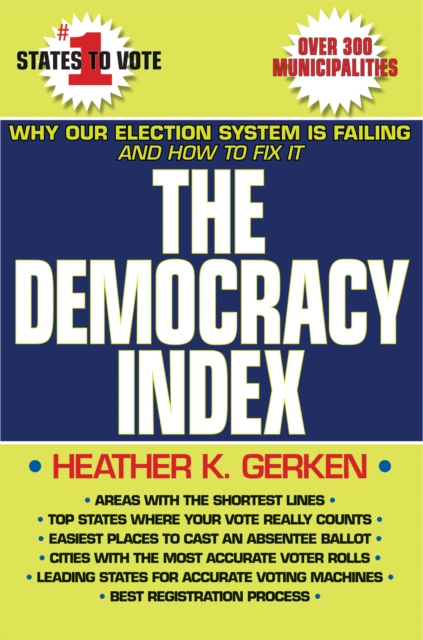
Despite howls for reform, the only thing separating us from another election disaster of the kind that hit Florida in 2000, and that almost struck again in Ohio in 2004, may simply be another close vote.
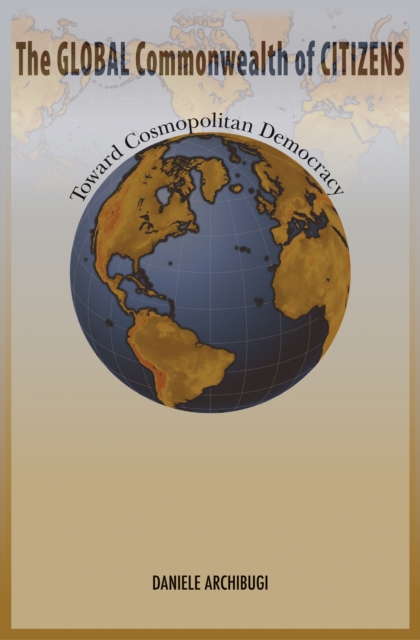
The Global Commonwealth of Citizens critically examines the prospects for cosmopolitan democracy as a viable and humane response to the challenges of globalization.
In this provocative book, Stein Ringen argues that the world's democracies are failing to live up to their ideals--the United States and Great Britain most especially.
A leading historian reveals the radical origins of humanity's most cherished secular valuesDemocracy, free thought and expression, religious tolerance, individual liberty, political self-determination of peoples, sexual and racial equality-these values have firmly entered the mainstream in the decades since they were enshrined in the 1948 U.