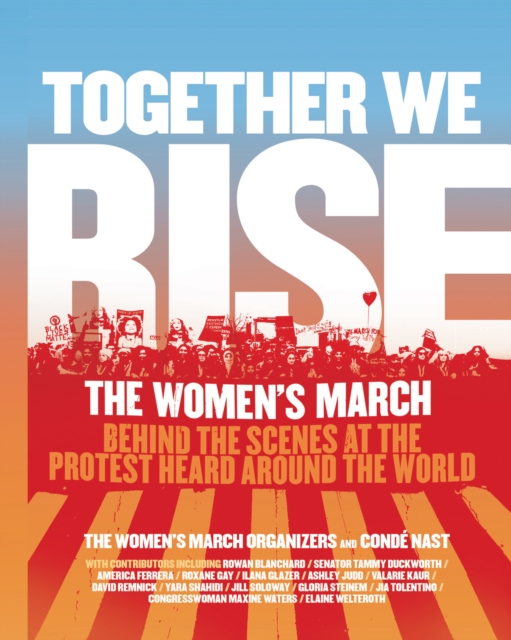
In celebration of the one-year anniversary of Womens March, this gorgeously designed full-color book offers an unprecedented, front-row seat to one of the most galvanizing movements in American history, with exclusive interviews with Womens March organizers, never-before-seen photographs, and essays by feminist activists.
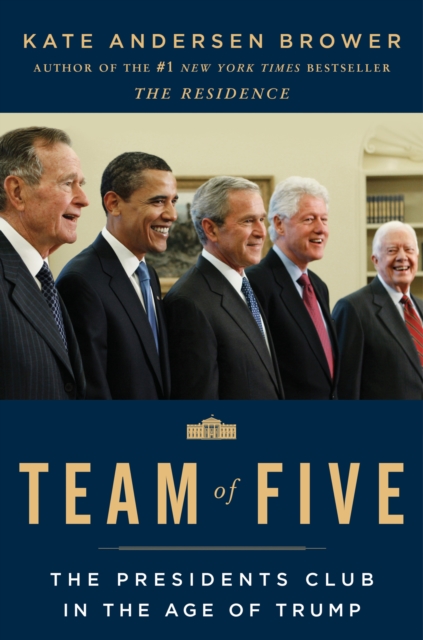
USA TodayBestsellerFrom the #1 New York Times bestselling author of The Residence and First Womenalso a New York Times bestsellercomes a poignant, news-making look at the lives of the five former presidents in the wake of their White House years, including the surprising friendships they have formed through shared perspective and empathy.
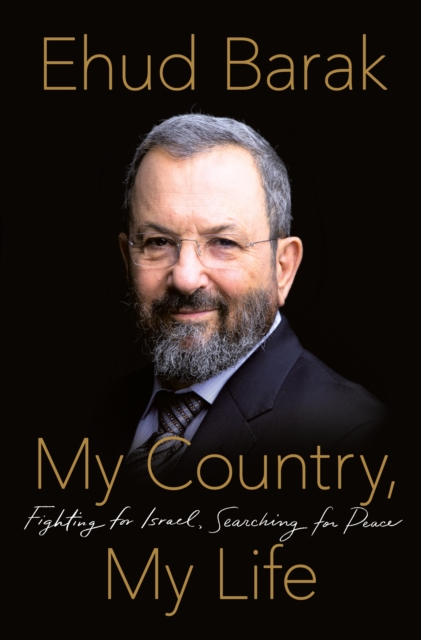
From the former Prime Minister and most decorated solder in Israel's history, this is essential reading to understand today's Israel-Palestine conflict and the precarious path to a two-state solution.
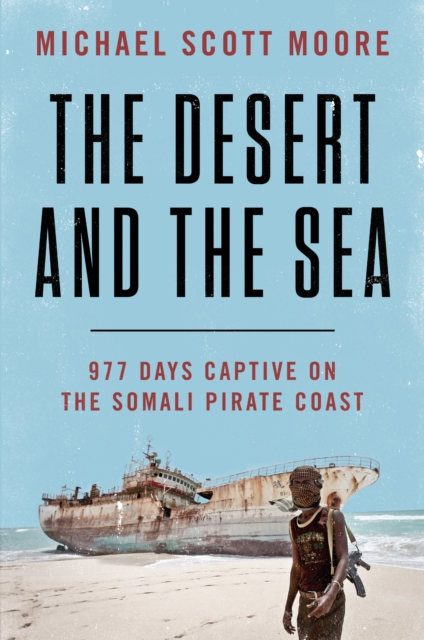
Michael Scott Moore, a journalist and the author of Sweetness and Blood, incorporates personal narrative and rigorous investigative journalism in this profound and revelatory memoir of his three-year captivity by Somali piratesa riveting,thoughtful, and emotionally resonant exploration of foreign policy, religious extremism, and the costs of survival.
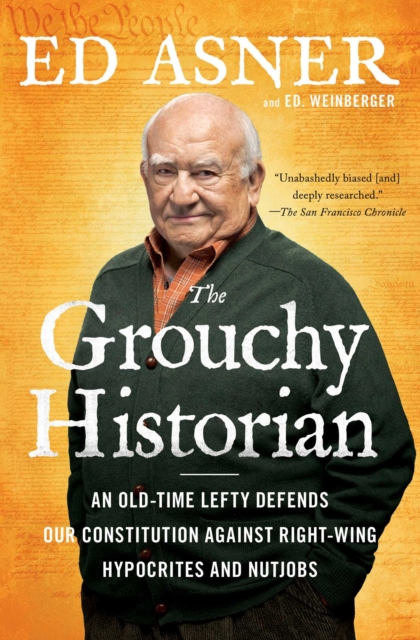
In ';an unabashedly biased, deeply researched book' (SF Gate), Ed Asnerthe actor who starred as Lou Grant on The Mary Tyler Moore Showreclaims the Constitution from the right-wingers who think that they and only they know how to interpret it.
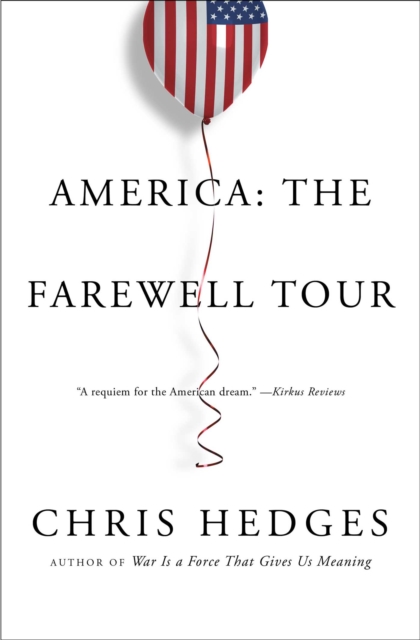
Chris Hedges's profound and unsettling examination of America in crisis is ';an exceedinglyprovocative book, certain to arouse controversy, but offering a point of view that needs to be heard' (Booklist), about how bitter hopelessness and malaise have resulted in a culture of sadism and hate.
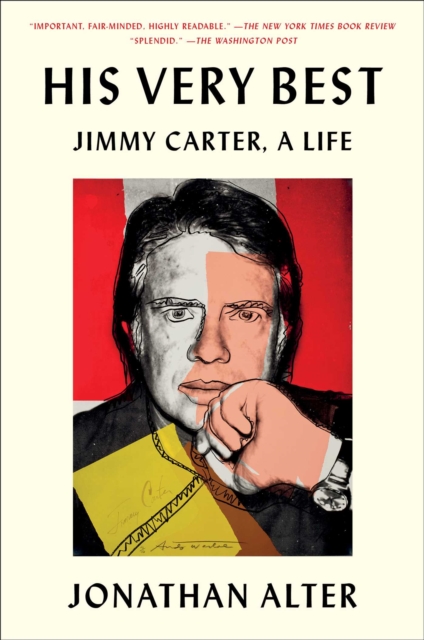
From one of America's most respected journalists and modern historians comes the highly acclaimed, ';splendid' (The Washington Post) biography of Jimmy Carter, the thirty-ninth president of the United States and Nobel Prizewinning humanitarian.
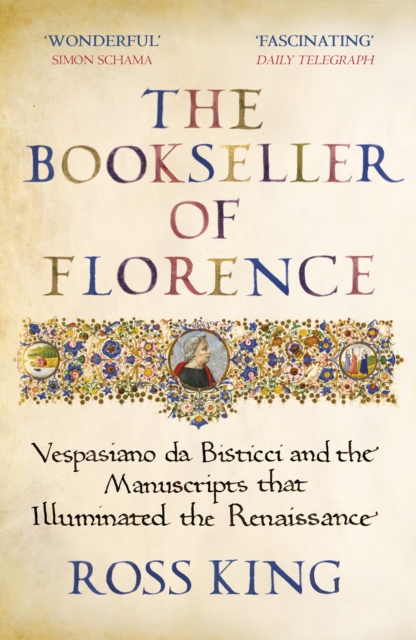
'A marvel of storytelling and a masterclass in the history of the book' WALL STREET JOURNALThe Renaissance in Florence conjures images of beautiful frescoes and elegant buildings - the dazzling handiwork of the city's artists and architects.
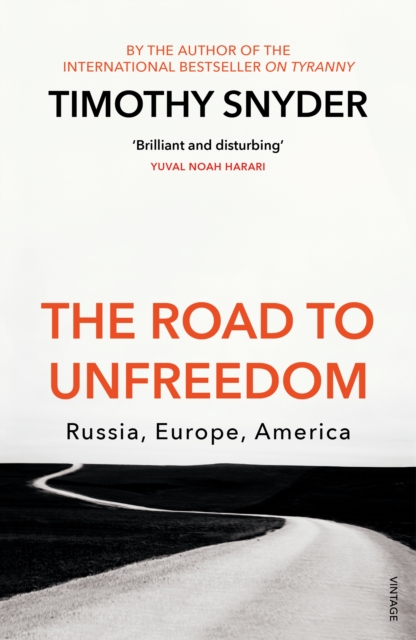
From the author of international bestseller On Tyranny, this prescient analysis of Russia's ongoing interference in the West is now more relevant than ever.
**NEW YORK TIMES #1 BESTSELLER **THE BOOK TO HELP YOU UNDERSTAND WHY DEMOCRACY IS FAILING IN 2025 The most coherent manifesto on confronting Trump New StatesmanIn the twentieth century, European democracies collapsed into fascism, Nazism and communism.
How cable television upended American political life in the pursuit of profits and influenceAs television began to overtake the political landscape in the 1960s, network broadcast companies, bolstered by powerful lobbying interests, dominated screens across the nation.
The most dramatic, revealing and little-known story in Turkey's history - which illuminates the nation'Through the spellbinding career of a single, ill-fated leader, Jeremy Seal illuminates a bitterly divided country' Colin Thubron'Read this book if you're interested in Turkey.
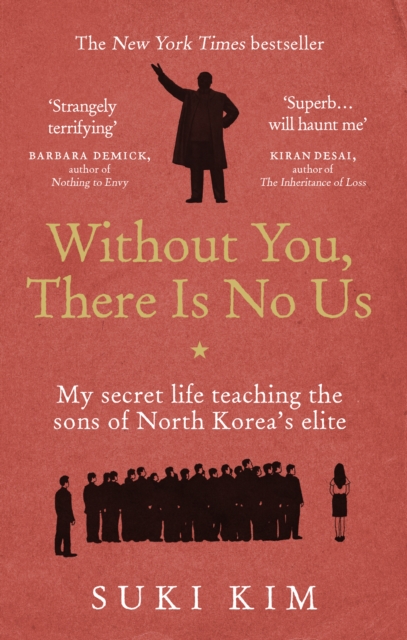
It is 2011, and all universities in North Korea have been shut down for an entire year, except for the all-male Pyongyang University of Science and Technology.
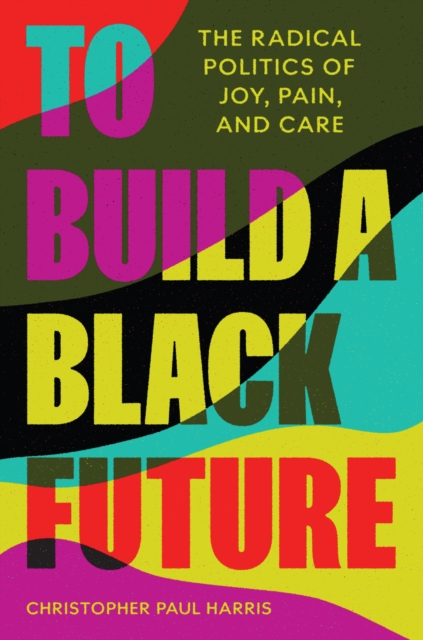
An incisive portrait of how the new Black politics can forge a future centered on collective action, community, and careWhen #BlackLivesMatter emerged in 2013, it animated the most consequential Black-led mobilization since the civil rights and Black power era.
When her mother, Sarah Palin, became the Republican Vice-Presidential candidate in 2008, Bristol Palin was instantly propelled into the national spotlight, becoming the focus of intense public and national media scrutiny at the age of seventeen.
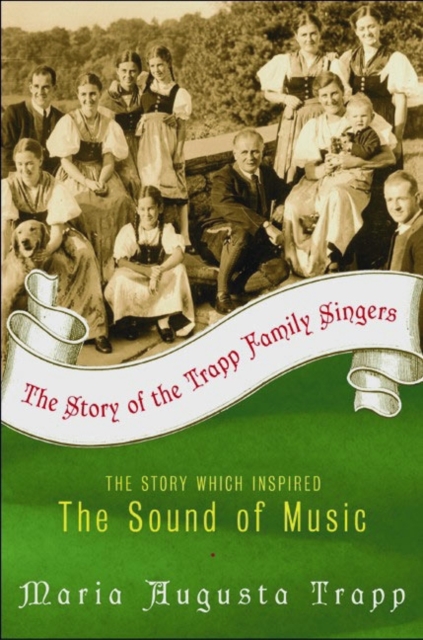
With nearly 1,500 Broadway performances, six Tony Awards, more than three million albums sold, and five Academy Awards, The Sound of Music, based on the lives of Maria, the baron, and their singing children, is as familiar to most of us as our own family history.
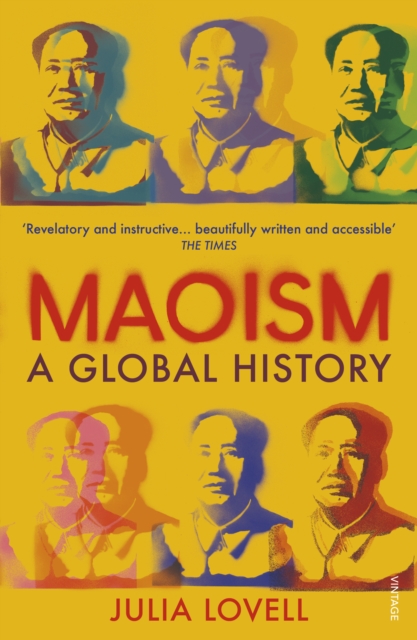
WINNER OF THE CUNDILL HISTORY PRIZE 2019SHORLISTED FOR THE BAILLIE GIFFORD PRIZE 2019'A landmark work giving a global panorama of Mao's ideology filled with historic events and enlivened by striking characters' Jonathan Fenby, author of The Penguin History of China'Wonderful' Andrew Marr, New StatesmanSince the 1980s, China seems to have abandoned the utopian turmoil of Mao's revolution in favour of authoritarian capitalism.
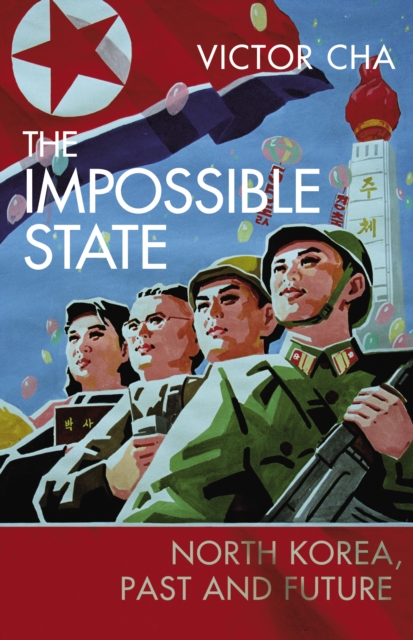
The definitive account of North Korea - its veiled past and uncertain future - from former White House adviser and Korea expert Victor Cha We killed Americans.
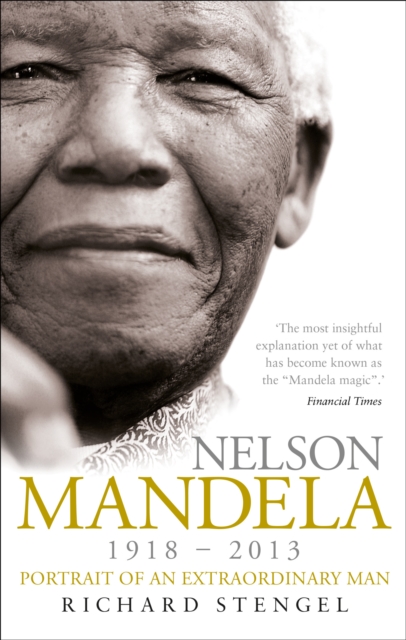
Previously published as Mandela's WayWritten by the co-author of international bestseller Long Walk to Freedom, Nelson Mandela: Portrait of an Extraordinary Man presents fifteen powerful lessons on life and leadership based on the life and work of Nelson Mandela (1918 - 2013), whose fight against apartheid in South Africa has become an enduring example of resistance against injustice and oppression.
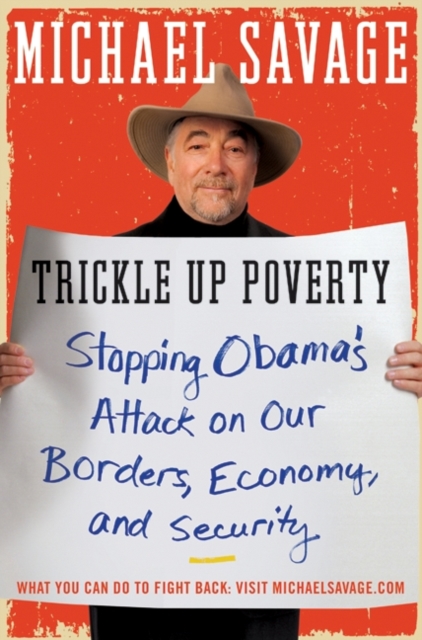
Michael Savage-conservative talk radio host and #1 New York Times bestselling author-takes on President Obama's socialist agenda, his Chicago-style strong-arm tactics, and his Lenin-like complex in Trickle Up Poverty.
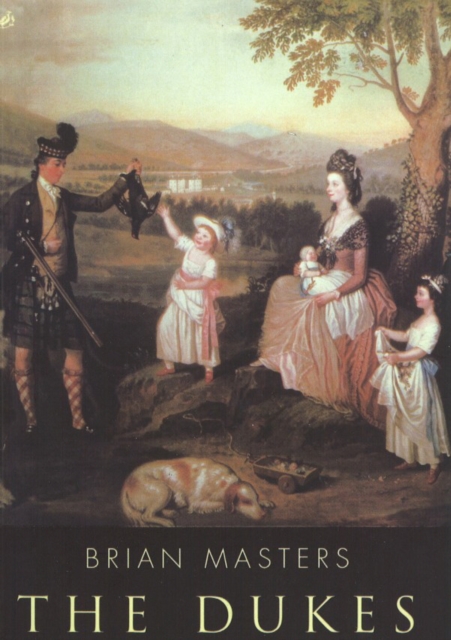
The origins of the non-royal dukes in the British peerage divide nicely into Tudor looters, Royal bastards, opportunist generals, territorial, metropolitan or Scottish magnates.
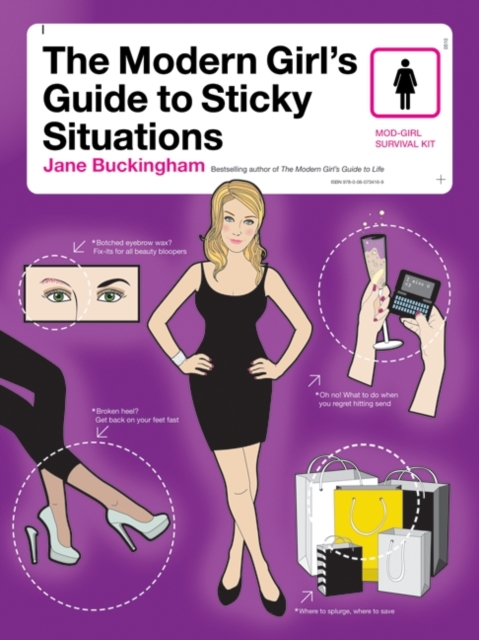
The author of the phenomenally popular Modern Girls Guide to Life, Jane Buckingham is back with The Modern Girls Guide to Sticky Situations, a helpful handbook for surviving headaches, pickles, jams, and everyday emergencies.