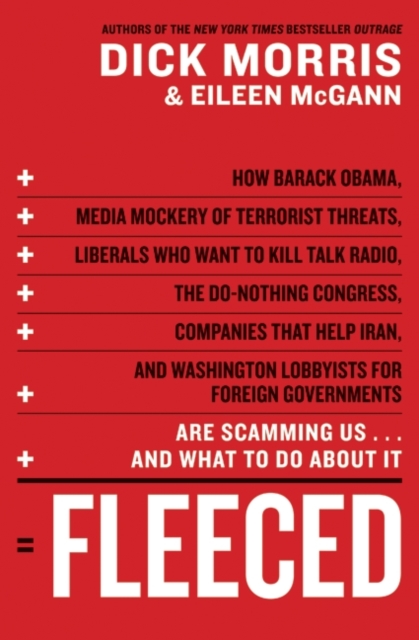
Here are the facts:The United States has released 425 terrorists from Guantnamo, at least 50 of whom have returned to the battlefield to fight our troops.
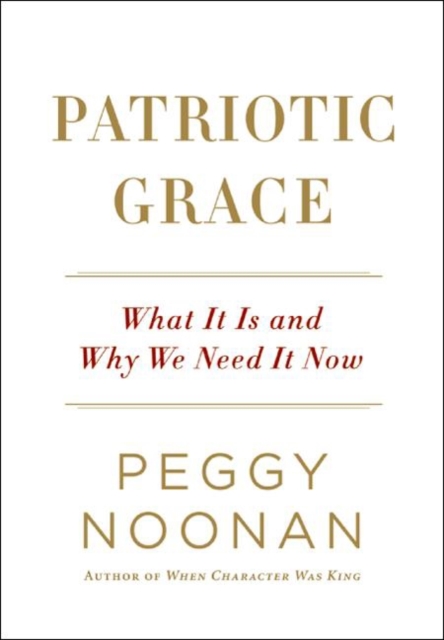
In this long season of searing political attacks and angry partisan passions, Peggy Noonan's Wall Street Journal column has been must reading for thoughtful liberals and conservatives alike.
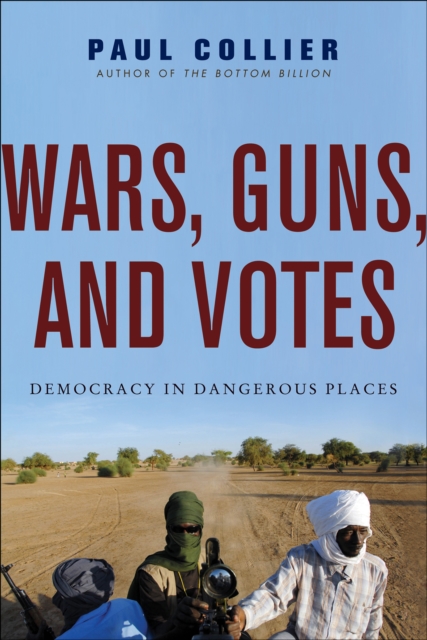
An expert on developing nations offers "e;accessible and very sensible analysis"e; of America's promotion of democracy abroad-and why it often fails (Publishers Weekly).
Jewelry isnt ordinarily a tool of political persuasion, but in this beautiful book, Madeleine Albright, American ambassador to the United Nations and then the nations first female secretary of state, tells the compelling story of how these small objects became part of her personal diplomatic arsenal.
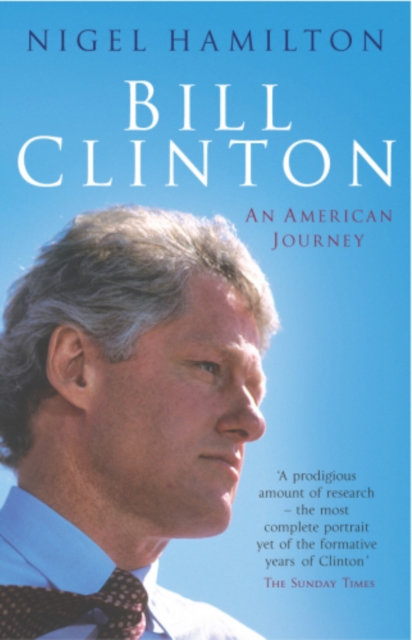
Nigel Hamilton brings all the magisterial authority he brought to his Whitbread-winning biography of Monty, and all the talent for tracking down and verifying hidden, controversial material that he showed in JFK: Reckless Youth, which topped the American bestseller charts for months, in this new biography of Bill Clinton.
From the New York Times bestselling author of Nudge and The World According to Star Wars, a revealing account of how today's Internet threatens democracy-and what can be done about itAs the Internet grows more sophisticated, it is creating new threats to democracy.
How American political participation is increasingly being shaped by citizens who wield more resourcesThe Declaration of Independence proclaims equality as a foundational American value.
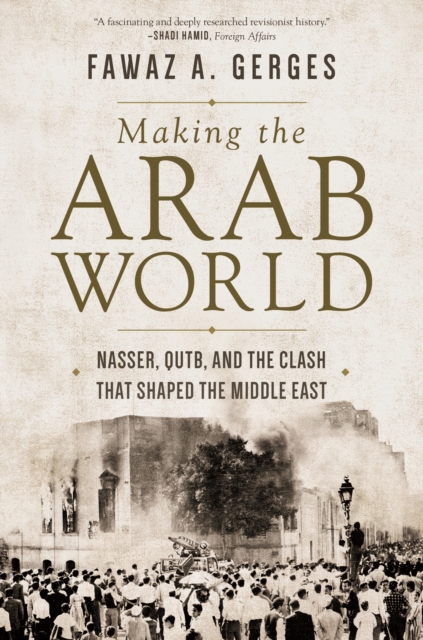
How the conflict between political Islamists and secular-leaning nationalists has shaped the history of the modern Middle EastIn 2013, just two years after the popular overthrow of Hosni Mubarak, the Egyptian military ousted the country's first democratically elected president-Mohamed Morsi of the Muslim Brotherhood-and subsequently led a brutal repression of the Islamist group.
A groundbreaking and surprising look at contemporary censorship in ChinaAs authoritarian governments around the world develop sophisticated technologies for controlling information, many observers have predicted that these controls would be ineffective because they are easily thwarted and evaded by savvy Internet users.
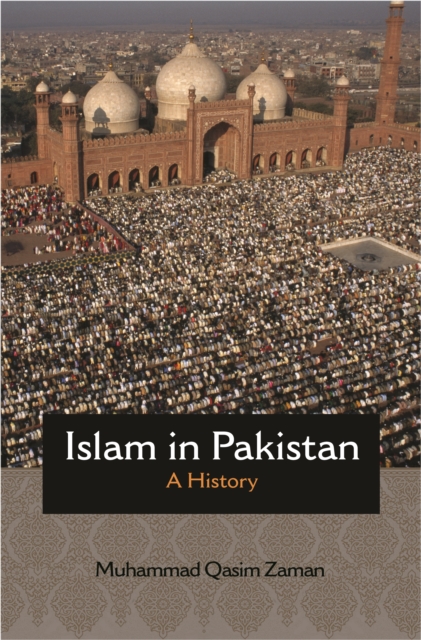
The first book to explore the modern history of Islam in South AsiaThe first modern state to be founded in the name of Islam, Pakistan was the largest Muslim country in the world at the time of its establishment in 1947.
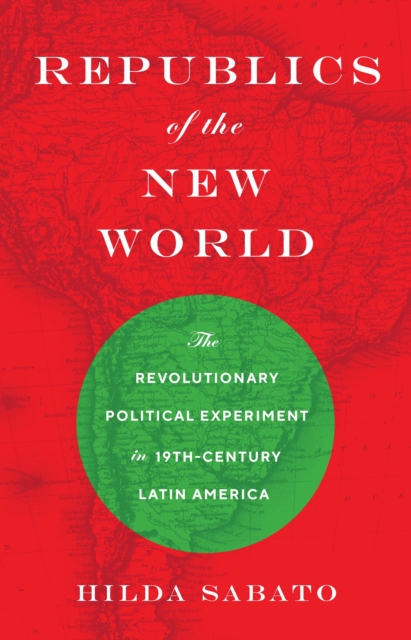
A sweeping history of Latin American republicanism in the nineteenth centuryBy the 1820s, after three centuries under imperial rule, the former Spanish territories of Latin America had shaken off their colonial bonds and founded independent republics.
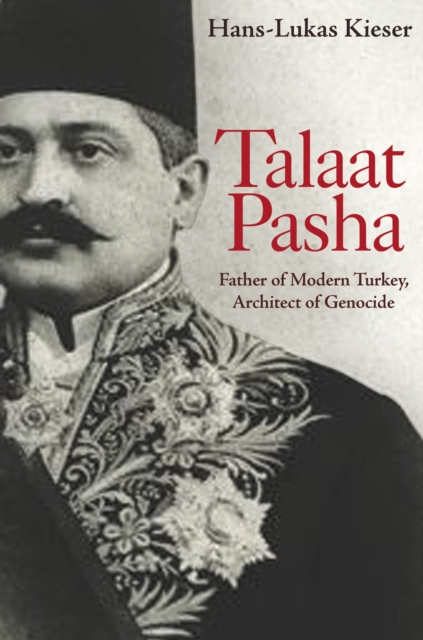
The first English-language biography of the de facto ruler of the late Ottoman Empire and architect of the Armenian GenocideTalaat Pasha (1874-1921) led the triumvirate that ruled the late Ottoman Empire during World War I and is arguably the father of modern Turkey.
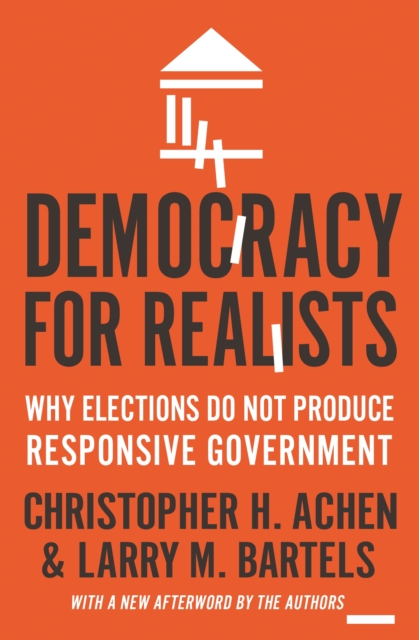
Why our belief in government by the people is unrealistic-and what we can do about itDemocracy for Realists assails the romantic folk-theory at the heart of contemporary thinking about democratic politics and government, and offers a provocative alternative view grounded in the actual human nature of democratic citizens.
A bracingly provocative challenge to one of our most cherished ideas and institutionsMost people believe democracy is a uniquely just form of government.
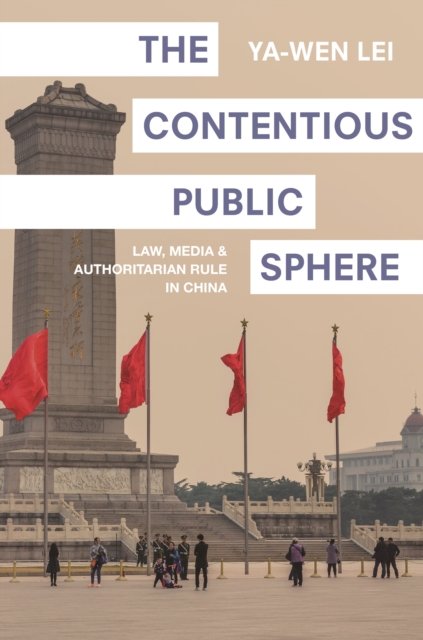
Since the mid-2000s, public opinion and debate in China have become increasingly common and consequential, despite the ongoing censorship of speech and regulation of civil society.
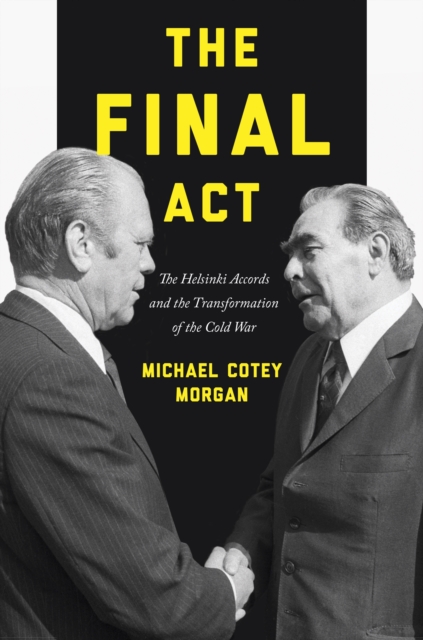
The first in-depth account of the historic diplomatic agreement that served as a blueprint for ending the Cold WarThe Helsinki Final Act was a watershed of the Cold War.
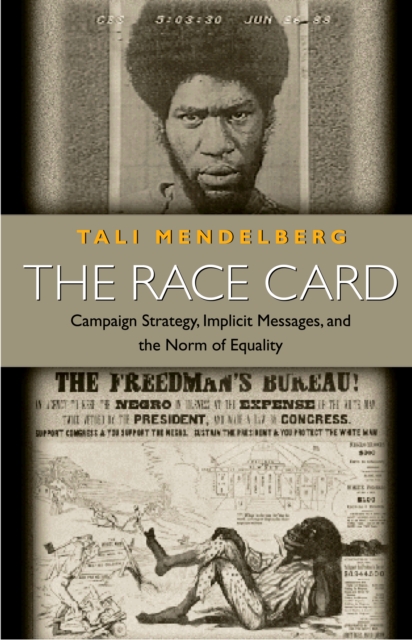
Did George Bush's use of the Willie Horton story during the1988 presidential campaign communicate most effectively when no one noticed its racial meaning?
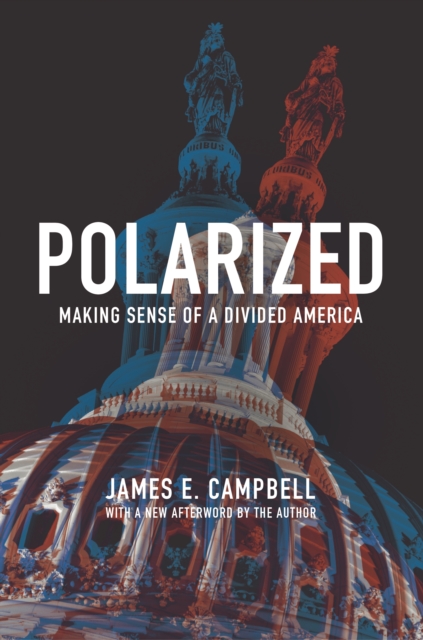
An eye-opening look at how and why America has become so politically polarizedMany continue to believe that the United States is a nation of political moderates.
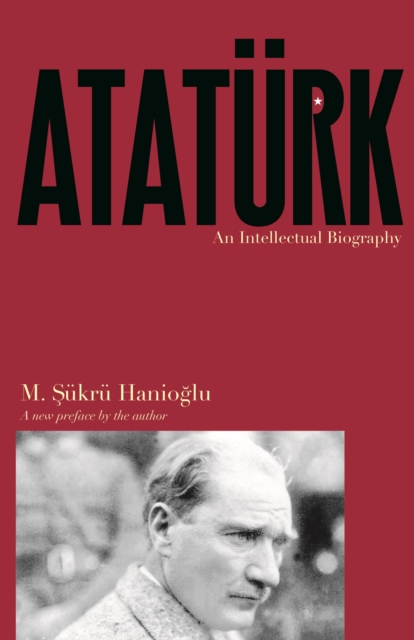
A biography of the founder of modern Turkey that chronicles the ideas that shaped himWhen Mustafa Kemal Ataturk became the first president of Turkey in 1923, he set about transforming his country into a secular republic where nationalism sanctified by science-and by the personality cult Ataturk created around himself-would reign supreme as the new religion.
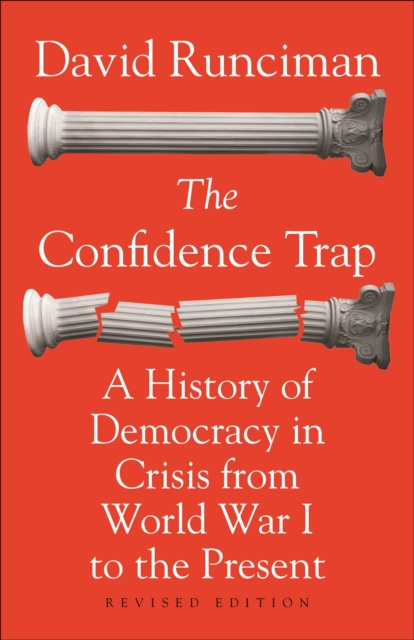
Over the past century, democracy spread around the world in turbulent bursts of change, sweeping across national borders in dramatic cascades of revolution and reform.
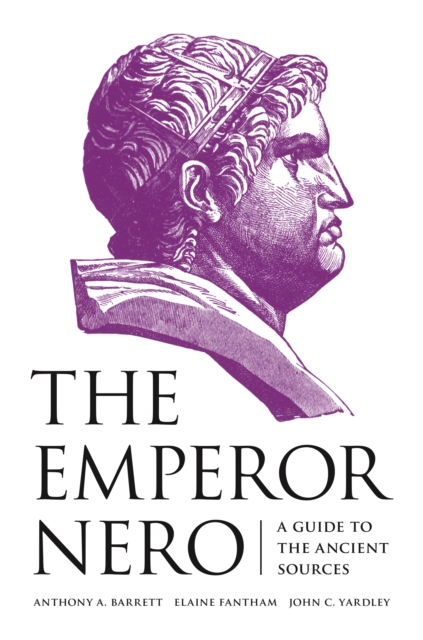
Nero's reign (AD 54-68) witnessed some of the most memorable events in Roman history, such as the rebellion of Boudica and the first persecution of the Christians-not to mention Nero's murder of his mother, his tyranny and extravagance, and his suicide, which plunged the empire into civil war.
Millions of Americans-including many experienced politicians-viewed Barack Obama through a prism of high expectations, based on a belief in the power of presidential persuasion.
Few transformations in American politics have been as important as the integration of African Americans into the Democratic Party and the Republican embrace of racial policy conservatism.
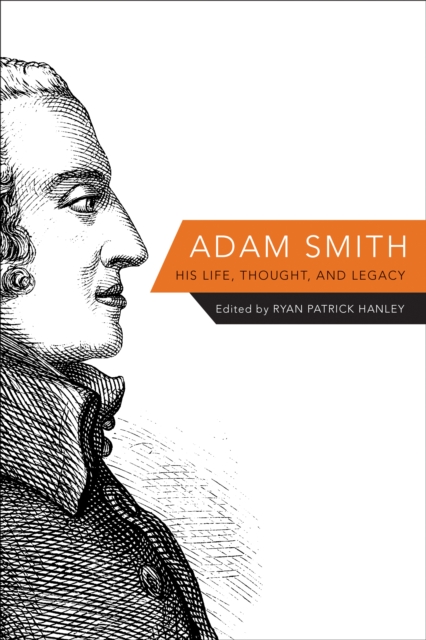
The essential guide to the life, thought, and legacy of Adam SmithAdam Smith (1723-90) is perhaps best known as one of the first champions of the free market and is widely regarded as the founding father of capitalism.
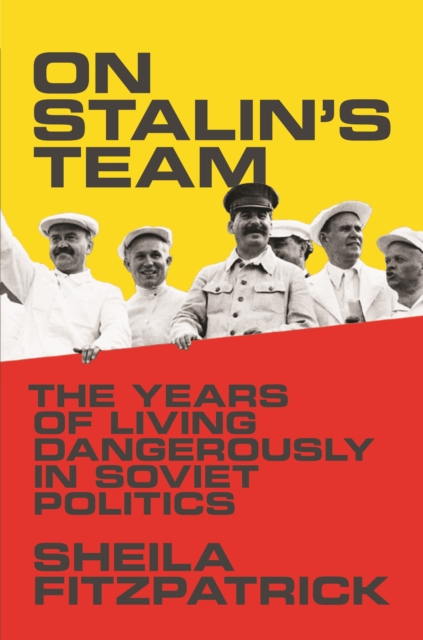
The first chronicle of Stalin's inner political and social circle-from a leading Soviet historianStalin was the unchallenged dictator of the Soviet Union for so long that most historians have dismissed the officials surrounding him as mere yes-men and political window dressing.
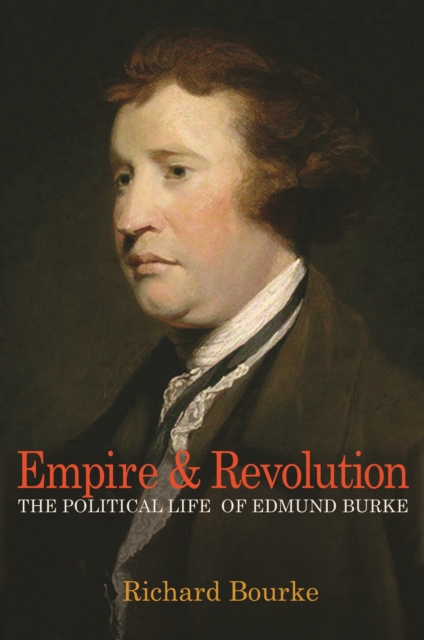
A major new account of one of the leading philosopher-statesmen of the eighteenth centuryEdmund Burke (1730-97) lived during one of the most extraordinary periods of world history.
Why churches in some democratic nations wield enormous political power while churches in other democracies don'tIn some religious countries, churches have drafted constitutions, restricted abortion, and controlled education.
Europe's long sixteenth century-a period spanning the years roughly from the voyages of Columbus in the 1490s to the English Civil War in the 1640s-was an era of power struggles between avaricious and unscrupulous princes, inquisitions and torture chambers, and religious differences of ever more violent fervor.
How political incivility broadcast in close-up by the media affects public opinionAmericans are disgusted with watching politicians screaming and yelling at one another on television.
Constituents often fail to hold their representatives accountable for federal spending decisions-even though those very choices have a pervasive influence on American life.