A major work by one of America's eminent political scientists, Political Organizations has had a profound impact on how we view the influence of interest groups on policymaking.
Why the world's most resilient dictatorships are products of violent revolutionRevolution and Dictatorship explores why dictatorships born of social revolution-such as those in China, Cuba, Iran, the Soviet Union, and Vietnam-are extraordinarily durable, even in the face of economic crisis, large-scale policy failure, mass discontent, and intense external pressure.
In Outside Lobbying, Ken Kollman explores why and when interest group leaders in Washington seek to mobilize the public in order to influence policy decisions in Congress.
In The Paradox of Representation David Lublin offers an unprecedented analysis of a vast range of rigorous, empirical evidence that exposes the central paradox of racial representation: Racial redistricting remains vital to the election of African Americans and Latinos but makes Congress less likely to adopt policies favored by blacks.
As national political fights are waged at the state level, democracy itself pays the priceOver the past generation, the Democratic and Republican parties have each become nationally coordinated political teams.
How policies forged after September 11 were weaponized under Trump and turned on American democracy itselfIn the wake of the September 11 terror attacks, the American government implemented a wave of overt policies to fight the nation's enemies.
America's increasing racial and ethnic diversity is viewed by some as an opportunity to challenge and so reinforce the country's social fabric; by others, as a portent of alarming disunity.
A riveting account of how a popularly elected leader has steered the world's largest democracy toward authoritarianism and intoleranceOver the past two decades, thanks to Narendra Modi, Hindu nationalism has been coupled with a form of national-populism that has ensured its success at the polls, first in Gujarat and then in India at large.
How remittances-money sent by workers back to their home countries-support democratic expansionIn the growing body of work on democracy, little attention has been paid to its links with migration.
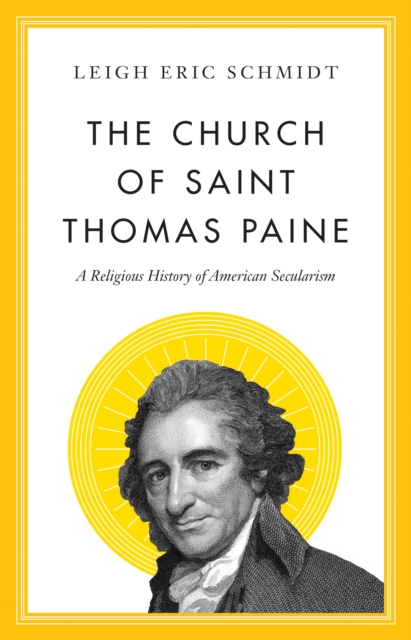
The forgotten story of the nineteenth-century freethinkers and twentieth-century humanists who tried to build their own secular religionIn The Church of Saint Thomas Paine, Leigh Eric Schmidt tells the surprising story of how freethinking liberals in nineteenth-century America promoted a secular religion of humanity centered on the deistic revolutionary Thomas Paine (1737-1809) and how their descendants eventually became embroiled in the culture wars of the late twentieth century.
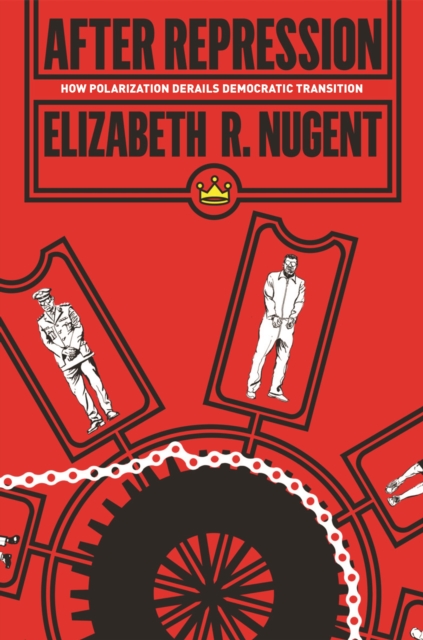
How differing forms of repression shape the outcomes of democratic transitionsIn the wake of the Arab Spring, newly empowered factions in Tunisia and Egypt vowed to work together to establish democracy.
A revealing look at Jewish men and women who secretly explore the outside world, in person and online, while remaining in their ultra-Orthodox religious communities What would you do if you questioned your religious faith, but revealing that would cause you to lose your family and the only way of life you had ever known?
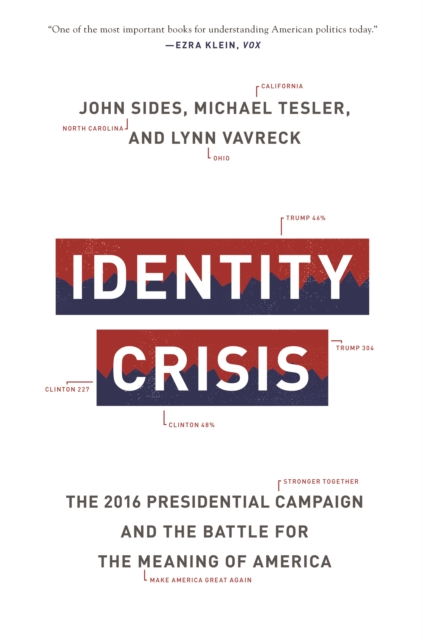
A gripping in-depth look at the presidential election that stunned the worldDonald Trump's election victory resulted in one of the most unexpected presidencies in history.
A groundbreaking new historical analysis of how global capitalism and advanced democracies mutually support each otherIt is a widespread view that democracy and the advanced nation-state are in crisis, weakened by globalization and undermined by global capitalism, in turn explaining rising inequality and mounting populism.
How central banks and independent regulators can support rather than challenge constitutional democracyUnelected Power lays out the principles needed to ensure that central bankers and other independent regulators act as stewards of the common good.
Ever since the shocking revelations of the fascist ties of Martin Heidegger and Paul de Man, postmodernism has been haunted by the specter of a compromised past.
An authoritative collection of the most important writings of an influential political thinkerSheldon Wolin was one of the most influential and original political thinkers of the past fifty years.
Why working-class Americans almost never become politicians, what that means for democracy, and what reformers can do about itWhy are Americans governed by the rich?
A book that challenges everything you thought you knew about the online economyThe internet was supposed to fragment audiences and make media monopolies impossible.
A groundbreaking new historical analysis of how global capitalism and advanced democracies mutually support each otherIt is a widespread view that democracy and the advanced nation-state are in crisis, weakened by globalization and undermined by global capitalism, in turn explaining rising inequality and mounting populism.
How institutions shape the American presidencyThis incisive undergraduate textbook emphasizes the institutional sources of presidential power and executive governance, enabling students to think more clearly and systematically about the American presidency at a time when media coverage of the White House is awash in anecdotes and personalities.
Why working-class Americans almost never become politicians, what that means for democracy, and what reformers can do about itWhy are Americans governed by the rich?
Democracy establishes relationships of political equality, ones in which citizens equally share authority over what they do together and respect one another as equals.
The revelatory, poignant story of Rosemary Kennedy, the eldest and eventually secreted-away Kennedy daughter, and how her life transformed her family, its women especially, and an entire nation.
Homage to Catalonia is both a memoir ofOrwells experience at the front in the Spanish Civil War and a tribute to those who died in what he called a fight for common decency.
Those who seek to accurately gauge public opinion must first ask themselves: Why are certain opinions highly volatile while others are relatively fixed?
Why there should be a larger role for the judiciary in American foreign relationsIn the past several decades, there has been a growing chorus of voices contending that the Supreme Court and federal judiciary should stay out of foreign affairs and leave the field to Congress and the president.
Tracing the rise of evangelicalism and the decline of mainline Protestantism in American religious and cultural lifeHow did American Christianity become synonymous with conservative white evangelicalism?
In The Paradox of Representation David Lublin offers an unprecedented analysis of a vast range of rigorous, empirical evidence that exposes the central paradox of racial representation: Racial redistricting remains vital to the election of African Americans and Latinos but makes Congress less likely to adopt policies favored by blacks.
How referendums can diffuse populist tensions by putting power back into the hands of the peoplePropelled by the belief that government has slipped out of the hands of ordinary citizens, a surging wave of populism is destabilizing democracies around the world.
A riveting account of how a popularly elected leader has steered the world's largest democracy toward authoritarianism and intoleranceOver the past two decades, thanks to Narendra Modi, Hindu nationalism has been coupled with a form of national-populism that has ensured its success at the polls, first in Gujarat and then in India at large.
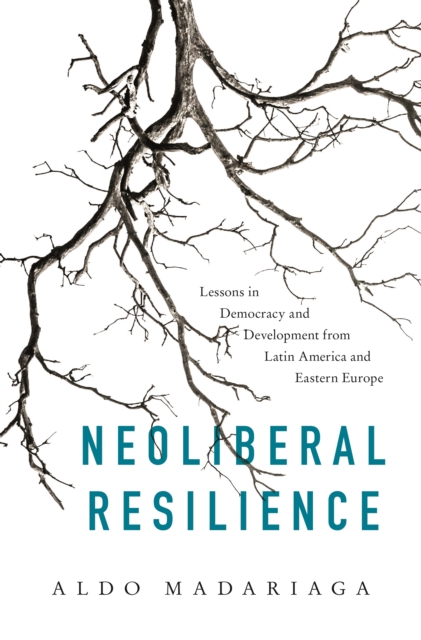
An exploration of the factors behind neoliberalism's resilience in developing economies and what this could mean for democracy's futureSince the 1980s, neoliberalism has withstood repeated economic shocks and financial crises to become the hegemonic economic policy worldwide.