A Thousand Hills: Rwanda's Rebirth and the Man Who Dreamed It is the story of Paul Kagame, a refugee who, after a generation of exile, found his way home.
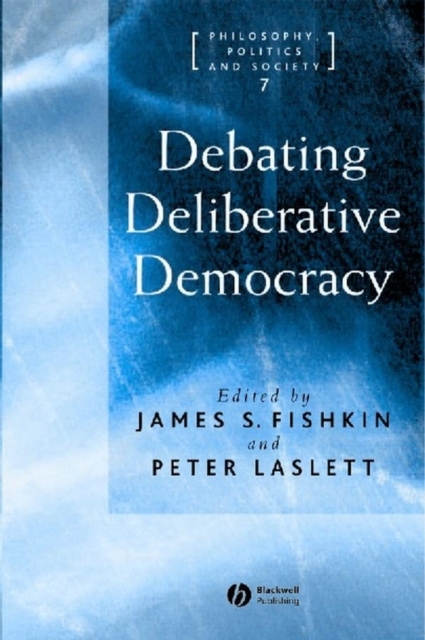
Debating Deliberative Democracy explores the nature and value of deliberation, the feasibility and desirability of consensus on contentious issues, the implications of institutional complexity and cultural diversity for democratic decision making, and the significance of voting and majority rule in deliberative arrangements.
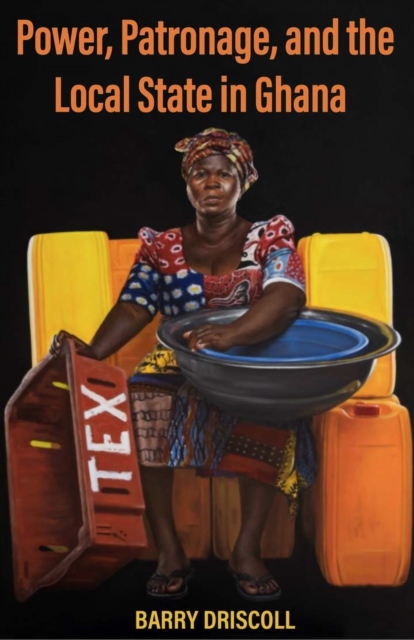
How have the waves of democracy and decentralization that swept the developing world in recent decades affected states-among the most important drivers of poverty and prosperity-at national and local levels in Ghana and beyond?
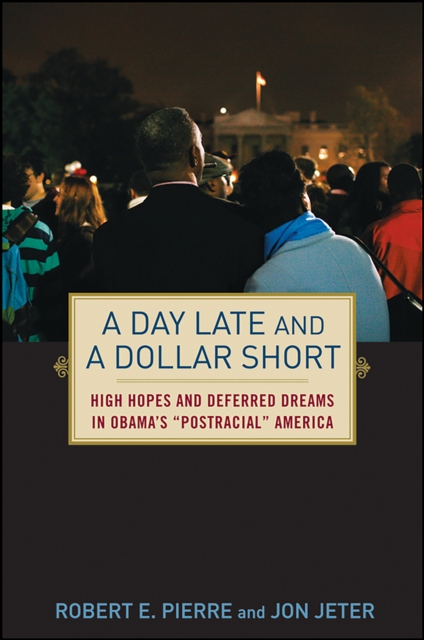
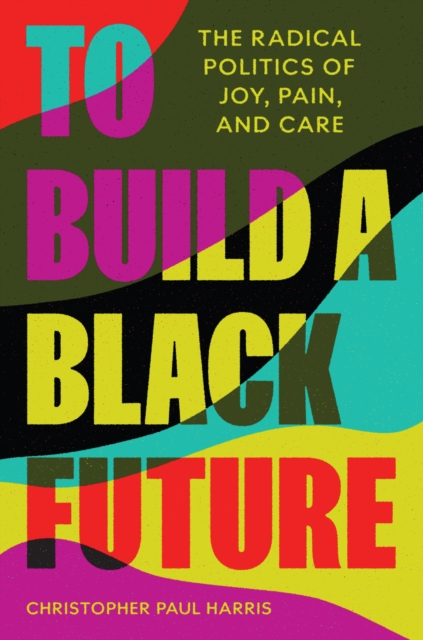
An incisive portrait of how the new Black politics can forge a future centered on collective action, community, and careWhen #BlackLivesMatter emerged in 2013, it animated the most consequential Black-led mobilization since the civil rights and Black power era.
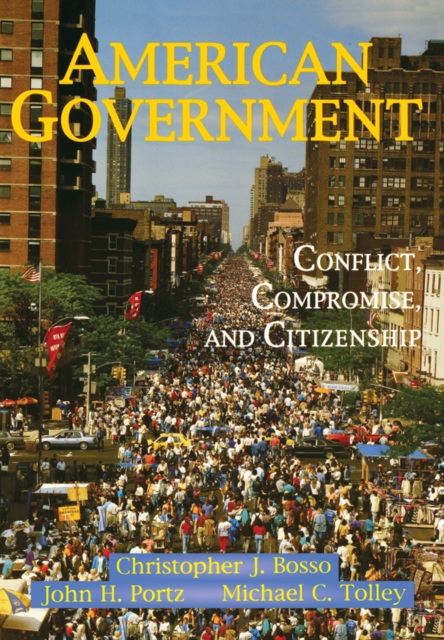
"e;Woven through this text is the unifying theme that American politics represents "e;conflict and compromise,"e; in direct opposition to the increasingly commonly held view that all politics is dirty and all politicians are crooks.
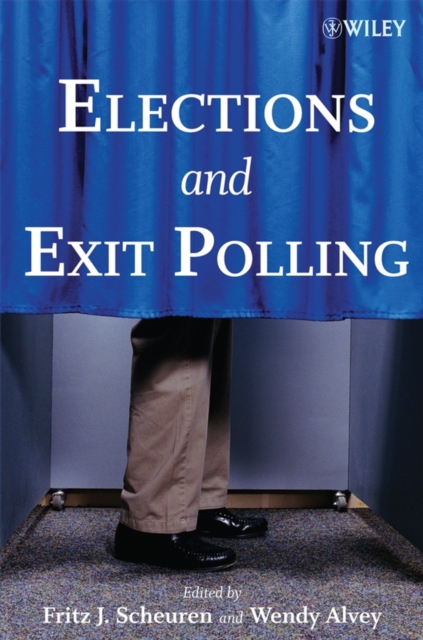
Using a combination of existing and original research, this new text provides a simple explanation for the low turnout in American elections: rather than creating an environment conducive to participation, the institutional arrangements that govern structure participation, representation, and actual governance in the United States create an environment that discourages widespread participation.
Civil Society focuses on the processes and politics of dismantling "e;corporate"e; (state directed) economies and political systems in the Third World.
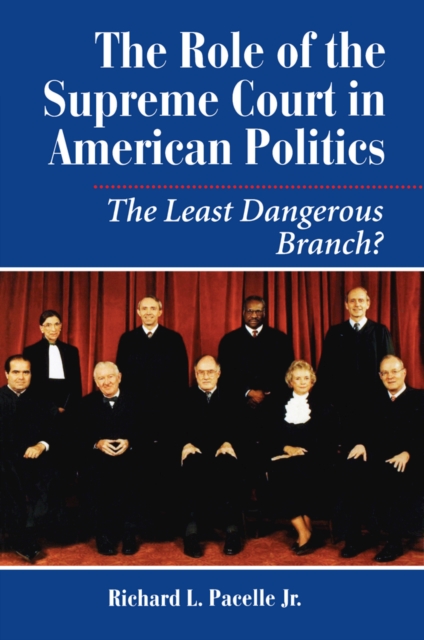
When the Supreme Court's effectively decided the presidential election of 2000, it decision illustrated a classic question in American politics: what is the appropriate role for the Supreme Court?
This book is a study of the political consequences of economic reform in the People's Republic of China, considering the progress and pitfalls of Chinese reform socialism and focusing on the three central policy arenas of the reform era: political leadership, the mass public, and foreign policy.
This book assesses the impact of decentralization on Mexico's intergovernmental relations and examines the constraints upon the devolution of political power from the center to the lower levels of government.
Since the 1930s the state has played a primary role in the development process of Latin American countries, and political systems have had strong corporatist and authoritarian-centralist features.
The Collapse of the Democratic Presidential Majority makes sense of the last half century of American presidential elections as part of a transition from a world in which realignment was still possible to a dealigned political universe.
Remote and Controlled examines the issue of widespread cynicism in an era of abundant information, asking whether it is possible to consume a steady diet of mainstream media and still understand and respect the political process.
The New European Community is the first systematic, book-length discussion of the major political institutions of the European Community (EC) after the transformation of the 1987 Single European Act, itself a surprise and a mystery whose effects are unraveled here.
This book reviews the historical development of democracy and the backlash against it, the theoretical character of modern democracy, the practical problems of establishing and maintaining democracy, and the meaning of democracy and its prospects.
First published in 1998, this is the second of two volumes which will be of great value to scholars and students of politics in East and Southeast Asia.
First published in 1997, The Contentious Crown is a study of comment on the monarchy in Victorian newspapers, journals, pamphlets and parliamentary debates.
First published in 1998, this book, through a combination of theoretical and empirical research, tries to advance beyond the available literature to an understanding of the links between strike activity and the political process.
First published in 1999, this study will examine the nature of the difficulties in the UK, Belgium and Ireland and the accompanying need for parliamentary communication, setting that parliament within an institutional, historical and political EU context and examining its ability to mobilise popular support through the use of mass media.
First published in 1997, this volume follows Catley and Cristaudo as they defend Western Civilization against all comers: against the rest of the world, especially the Third World, and against its own internal irritants: 'the scribblings of the intelligentsia' by idealist philosophers, feminists, greens, post-moderns, multiculturalists, Orientalists, anti-nationalists, socialists and Keynesians, most of them tenured academics in the arts and social sciences.
India, credited with the best institutionalized democracy of the Third World, changed in 1975, apparently overnight and at the decision of one individual, to a quasi-dictatorship.
This book presents a tentative assessment of the Argentine leader, Juan Domingo Peron's overall importance in his own country and in the American Hemisphere.