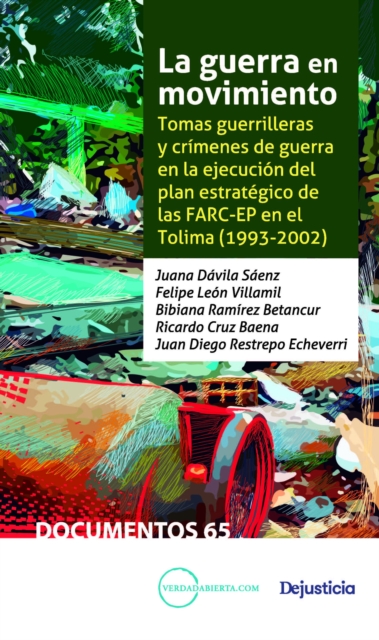
Recordar, conocer y reconocer la guerra con las antiguas FARC-EP es un ejercicio necesario para la reparación de las comunidades más afectadas y para la reconciliación política más ampliamente considerada.
Las herramientas pedagógicas presentadas a continuación buscan servir como una compilación rápida de consulta que permita a los funcionarios tener a su alcance una guía de cómo asumir algunos de los retos más usuales en su trabajo diario.
Este documento explora la situación de las mujeres víctimas de violaciones graves de los derechos humanos en el contexto del conflicto armado colombiano en relación con su acceso efectivo a la justicia.
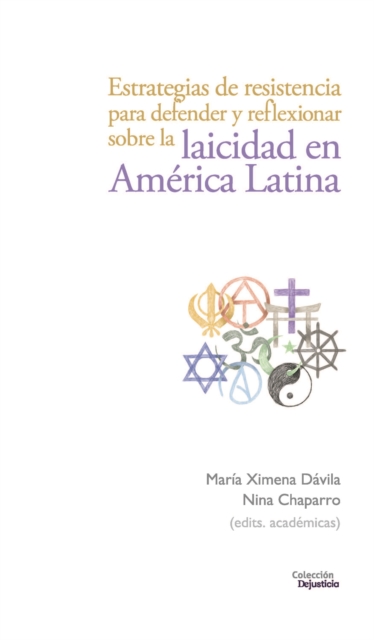
La alianza entre grupos religiosos y grupos conservadores se ha valido de la instrumentalización del concepto de laicidad y ha puesto en cuestión su utilidad en América Latina.
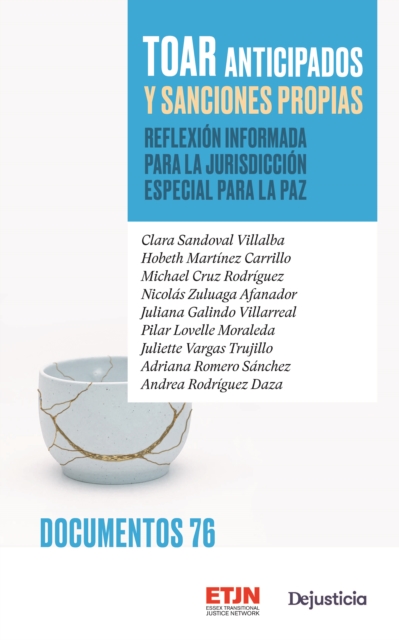
El 'régimen de condicionalidad' es una innovación del actual proceso de justicia transicional colombiano cuya materialización enfrenta múltiples retos.
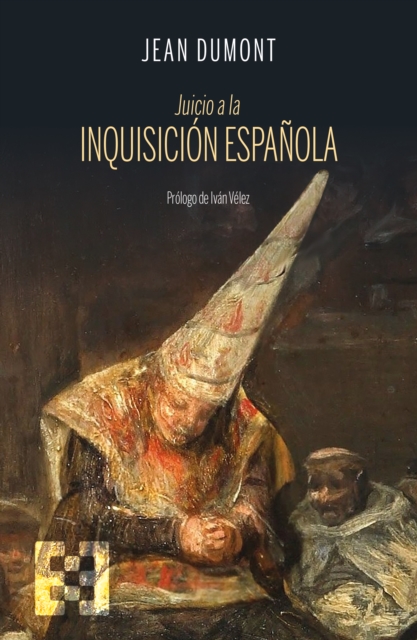
La Inquisición española es sinónimo, a ojos del gran público y de la historiografía habitual, de denuncias infundadas, encarnizamiento en convencer del crimen, ausencia de abogados defensores, sentencias emitidas por adelantado, oprobio del condenado y de los suyos, abominable ejecución en las llamas purificadoras sin réplica posible: mencionando la Inquisición se condensa el oscurantismo y la crueldad mayores que puedan concebirse.
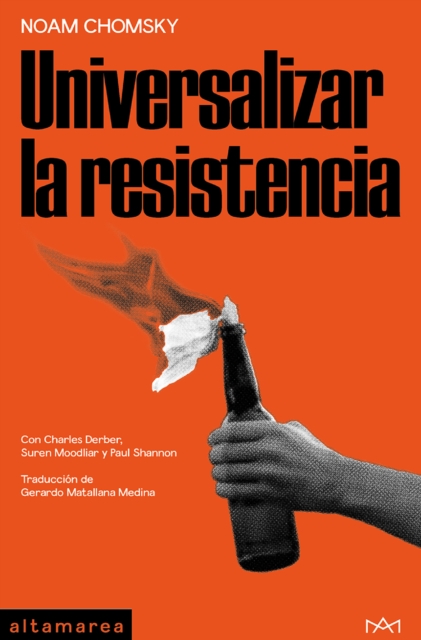
Entre los intelectuales de izquierda, Noam Chomsky se distingue por su especial relación con el activismo, y por ser él mismo un activista político de larguísimo recorrido, además de un crítico implacable y clarividente.
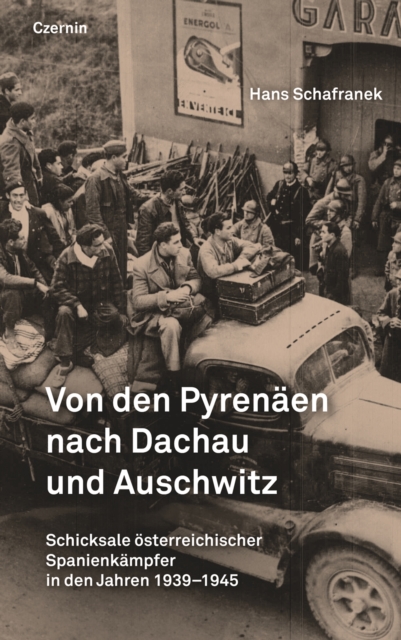
Vor über 80 Jahren begann der Spanische Bürgerkrieg und mit ihm ein markanter Einschnitt in die europäische Zeitgeschichte: Zum ersten Mal seit der Machtergreifung der Nazis 1933 wurde dem Faschismus in Europa militärisch die Stirn geboten.
Ein einzigartiges Ministerium in der deutschen NachkriegsgeschichteDie Folgen von Flucht und Vertreibung gehören mit zu den größten Herausforderungen der deutschen Geschichte nach 1945.
In a series of 50 accessible essays, Adam Fleming introduces and explains the history, key ideas and tools of democracy developed by some of the world's greatest thinkers - spanning from the ancient Greeks to the present day.
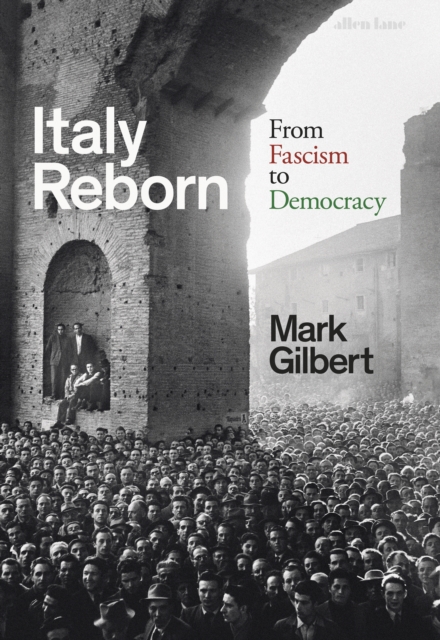
A major new account of the emergence of Italian democracy after the Second World WarThe rebirth of Italy after the Second World War is one of the most impressive political transformations in modern European history.
From TikTok star and Your (favourite) Rich BFF Vivian Tu, the definitive book on personal finance for a new generation Building on the lessons she learned on Wall Street about money and the markets, Vivian Tu now offers her best personal finance tips and tricks to readers of all ages and demographics, so that anyone can get rich, whether you grew up knowing the rules to the game or not.
Amirua is a book in the form of a study on political jurisprudence prepared by Nicolo McKavili in 1553 and is considered his most famous work, and he created the name "Machiavellian" and the recipe of "Machiavelli".
En este trabajo se han analizado las razones que abundan a que el Estado debe ser neutral políticamente y que son numerosas, ya que se estructura una sociedad política pluralista, cuyo reconocimiento como principio y valor constitucional tiene como consecuencia la garantía de la igualdad en el ejercicio de los derechos de libertad, incluidos los de carácter político, que deben posibilitar que no se perjudique la competencia política, proteger los derechos de los participantes en la misma, garantizar la libertad en el proceso de formación de la voluntad política y de la opinión pública, asegurar la protección de los intereses generales e impedir la utilización de los recursos públicos por la autoridad pública para fines partidistas.
A fascinating account of the intellectual origins of identity politics' Financial Times, Books of the YearThe origins, consequences and limitations of an ideology that has quickly become highly influential around the world.
"La Profesión Jurídica en Colombia" responde a la creciente preocupación que existe hoy en Colombia, y en otros países de América Latina, por la justicia.
'As easy to read as it is useful and wise'Morgan HouselA short guide to transforming your money mindset and attitudes, written for a younger generation that doesn t have the lingo, headspace or experience talking through money matters.
Abdel -Qader Odeh, a constitutional judge and a constitutional jurist, discussed several issues in his book "Islam and our political situations", and touched on creation and harnessing in Islam, and disagreement on the ground, and was subjected to financial issues from the perspective that money is the money of God, as he talked about the Islamic government; On its opponent and advantages, and the emergence of the Islamic state.
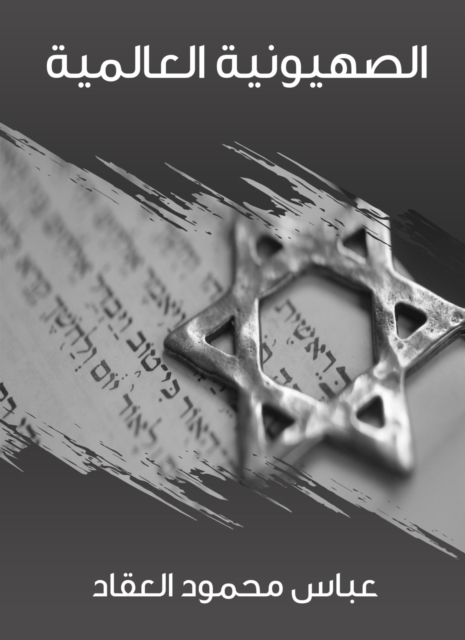
The Akkad provides in his book a brief study, provided by scientific proofs, on the truth of the Zionism as a movement that has worked in the dark since its foundation, following its history until its Israeli Zionist state was established on the land of Palestine.
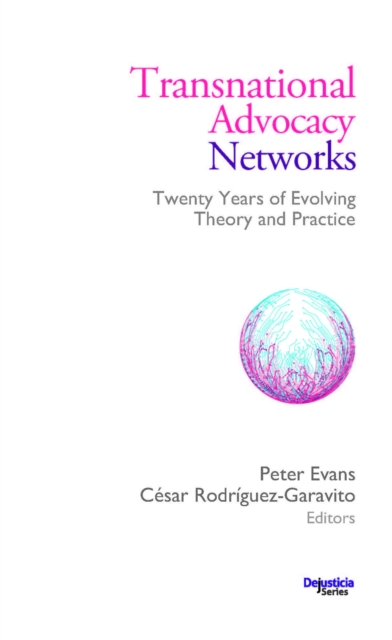
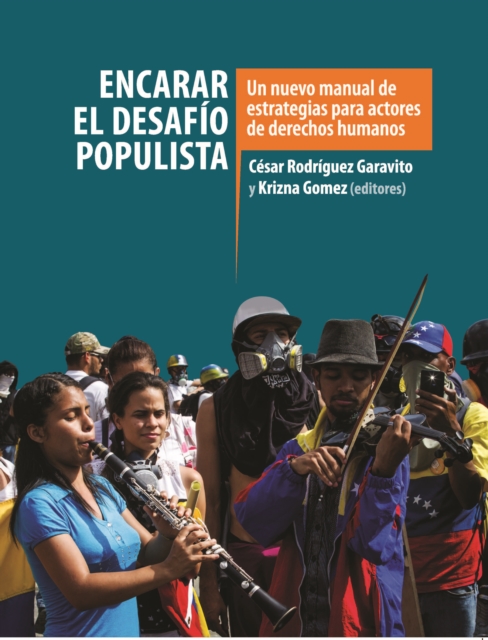
Activists, particularly those based in the global South, have accumulated a wealth of experience in dealing with a range of transnational networks operating in diverse issue areas.
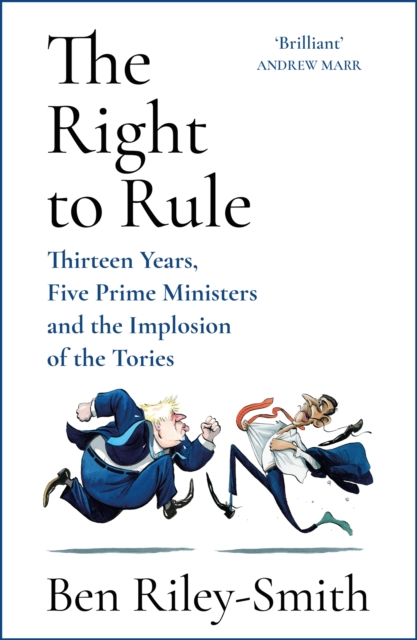
UPDATED WITH A NEW CHAPTER ON THE 2024 ELECTIONA GUARDIAN AND DAILY TELEGRAPH POLITICS BOOK OF THE YEAR'BRILLIANT' ANDREW MARR'MAJESTIC' GUARDIAN'ESSENTIAL' JON SOPEL'A CRACKING READ' FINANCIAL TIMES'A SHARP INSIDER ACCOUNT' NEW STATESMAN The full inside story of fourteen years of Tory rule, from coalition to self-destruction.
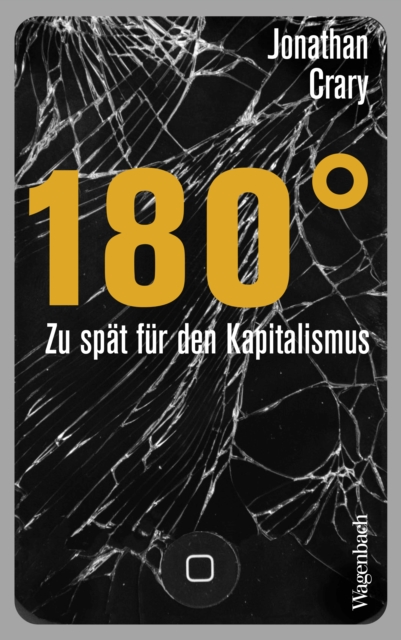
Spätestens seit dem Abzug westlicher Truppen aus Afghanistan und dem russischen Überfall auf die Ukraine wissen wir, dass die bislang geltende Ordnung an ihr Ende gekommen ist.
El cumplimiento de los compromisos asumidos por quienes deben rendir cuentas ante la JEP es esencial para la legitimidad de los tratamientos especiales que podrían recibir, para la garantía de los derechos de las víctimas y para la reconciliación.
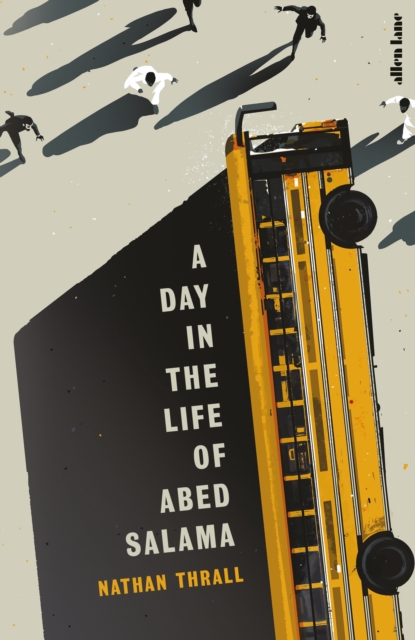
WINNER OF THE 2024 PULITZER PRIZE SHORTLISTED FOR THE ORWELL PRIZE LONGLISTED FOR THE BAILLIE GIFFORD PRIZE'A deeply immersive portrait of daily life in Israel and the West Bank' The Best Books to Understand the Israeli-Palestinian Conflict, Financial Times'Brims over with just the sort of compassion and understanding that is needed at a time like this a book that speaks with deep and authentic truth of ordinary lives trapped in the jaws of history' ObserverA gripping, intimate story of one heartbreaking day in Palestine that reveals lives, loves, enmities, and histories in violent collisionMilad is five years old and excited for his school trip to a theme park on the outskirts of Jerusalem, but tragedy awaits: his bus is involved in a horrific accident.
In den letzten Jahrzehnten ist die Programmatik der SPD, nicht nur in deren Grundwertekommission, wesentlich durch Wolfgang Thierse und Thomas Meyer geprägt worden.
Esta cartilla busca contribuir al entendimiento y la difusión de los lineamientos metodológicos de la Comisión de la Verdad en los territorios a través de un resumen esquemático de su contenido.
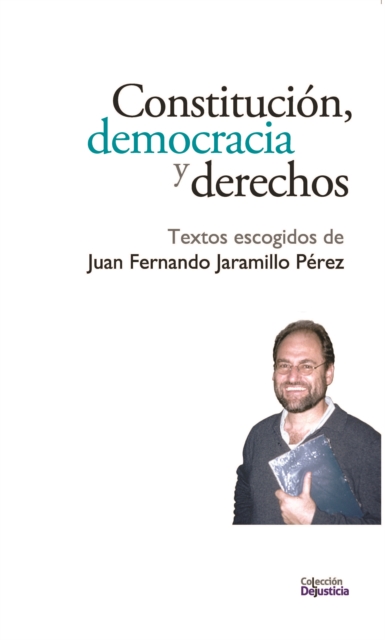
Constitución, democracia y derechos es una compilación de algunos de los mejores artículos de derecho constitucional de Juan Fernando Jaramillo, socio fundador de Dejusticia, fallecido tempranamente hace cuatro años.
In The Days of Queen Victoria is the story of Queen Victoria, the woman who became queen at eighteen and for nearly 64 years wore the crown of Great Britain.
SHestogo avgusta 1945 goda vpervye v istorii chelovechestva bylo primeneno yadernoe oruzhie: amerikanskij bombardirovshchik "Enola Gej" sbrosil atomnuyu bombu na Hirosimu.
'An essential account of how Tibet became the playground for global geopolitical ambitions and what the future may hold for this precarious region fighting for statehood.
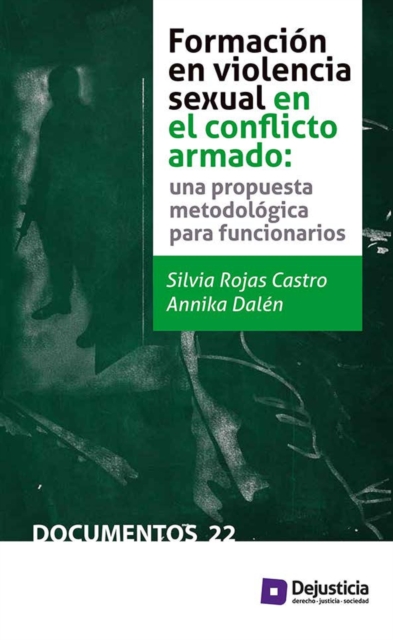
Por medio de este documento, aportamos algunos elementos pedagógicos para desarrollar un programa de formación en la materia, cuya implementación esperamos contribuya a mejorar la atención a las víctimas, y la investigación y judicialización de la violencia sexual cometida en el marco del conflicto armado, con el fin de disminuir la impunidad de estos crímenes y fortalecer el acceso a la justicia de sus víctimas.
Este documento plantea una reflexión sobre algunos de los retos más complejos y apremiantes, que la implementación del Acuerdo de paz enfrenta en materia de derechos de las mujeres y de aplicación del enfoque de género en las políticas destinadas al mundo rural.