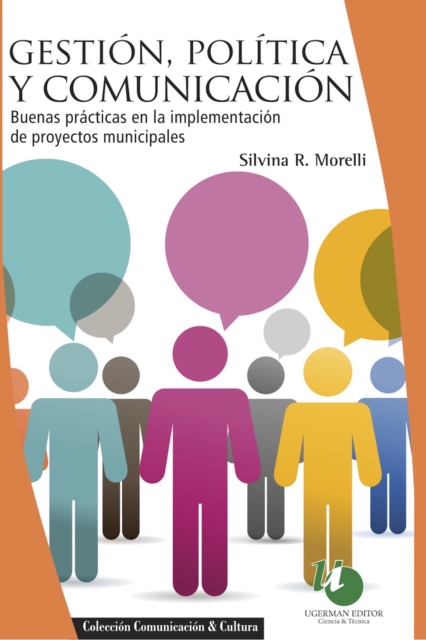
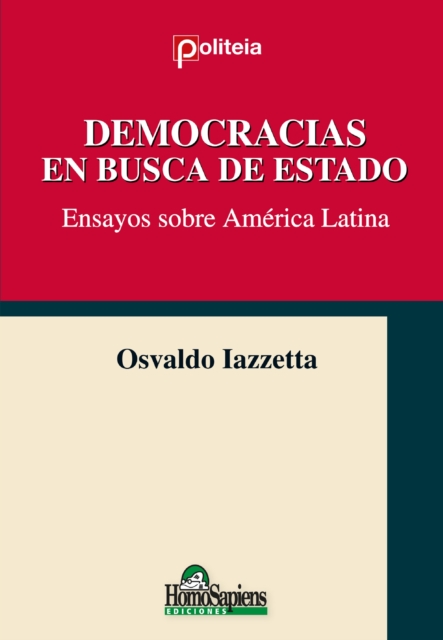
En una region donde las interacciones entre pobres y burocratas estatales se multiplican y se vuelven indispensables para la sobrevivencia de los mas necesitados, este brillante e iluminador texto nos proporciona diversas herramientas metodologicas y teoricas para entender y explicar su necesidad y sus efectos.
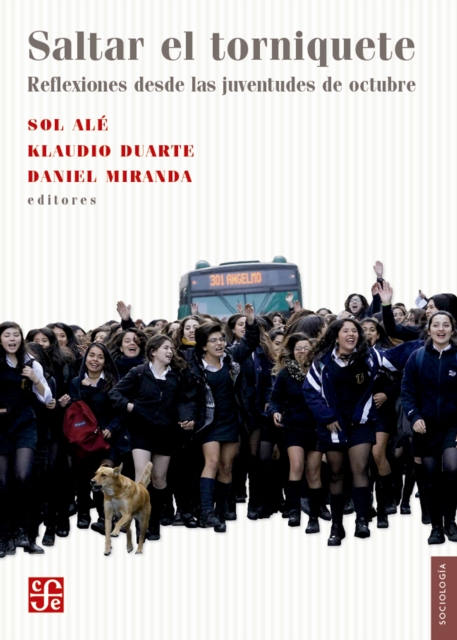
A partir del viernes 18 de octubre, la juventud estudiantil que había estado una semana saltando los torniquetes del Metro en protesta por el alza del pasaje, abrió las compuertas de lo que sería una de las mayores movilizaciones populares de la historia de Chile.
A partir de diversos enfoques de investigacion y de una encuesta realizada a cerca de 700 lideres de la coalicion Chile Vamos, este libro es una formidable exploracion al caracter y comportamiento de los partidos de derecha chilenos: la Union Democrata Independiente, Renovacion Nacional, Evopoli y el Partido Regionalista Independiente.
Todo sobre el proceso constituyente presenta quince miradas al proceso constituyente que se inició en Chile con el primer plebiscito de octubre de 2020.
Los trabajos reunidos en este libro fueron escritos por un nutrido grupo de especialistas y se organizan en tres ejes: "Viajes y tránsitos", "Poéticas y posicionamientos" y "Redes e instituciones".
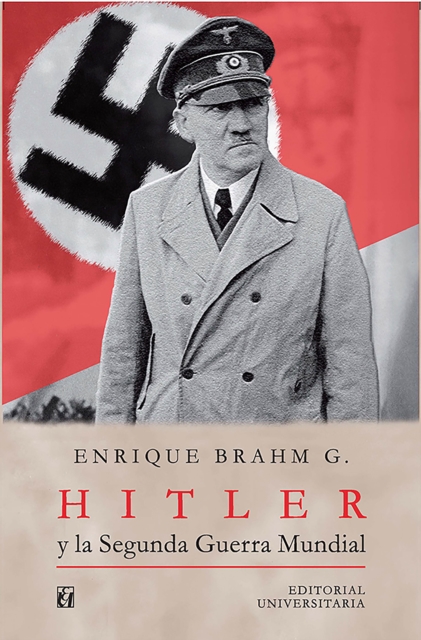
El principal objetivo de este libro, facilitado por un estilo directo y ágil, es entregar al lector común un resumen serio y fundamentado sobre el periodo de Tercer Reich en Alemania, su actuación durante el conflicto bélico de la década del '40 y sus consecuencias posteriores, recogiendo los aportes más recientes de la investigación.
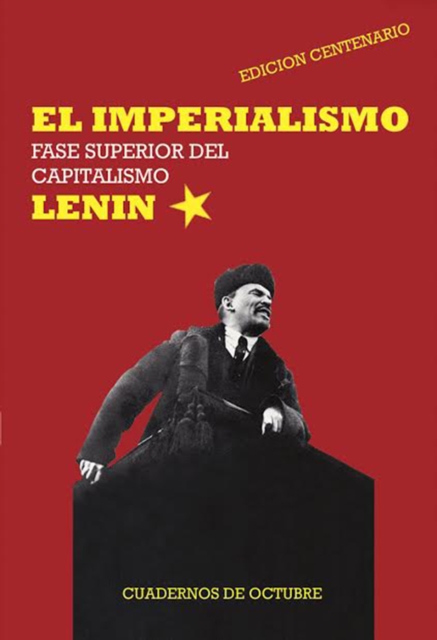
Si fuera necesario dar una definición lo más breve posible del imperialismo, debería decirse que el imperialismo es la fase monopolista del capitalismo.
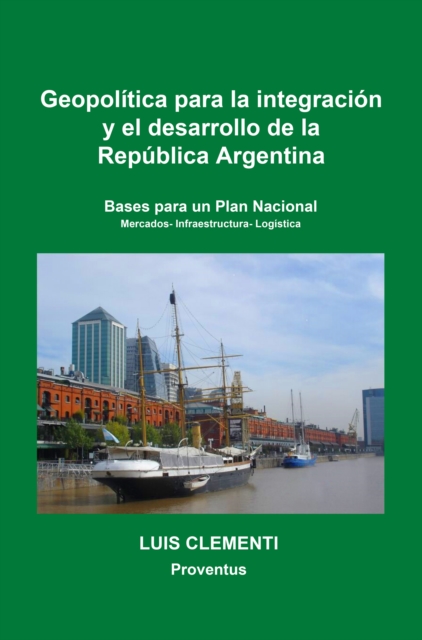
Incluye un anáisis de las 52 microrregiones y 29 complejos productivos seleccionados por CEPAL, la infraestructura regional, matrices origen y destino de las cargas y el soporte de los diferentes modos y medios de transporte y logística asociada.
Los grupos evangélicos tuvieron en los últimos años un crecimiento exponencial en todo el continente americano y lograron consolidarse como una nueva fuerza política y social.
Francisco, profeta y pastor, desenmascara las causas de la pobreza desacralizando estructuras injustas que han sido divinizadas, y llama a la misericordia como otro modo de justicia.
La llamada "teoría de los dos demonios" surgió en los años setenta, se hizo fuerte en los ochenta con el regreso de la democracia y fue cuestionada a partir de los noventa.
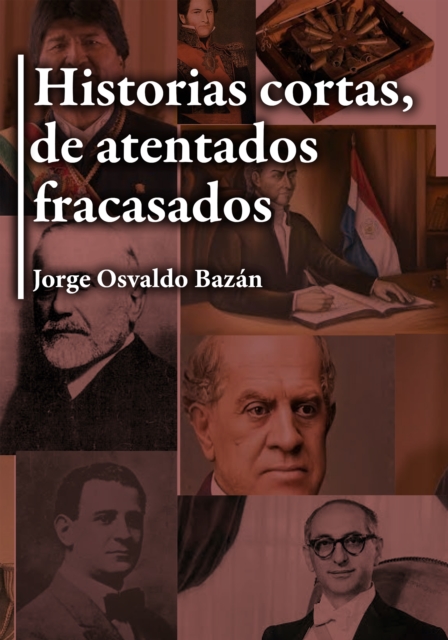
Historias verídicas y documentadas de intentos de magnicidios o atentados fracasados que tuvieron como objetivo el asesinar a líderes históricos, legisladores y presidentes de facto y constitucionales.
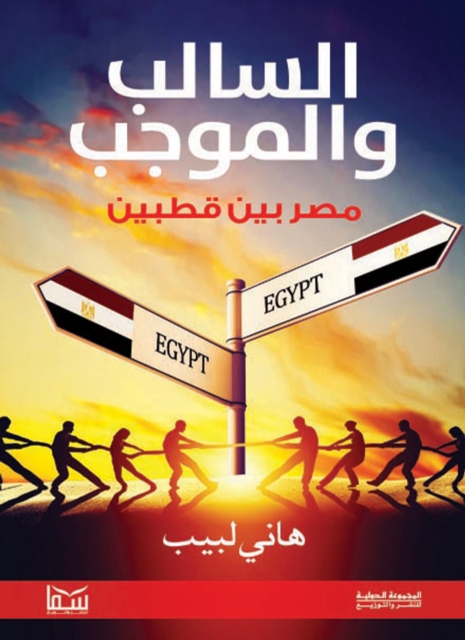
"The book discusses many of the issues that have emerged on the scene, such as intolerance, hatred of others, discrimination, pluralism, citizenship, and other issues that occupied the Egyptian arena during the post-revolution years.
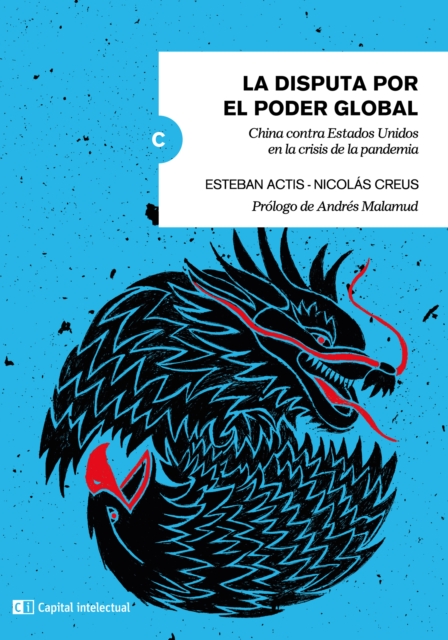
En un recorrido apasionante por los principales centros del poder mundial, los autores, reconocidos internacionalistas, ofrecen un panorama profundo y al mismo tiempo accesible del escenario global, en busca de una respuesta a las preguntas que todos nos hacemos: ¿en qué mundo vivimos?
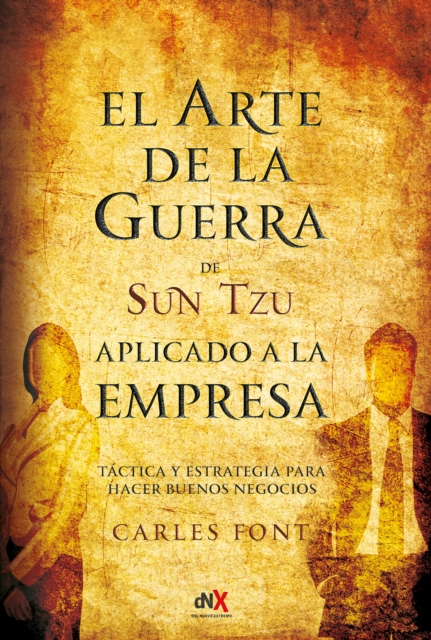
La estrategia bélica explicada a través de metáforas y eficaces ejemplos, convierte a El arte de la guerra en uno de los más vigorosos libros de psicología aplicada jamás escrito.
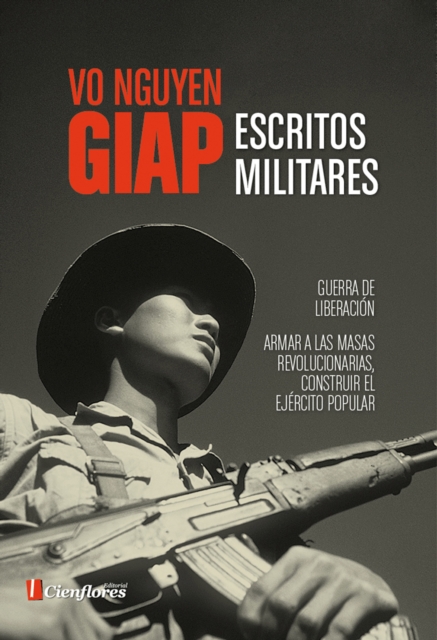
El volumen que presentamos a continuación bajo el titulo de Escritos Militares es una compilación de dos importantes trabajos en el periodo de la guerra de resistencia contra los Estados Unidos: Guerra de Liberación (1971) y Armar a las masas revolucionarias, construir el ejército popular (1972).
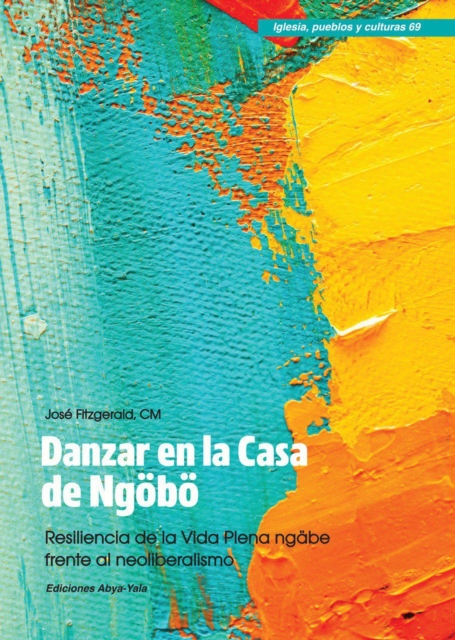
Con la crónica de un bloqueo en 2012, en la Carretera Interamericana en donde los habitantes del pueblo ngäbe estaban dispuestos a dar su vida para frenar la minería en su territorio (Panamá), empiezan estas páginas de este título que hoy hace parte de la colección "Iglesia, pueblos y culturas".
Este libro ha sido escrito desde Argentina recogiendo múltiples evidencias empíricas provenientes de ese país, pero se ha nutrido de información y aportes teóricos provenientes de otros colegas de la región, en especial del cono sur de América Latina.
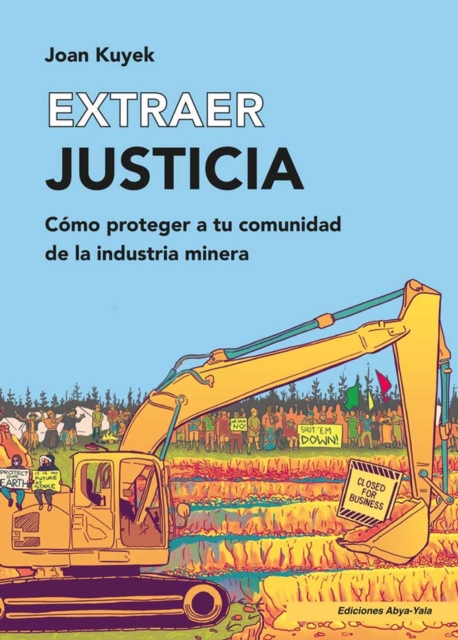
El modelo extractivo minero en América Latina se puede considerar como el de mayor impacto en las afectaciones ambientales y en los derechos humanos y colectivos de los pueblos.
El propósito de los autores con este libro es brindar un análisis crítico desde criterios que cruzan elementos de historia económica, derecho y de economía política.
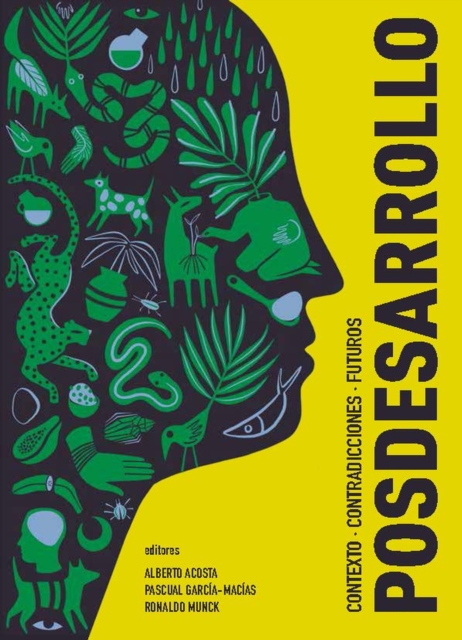
Pluriverso: un diccionario del posdesarrollo es una estimulante colección de más de 100 ensayos sobre alternativas transformadoras a los actuales procesos dominantes del desarrollo globalizado, incluidas sus raíces estructurales ancladas en los valores del patriarcado, la modernidad, el capitalismo y el dominio estatal.
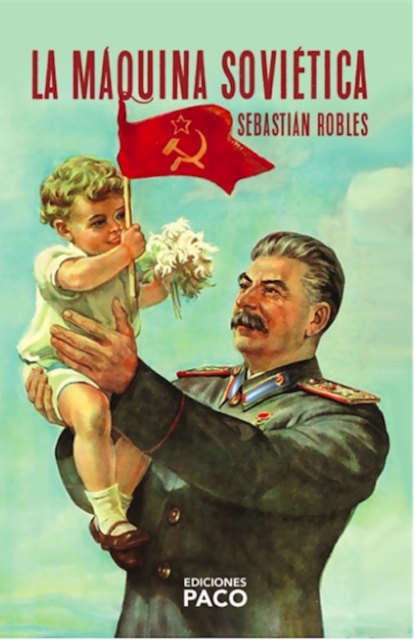
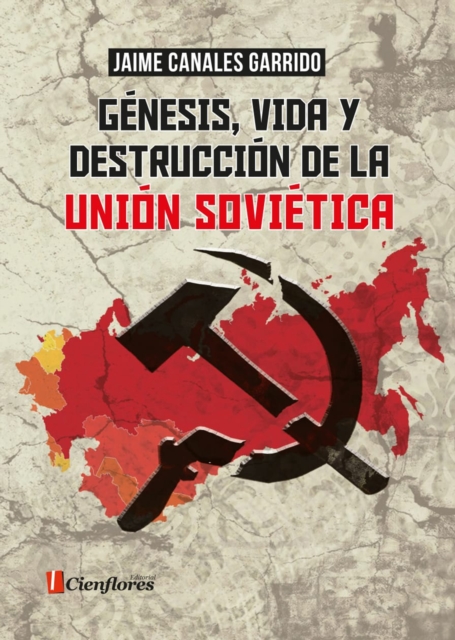
La obra que se pone a disposición del lector, parte de un arduo y voluminoso trabajo iniciado por el autor en 2007, indaga acerca de los sucesos y condiciones que posibilitaron la crisis y el desmantelamiento de la URSS a comienzos de los años 90.
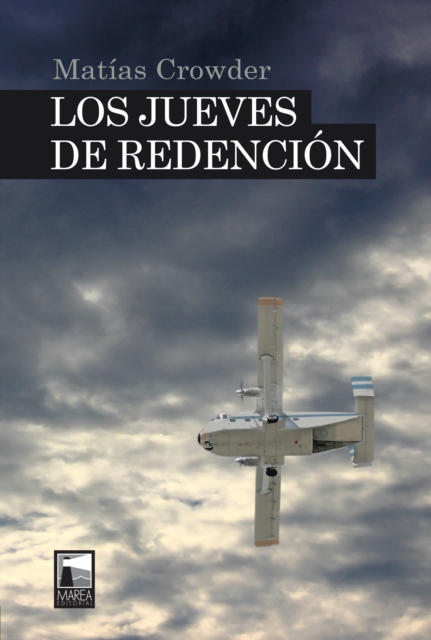
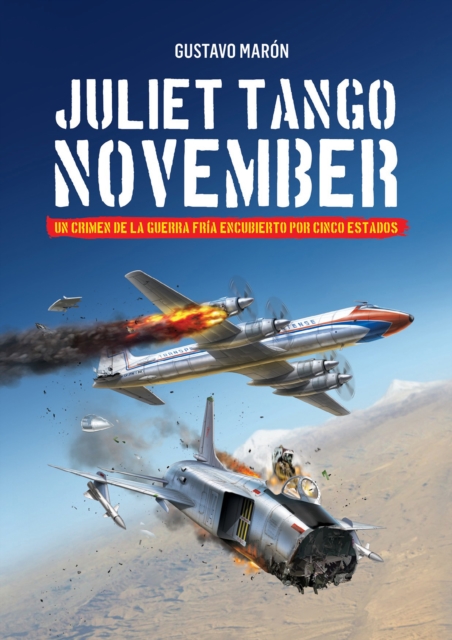
El 18 de julio de 1981 un avión de carga Canadair CL-44D Swingtail de la empresa argentina Transporte Aéreo Rioplatense desapareció misteriosamente sobre la República Soviética de Armenia mientras realizaba un vuelo entre Teherán (Irán) y Larnaca (Chipre).
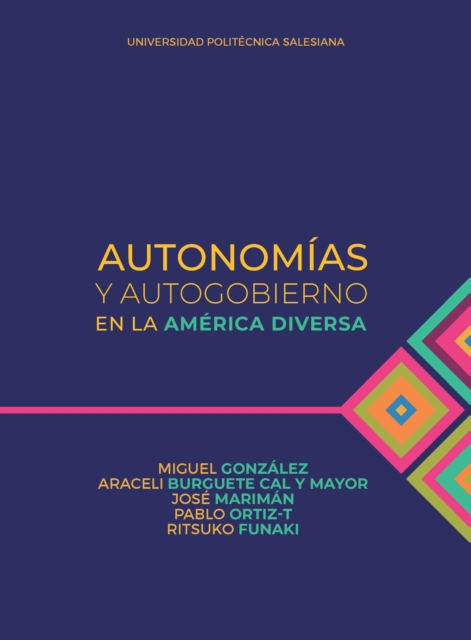
Los activismos globales de los pueblos indígenas y afrodescendientes han puesto en la arena de los debates el reclamo de autodeterminación, autonomía y autogobierno, logrando avances relevantes en las normas internacionales.
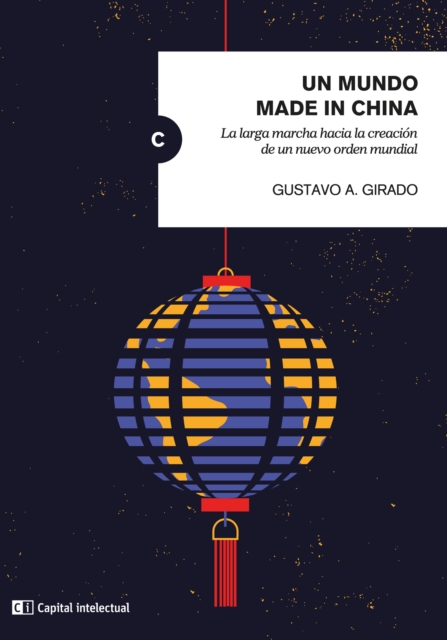
Aunque la caída del Muro de Berlín y la implosión soviética auguraban una etapa de paz y prosperidad, en la que los dos bloques terminarían convergiendo en torno a la democracia y al libre mercado, las cosas resultaron diferentes: casi tres décadas después, Rusia se levantó –una vez más– de sus cenizas, y hoy desafía a las potencias occidentales.
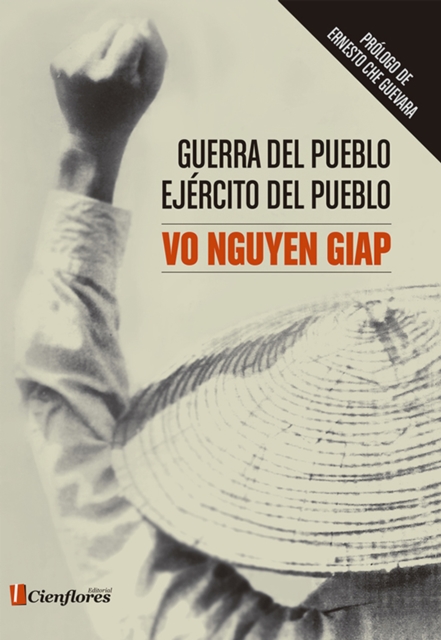
En marzo de 1954, los vietnamitas abrieron fuego contra el bastión del colonialismo francés de Dien Bien Phu, lanzando varias oleadas cuya última, el primero de mayo, aniquiló a un enemigo ya desmoralizado.
Es una obra colectiva que analiza el caso de la provincia argentina de Misiones en relación con el funcionamiento de la democracia, a través de la interpretación de los cambios permanentes en las reglas de juego institucionales entre 1983 y 2017.
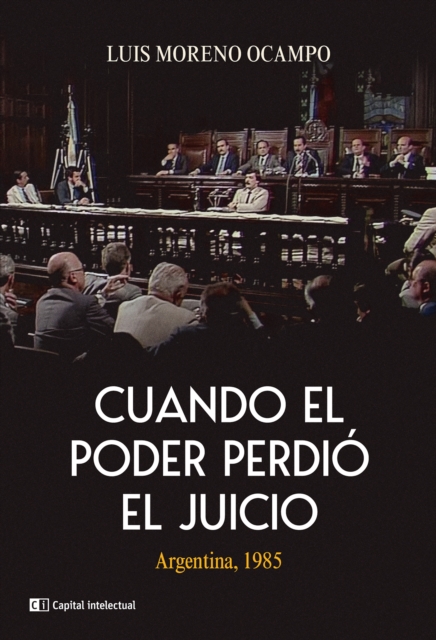
Protagonista indiscutido de unos de los sucesos más emblemáticos de la historia nacional, Luis Moreno Ocampo, nos cuenta de primera mano los detalles del Juicio a las Juntas, el despertar democrático de una sociedad golpeada tras la dictadura, al tiempo que analiza un proceso más profundo que hasta el día de hoy dirime al mundo: cómo hacer justicia.
En este libro urgente y profundo, Noam Chomsky, uno de los grandes intelectuales de nuestra época y una poderosa voz moral a nivel mundial, junto al prestigioso economista Robert Pollin, estudioso de las causas del calentamiento global, analizan la economía política del cambio climático y su imbricación con el modelo neoliberal de producción y la globalización financiera.