Gestión Pública para todos ofrece explicaciones claras y sucintas para el entendimiento del público con la pretensión de dar una comprensión óptima para todos, sin importar la orilla en que el lector se encuentre, ya sea como estudiante, profesional, servidor público, autoridad (deciden sobre los asuntos de la cosa pública y no siempre están bien asesorados) y, sobre todo, los ciudadanos "comunes" en actividad privada, que somos la mayoría y hacemos un mejor o peor sitio para vivir, y no siempre tomamos conciencia de lo que se debe exigir y lo que no, a los poderes del Estado de un país.
El dificil momento que atraviesa la humanidad por la expansion del capitalismo en su version mas violenta y autoritaria, exige de los latinoamericanos pensar su porvenir en funcion de ampliar y profundizar la democracia como fundamento de nuestras luchas por la transformacion social, conscientes de los mecanismos politicos del poder para combatir y limitar esta tarea.
A fines del siglo XX se produjo, a la derecha del escenario político, la emergencia de partidos extremistas o radicales, en ruptura con las tradiciones nazis o fascistas, cuyo objetivo es la conquista del poder por la vía electoral o democrática.
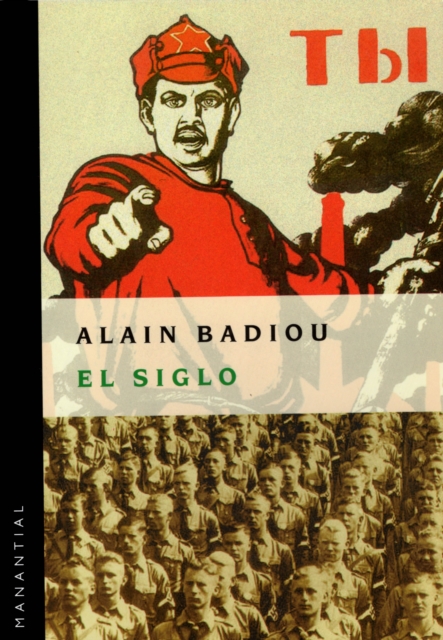
"El siglo XX ha sido juzgado y condenado: siglo del terror totalitario, de las ideologías utópicas y criminales, de las ilusiones vacías, de los genocidios, de las falsas vanguardias, de la abstracción como sustituto ubicuo del realismo democrático.
El reconocimiento del derecho a la libre determinación, dentro de la Declaración sobre los Derechos de los Pueblos Indígenas de las Naciones Unidas, abrió un nuevo marcho para la comprensión y el ejercicio de los derechos indígenas.
El Colectivo de Geografia Critica del Ecuador recupera la mejor tradicion del pensamiento critico revolucionario que, sabemos, surgio en las calles, en las luchas sociales y no en la academia.
El libro consta de ocho (8) capítulos, en los que se encontrarán desarrolladas las relaciones existentes entre los pactos nacionales e internacionales y la justicia constitucional y trasnacional, el derecho de familia, los pueblos originarios, la administración pública, el derecho animal, las nuevas tecnologías, y los derechos humanos.
En vísperas del 45º aniversario de la caída de Allende, del golpe del 11 de septiembre de 1973, este libro inédito de Liborio Justo propone una apasionante lectura de la historia de Chile y de sus luchas sociales hasta la década del setenta.
La corrupción devasta América Latina cual ciclón: Todos los gobiernos latinoamericanos, progresistas y neoliberales, son arrasados por crecientes denuncias que llegan hasta el más alto poder político.
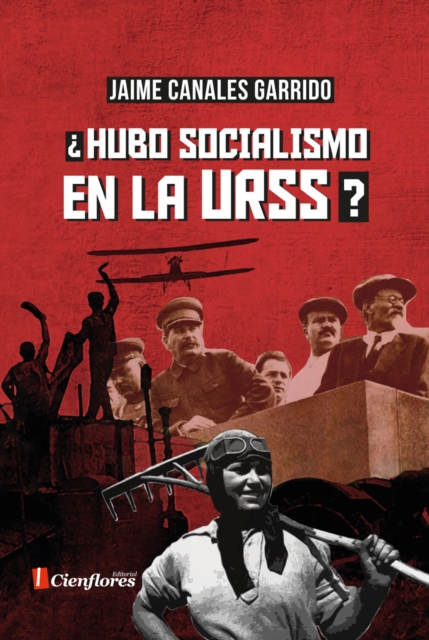
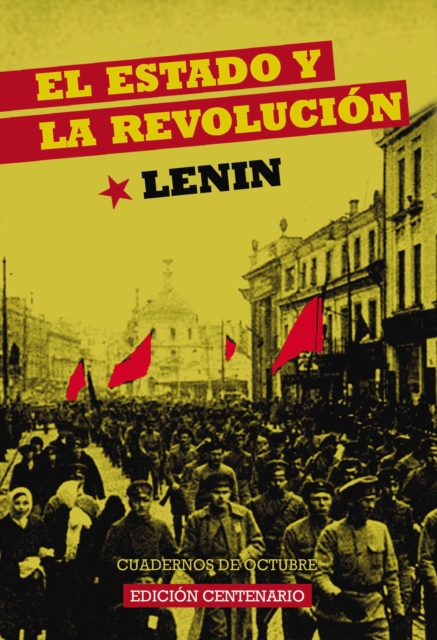
La pregunta que da nombre al extenso trabajo que aquí presentamos, recorre, en buena medida, tanto a los movimientos de izquierda a nivel mundial, como a la labor de historiadores y académicos especializados en la historia de la Rusia soviética.
Esta obra contiene conceptos teóricos y recomendaciones prácticas de utilidad para la solución de los problemas sociales, la comunicación pública de los gobiernos locales y la planeación, distribución y promoción de los productos políticos, ya se trate de instituciones, programas, ideas o candidatos.
En este momento crucial para la Argentina en el que todas las recetas de los últimos 50 años han fracasado, Matías Pérez Manghi nos propone un riguroso análisis histórico y económico de lo acontecido en nuestro país con el fin de que dejemos de repetir errores pasados para lanzarnos de lleno al crecimiento que la Argentina y los argentinos nos merecemos.
En este libro vibrante y profundo, el reconocido filósofo y escritor Alain Badiou sostiene que para enfrentar a Trump es necesario enfrentar el consenso generado en torno al capitalismo liberal que posibilitó su llegada al poder, y que el único camino es oponerle una opción que no puede llevar otro nombre que comunismo.
Lo que en algún momento los intelectuales europeos definieron como "Medio Oriente" constituye la región más caliente, inestable e incomprendida del planeta.
Aunque Argentina había logrado mantenerse a salvo, el fascismo cobra actualidad en el contexto de un mundo que comienza a recurrir nuevamente a la movilización reaccionaria y en el clima de época instalado por el macrismo, la campaña del voto celeste o el surgimiento o consolidación del nuevo partido Nos, que no han dudado en exaltar las fuerzas de seguridad, defender la antipolítica y recurrir a la estigmatización del otro como estrategia de agitación electoral.
A pesar de dos contundentes derrotas electorales, sigue habiendo razones concretas y específicas que ponen en cuestión la perspectiva de un ocaso definitivo del peronismo: la inconsistencia del programa de Cambiemos, el descascaramiento de la promesa meritocrática de un gobierno que dijo que necesitábamos pura economía y menos política, y la resiliencia objetiva del peronismo con su diversidad real.
Relatos verídicos de asesinatos o magnicidios que terminaron con la vida de distintos referentes de la historia de América del Sur, como en el caso de seis gobernadores de la provincia argentina de San Juan; otro gobernador de la provincia de Salta; un vicepresidente paraguayo emboscado por los sicarios de un general rebelde; un líder colombiano que cae a balazos y desata un levantamiento popular; un supuesto suicidio de un joven presidente boliviano progresista; otro mandatario de origen peruano que es muerto por una "pistola loca" como en el caso de Kennedy; un mandatario boliviano que es linchado como Mussolini; un ingeniero-presidente venezolano que muere en un secuestro; el martillo de sacerdotes y de un obispo argentino; la lucha de la hija de un ex presidente chileno que descubre que su padre fue envenenado; otro ex presidente brasileño que muere en el exilio por el mismo veneno; un ex presidente argentino que de fusilador se convierte en fusilado y un mandatario nicaragüense asilado en Paraguay que es masacrado por motivos pasionales que involucran a lo más alto del Gobierno y del poder.
El presente libro indaga sobre los antecedentes históricos nacionales, y en el derecho comparado, sobre la aparición de la figura de los fiscales como defensores de la causa pública.
Natalia Sierra nos convoca a una lectura distinta de luchas emancipatorias surgidas en los últimos años en América Latina: México con el movimiento Yo soy 132 (2012) y por los 43 estudiantes desaparecidos de Ayotzinapa (2015); en Ecuador con el Colectivo Yasunidos (2014) para evitar la explotación petrolera en el Yasuní-ITT; y en Bolivia, para detener la construcción de la carretera que pasaría por el Territorio Indígena y Parque Nacional Isiboro-Sécure, TIPNIS (2013).
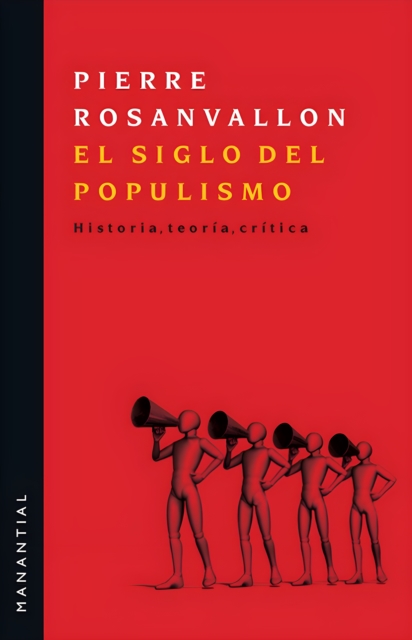
Este libro se propone comprender al populismo en sí mismo, como una ideología coherente que ofrece una potente y atractiva visión de la democracia, la sociedad y la economía.
El general Vo Nguyen Giap fue uno de los más destacados jefes militares de todos los tiempos, líder comunista y comandante revolucionario de una de las mayores epopeyas de liberación del siglo XX: la resistencia armada del pueblo de Vietnam a la ocupación norteamericana que lo tuvo como actor central, en la peor derrota política y militar que hayan conocido los Estados Unidos en su historia.
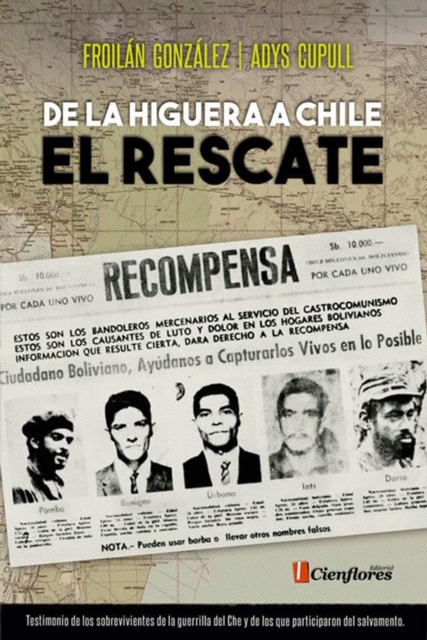
Cualquiera que se interese por la guerrilla que encabezó Ernesto Che Guevara en la región sudeste de Bolivia en 1966-67, tendrá que consultar la obra de Carlos Soria Galvarro, testigo cercano a los hechos y personas de ese intento revolucionario, quien además lleva muchos años investigando aquella gesta.
Two startup company founders and angel investors go inside eighteen companies founded by Harvard Business School graduates, uncovering surprising lessons for success and unexpected pitfalls essential for aspiring entrepreneurs.