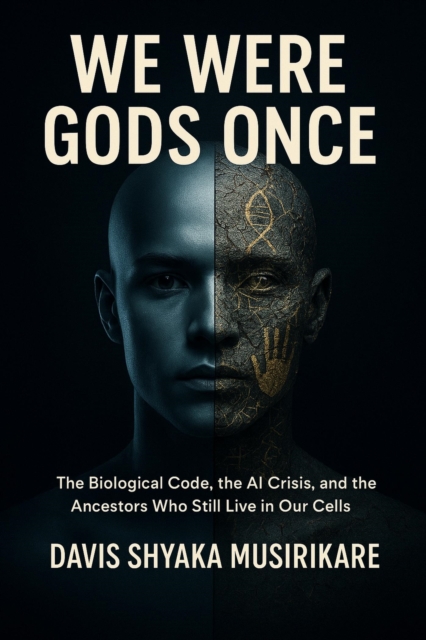
We Were Gods Once is a breathtaking exploration of what humanity lost on its climb to power—and what we must remember to survive the world we've built.
Modern avionics can reduce workload, improve precision, and expand situational awareness, but only when pilots understand what the system is doing, why it is doing it, and what it is likely to do next.
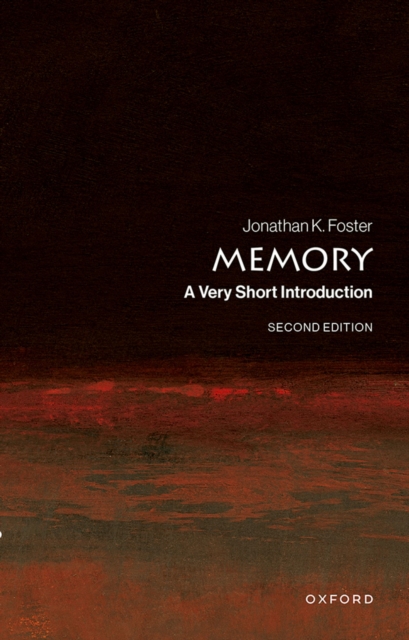
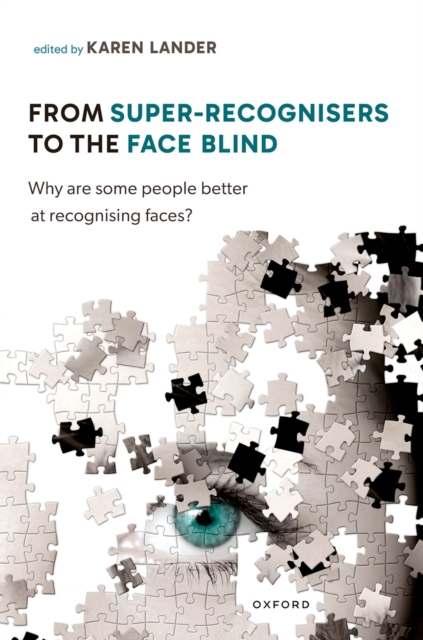
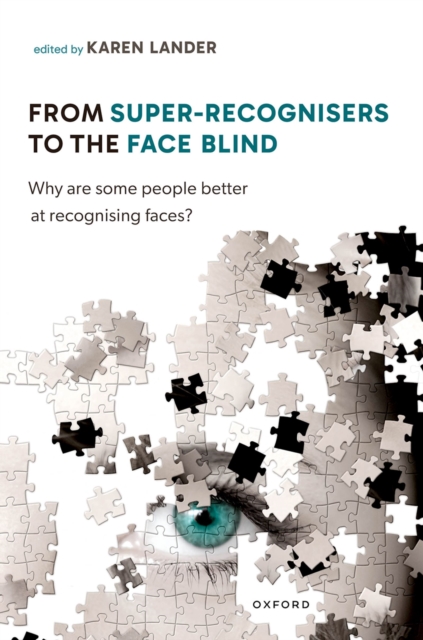
Very Short Introductions: Brilliant, Sharp, Inspiring How can we remember certain events from our childhood as if they happened yesterday and then forget we did last week?
Very Short Introductions: Brilliant, Sharp, Inspiring How can we remember certain events from our childhood as if they happened yesterday and then forget we did last week?
Shares groundbreaking research on telepathy, precognition, and other anomalous abilities of consciousness Explores the philosophy of neutral monism and the interconnected nature of consciousness and physical reality Demonstrates how focused intention and consciousness can shape the futureExploring the growing overlap between neuroscience and psi research, cognitive neuroscientist Richard Silberstein provides an overview of experimental evidence that challenges the materialist view of consciousness.
Discover the latest insights into emotions and mood — and learn how to turn this knowledge into greater self-awareness, better relationships, and more conscious choices.
The Guru Papers demonstrates with uncompromising clarity that authoritarian control, which once held societies together, is now at the core of personal, social, and planetary problems, and thus a key factor in social disintegration.
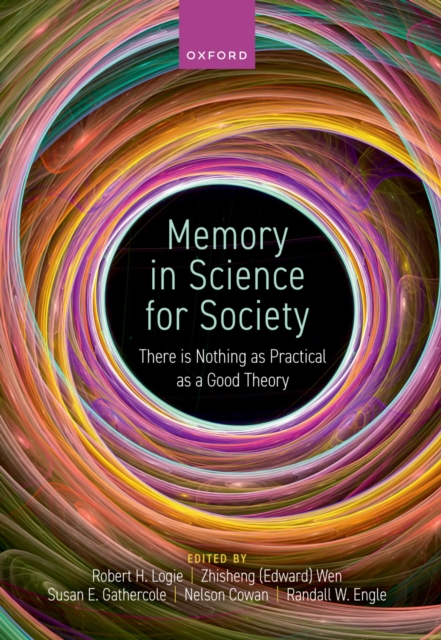
The study of aging and cognition has grown exponentially over the past 50 years, developing from a field dominated by experimentally based information-processing traditions to one represented by a more mature approach both conceptually and methodologically.
The study of aging and cognition has grown exponentially over the past 50 years, developing from a field dominated by experimentally based information-processing traditions to one represented by a more mature approach both conceptually and methodologically.
Thinking and reasoning, long the academic province of philosophy, have over the past century emerged as core topics of empirical investigation and theoretical analysis in the modern fields of cognitive psychology, cognitive science, and cognitive neuroscience.
This intriguing book was born out of the many discussions the authors had in the past 10 years about the role of scale-free structure and dynamics in producing intelligent behavior in brains.
This intriguing book was born out of the many discussions the authors had in the past 10 years about the role of scale-free structure and dynamics in producing intelligent behavior in brains.
As countries experience increasing cultural diversity both within and between their borders, contemporary researchers are exploring the connection between culture and children's learning and academic experiences.
Transforming Trauma emerges from contemporary, overlapping social challenges: Global losses of life and connection amidst the COVID-19 pandemic; brutal US police murders of Black and brown people followed by uprisings against systemic racism; and organizing against pervasive gender-based and sexual violence.
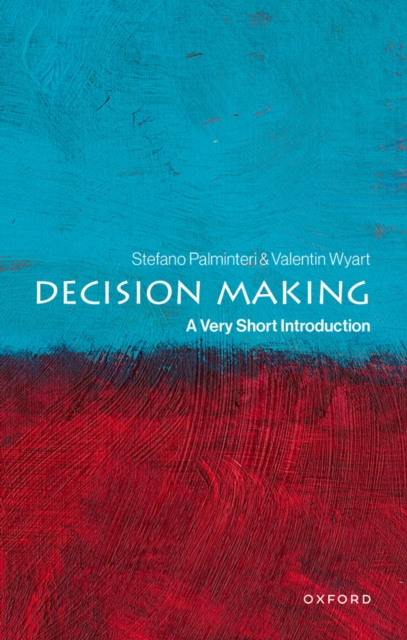
Breaking one's dieting rule or resolution to quit smoking, procrastination, convenient lies, even the failure of entire nations to follow through with plans to cut greenhouse gas emissions or keep a pandemic in check - these phenomena have been discussed by philosophers and behavioural scientists as examples of weakness of will and delay discounting.
Breaking one's dieting rule or resolution to quit smoking, procrastination, convenient lies, even the failure of entire nations to follow through with plans to cut greenhouse gas emissions or keep a pandemic in check - these phenomena have been discussed by philosophers and behavioural scientists as examples of weakness of will and delay discounting.
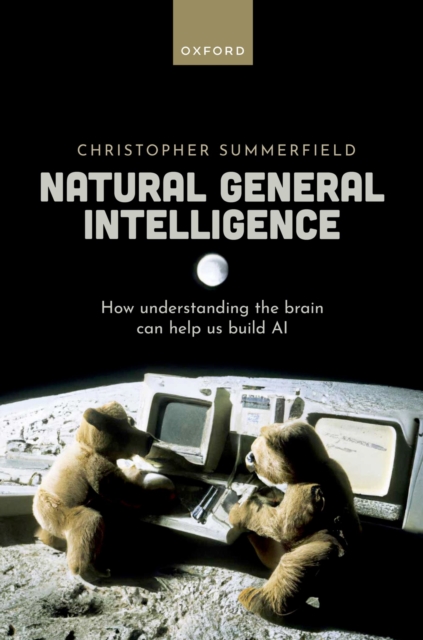
Since the time of Turing, computer scientists have dreamed of building artificial general intelligence (AGI) - a system that can think, learn and act as humans do.
Since the time of Turing, computer scientists have dreamed of building artificial general intelligence (AGI) - a system that can think, learn and act as humans do.
Phobia and American Literature, 1705-1937: A Therapeutic History tells a neglected, two-century history of phobia's gradual emergence as a variable suffix in medicine, politics, and literature, ready to be appended to an array of objects, situations, and ideas.