At the heart of this book is one of the most ancient and profound question philosophers, spiritual seekers, and curious individuals have pondered since the beginning of history: "e;Who am I?
This accessibly written and pedagogically rich text delivers the most comprehensive examination of its subject, carefully drawing on the most up-to-date research and covering a breadth of the central topics including communication, language acquisition, language processing, language disorders, speech, writing, and development.
Shakespeare and Cognition challenges orthodox approaches to Shakespeare by using recent psychological findings about human decision-making to analyse the unique characters that populate his plays.
The last 15 years has seen an explosion of studies that use cognitive science to understand theatre, whilst at the same time theatre-makers are using their artistic practice to address research question.
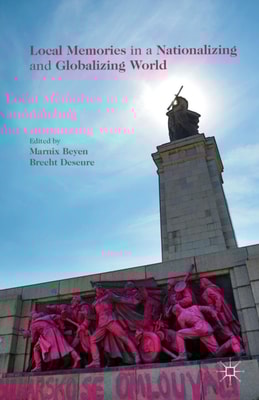
This book maps and analyses the changing state of memory at the start of the twenty-first century in essays written by scientists, scholars and writers.
The creative process refers to the sequence of thoughts and actions that are involved in the production of new work that is both original and valuable in its context.
How Creativity Happens In The Brain is about the brain mechanisms of creativity, how a grapefruit-sized heap of meat crackling with electricity manages to be so outrageously creative.
Recently, we have witnessed a rearticulation of the traditional relationship between the past, present and future, broadening historiography's range from studying past events to their later impact and meaning.
In historical studies, 'collective memory' is most often viewed as the product of nationalizing strategies carried out by political elites in the hope to create homogeneous nation-states.
Educational environments interact with children's unique genetic profiles, leading to wide individual differences in learning ability, motivation, and achievement in different academic subjects - even when children study with the same teacher, attend the same school and follow the same curriculum.
This concise volume presents for the first time a coherent and detailed account of why we experience feelings of being present in the physical world and in computer-mediated environments, why we often don't, and why it matters - for design, psychotherapy, tool use and social creativity amongst other practical applications.
Michael Hanchett Hanson weaves together the history of the development of the psychological concepts of creativity with social constructivist views of power dynamics and pragmatic insights.
Through ten research projects, this book explores the topic of educational learning and development in order to examine issues that are impacting, either positively or negatively, on current research in this area.
Education is generally supposed to help learners to develop new capacities and to be able to apply them in work and life - yet we still know very little about how to build useful capacities.
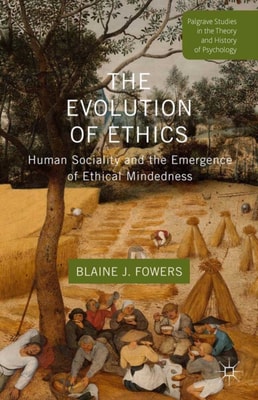
In this ground-breaking book, Aristotelian and evolutionary understandings of human social nature are brought together to provide an integrative, psychological account of human ethics.
This collection of original articles, a sequel of sorts to the 2009 Religion and the Implications of Radical Life Extension (Palgrave Macmillan), is the first sustained reflection, by scholars with expertise in the faith traditions, on how the transhumanist agenda might impact the body.
The environment is part of everyone's life but there are difficulties in communicating complex environmental problems, such as climate change, to a lay audience.
Investigations into how the brain actually works have led to remarkable discoveries and these findings carry profound implications for interpreting literature.
Human Agency and Neural Causes provides an analysis of our everyday thought about our conduct, and the neuroscience research concerning voluntary agency.
Alcorn examines qualities of student resistance to new and uncomfortable information and proposes methods for teachers to work productively with such resistance.
By identifying a pervasive cultivation of attention as a perceptual and cognitive state in eighteenth-century poetry, this book explores overt themes of attention and demonstrate techniques of readerly attention.
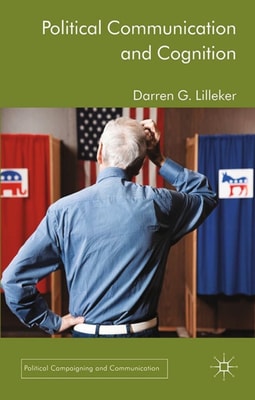
Political Communication and Cognition draws on a range of theories from communication psychology to explain how citizens receive communication about politics, how communication might make a citizen think and importantly what stimulates political participation, whether simply paying attention, chatting online or going to vote.
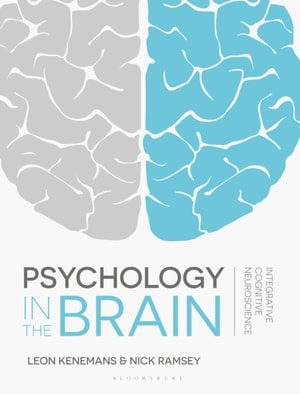
Taking an integrated approach to cognitive neuroscience, this is essential reading for advanced undergraduate and postgraduate students and researchers.
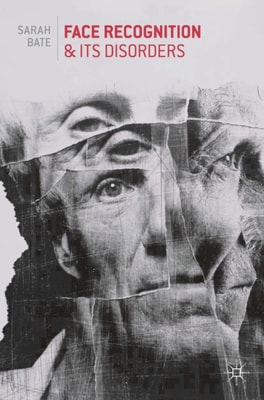
Focusing on disorders, Bate unravels the mysteries and intricacies of facial processing from a new perspective, covering cognitive, developmental and clinical issues.
Walmsley offers a succinct introduction to major philosophical issues in artificial intelligence for advanced students of philosophy of mind, cognitive science and psychology.