An integrative account of the neural underpinnings of decision making, emphasizing the ways in which some information sources are given more weight than others.
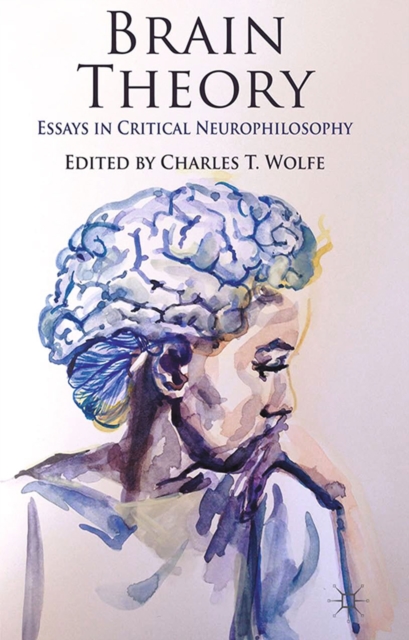
Essays on great figures and important issues, advances and blind alleys—from trepanation to the discovery of grandmother cells—in the history of brain sciences.
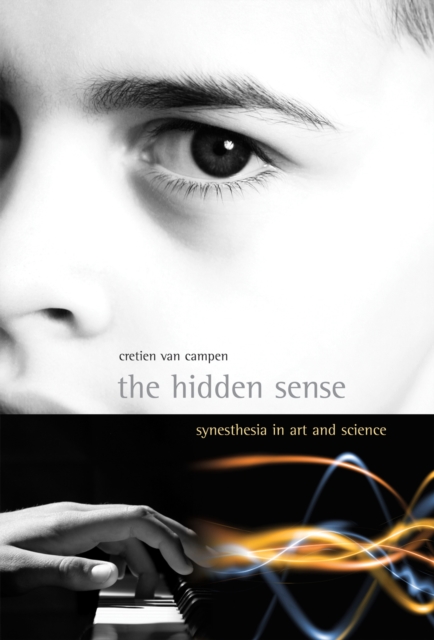
The uncommon sensory perceptions of synesthesia explored through accounts of synesthetes'' experiences, the latest scientific research, and suggestions of synesthesia in visual art, music, and literature.
This book brings together English versions of a selection of articles originally published in Spanish in Universitas Psychologica, one of the most important psychology journals in Latin America.
Grounded in cutting-edge knowledge about cognitive function and recovery from brain injury, this practical reference and text builds on the authors influential earlier work, Optimizing Cognitive Rehabilitation.
Cognitive neuroscience is the interdisciplinary study of how cognitive and intellectual functions are processed and represented within the brain, which is critical to building understanding of core psychological and behavioural processes such as learning, memory, behaviour, perception, and consciousness.
Brain Physiology and Psychology offers a curated collection of groundbreaking papers that have shaped our understanding of the brain and its relationship to psychological processes.
This highly influential work--now in a revised and expanded third edition incorporating major advances in the field--gives clinicians, educators, and students a new understanding of what the mind is, how it grows, and how to promote healthy development and resilience.
** THE SUNDAY TIMES BESTSELLER **A GUIDE TO USING THE SCIENCE OF THE BODY CLOCK TO CREATE THE OPTIMUM PERSONAL ROUTINE: SLEEP BETTER, WORK BETTER, FEEL BETTER.
A guide to critical thinking in the 'post-truth' era, from the author of Sunday Times best-seller The Organized Mind We live in a world of information overload.
'Both a brilliant scholar and a great writer, Leonard Mlodinow guides us through the fascinating science of what we feel, and why - and what we can do about it.
From one of our leading thinkers, a dazzling philosophical journey through virtual worldsIn the coming decades, the technology that enables virtual and augmented reality will improve beyond recognition.
As parents we all want the best for our children, but so often over-manage every aspect of their lives, leaving them overwhelmed, lacking motivation, and at risk of mental health problems as adults.
'Celebrates human cognitive diversity, and is rich with empathy and psychological insight' Steven Pinker 'Bold, intriguing, profound' Jay Elwes, Spectator Why can humans alone invent?
Investigating the current interest in obesity and fatness, this book explores the problems and ambiguities that form the lived experience of 'fat' women in contemporary Western society.
Presenting cutting-edge science in a playful manner, this exploration of a topic that has been veiled by taboo, the psychology of excretion, surveys an assortment of embarrassing processes, shameful disorders and disgusting habits taking the reader on a tour of the history and literature of elimination.
Winner of the CHOICE Outstanding Academic Titles, this key textbook offers an insight on the theory of emotional intelligence and its vital practical value.
An examination of the relationship between imperial collapse, the emergence of successor nationalism, the exclusion of ethnic groups and the refugee experience.
This book sheds light on the emotional side of risk taking behaviour using an innovative cross-disciplinary approach, mixing financial competences with psychology and affective neuroscience.