Simple Heuristics That Make Us Smart invites readers to embark on a new journey into a land of rationality that differs from the familiar territory of cognitive science and economics.
This volume presents, in an integrated framework, contemporary perspectives on the role of nonverbal behavior in psychological regulation, adaptation, and psychopathology, and includes both empirical and theoretical research that is central to our understanding of the reciprocal influences between nonverbal behavior, psychopathology, and therapeutic processes.
Sexual harassment in the workplace, date rape, and domestic violence dominate the headlines and have recently sparked scholarly debates about the nature of the sexes.
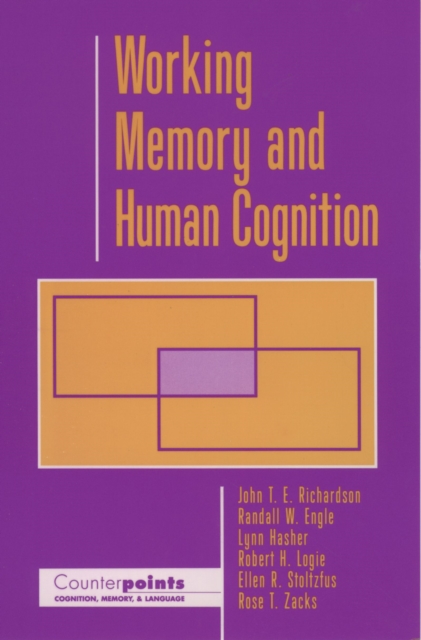
This new volume in the Counterpoints series compares and contrasts different conceptions of working memory, generally recognized as the human cognitive system responsible for temporary storage of information.
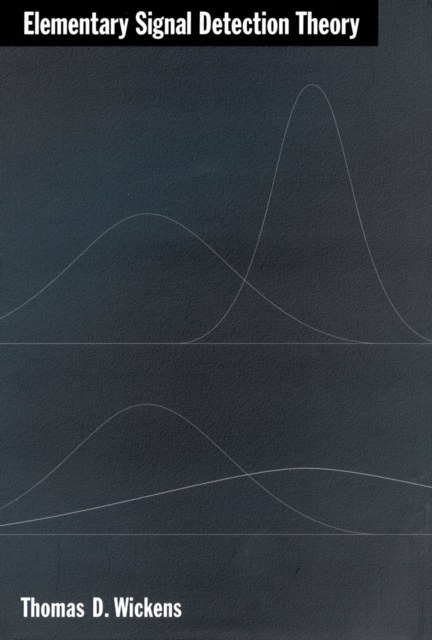
Signal detection theory, as developed in electrical engineering and based on statistical decision theory, was first applied to human sensory discrimination about 40 years ago.
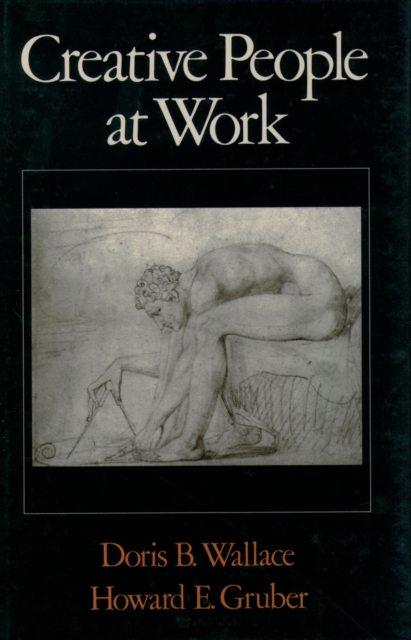
To demystify creative work without reducing it to simplistic formulas, Doris Wallace and Howard Gruber, one of the world's foremost authorities on creativity, have produced a unique book exploring the creative process in the arts and sciences.
In this landmark work, Richard Lazarus -- one of the world's foremost authorities -- offers a comprehensive treatment of the psychology of emotion, its role in adaptation, and the issues that must be addressed to understand it.
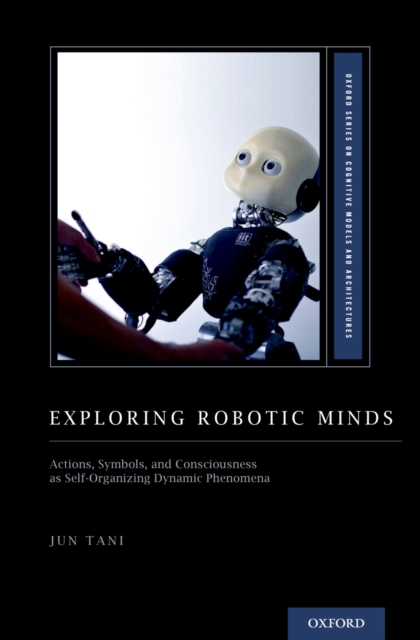
In Exploring Robotic Minds: Actions, Symbols, and Consciousness as Self-Organizing Dynamic Phenomena, Jun Tani sets out to answer an essential and tantalizing question: How do our minds work?
Ethicists and psychologists have become increasingly interested in the development of virtue in recent years, approaching the topic from the perspectives of virtue ethics and developmental psychology respectively.
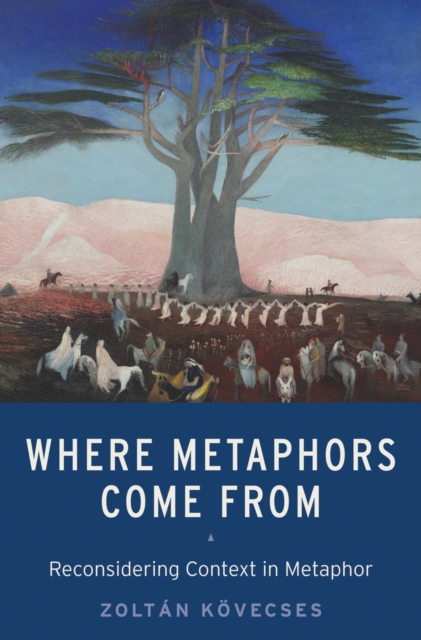
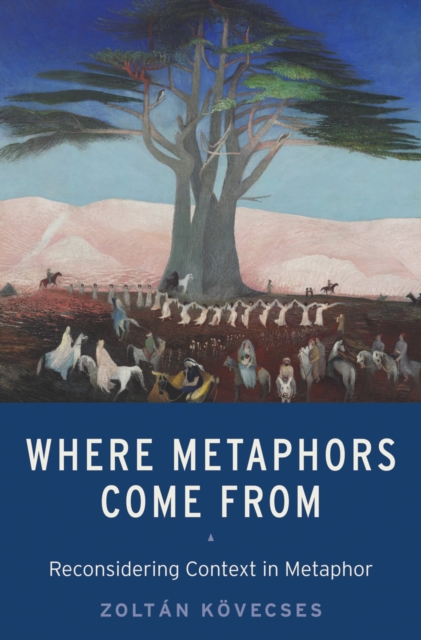
In Where Metaphors Come From, Zoltan Kovecses proposes a metaphorical grounding that augments and refines conceptual metaphor theory according to which conceptual metaphors are based on our bodily experience.
In Where Metaphors Come From, Zoltan Kovecses proposes a metaphorical grounding that augments and refines conceptual metaphor theory according to which conceptual metaphors are based on our bodily experience.
Evidence Based Treatment with Older Adults: Theory, Practice, and Research provides a detailed examination of five research-supported psychosocial interventions for use with older adults: cognitive behavioral therapy, motivational interviewing, life review/reminiscence, problem solving therapy, and psychoeducational/social support approaches.
Winner of the 2011 Arthur Shapiro Award for Best Book on Hypnosis, from the Society of Clinical and Experimental Hypnosis An explosion of interest in the applications of hypnosis for clinical problems, especially pain, has led to a wide accumulation of research on hypnosis as a viable, beneficial supplement to treatment protocols.
In this ground-breaking synthesis of art and science, Diana Deutsch, one of the world's leading experts on the psychology of music, shows how illusions of music and speech--many of which she herself discovered--have fundamentally altered thinking about the brain.
In this ground-breaking synthesis of art and science, Diana Deutsch, one of the world's leading experts on the psychology of music, shows how illusions of music and speech--many of which she herself discovered--have fundamentally altered thinking about the brain.
A familiar trope of cognitive science, linguistics, and the philosophy of psychology over the past forty or so years has been the idea of the mind as a modular system-that is, one consisting of functionally specialized subsystems responsible for processing different classes of input, or handling specific cognitive tasks like vision, language, logic, music, and so on.
A familiar trope of cognitive science, linguistics, and the philosophy of psychology over the past forty or so years has been the idea of the mind as a modular system-that is, one consisting of functionally specialized subsystems responsible for processing different classes of input, or handling specific cognitive tasks like vision, language, logic, music, and so on.
Pediatric Disorders of Regulation in Affect and Behavior, second edition is a skills-based book for mental health professionals working with children experiencing disorders of self-regulation.
This book is a guide for child psychotherapists interested in applying clinical behavioral analysis to their work and for clinical behavior analysts working with children.
Professional Development, Training, and Supervision in Human Services Organizations provides the latest research on Human Service Organizations (HSO) groups, both public and private, and their use of the Organizational Behavior Management (OBM) model for effective designing, implementing and maintaining services within HSOs.
Flexible Applications of Cognitive Processing Therapy: Evidence-Based Treatment Methods provides a detailed roadmap on how to apply therapy to a wide-range of complex patients.