One hundred years after the publication of The Interpretation of Dreams, Freud remains the most frequently cited author of our culture—and one of the most controversial.
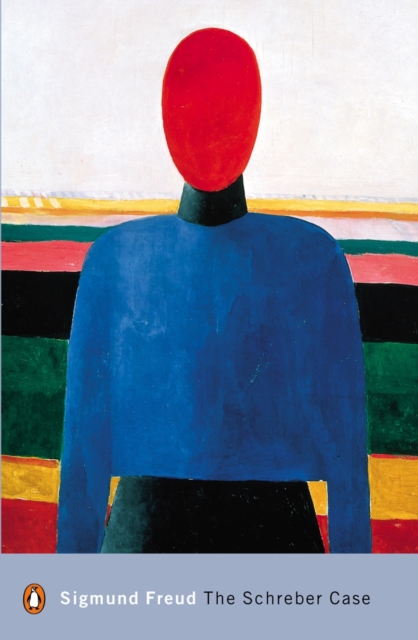
This fascinating book, which presents an early psychoanalyst’s session-by-session notes on a case of hysteria caused by severe sexual trauma and incest, offers a vivid portrait of psychoanalytic practice in the second decade of the twentieth century.
"Cada autor ilustra a partir de sus experiencias de investigación vinculadas a una práctica clínica, la necesidad de un psicoanálisis vinculado al campo del cuidado, de la educación, del trabajo social.
Incisive and highly original, an investigation of the connection between literature and psychoanalysis, from Britain's leading psychoanalyst, author of On Kissing, Tickling and Being Bored and On Kindness, the essential Adam PhillipsFor Adam Phillips - as for Freud and many of his followers - poetry and poets have always held an essential place, as both precursors and unofficial collaborators in the psychoanalytic project.
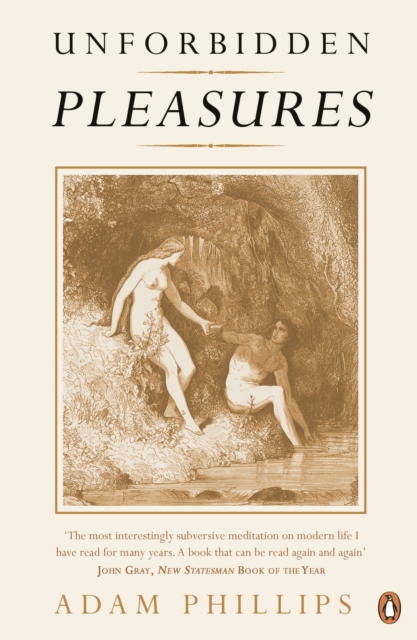
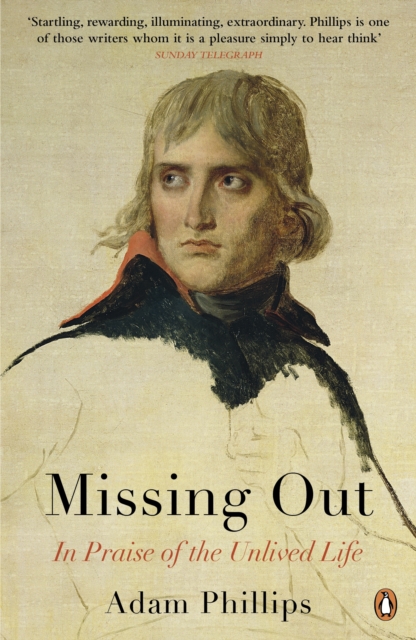
Unforbidden Pleasures is the dazzling new book from Adam Phillips, author of Missing Out and Going SaneAdam Phillips takes Oscar Wilde as a springboard for a deep dive into the meanings and importance of the Unforbidden, from the fall of our 'first parents' Adam and Eve to the work of the great twentieth-century psychoanalytic thinkers.
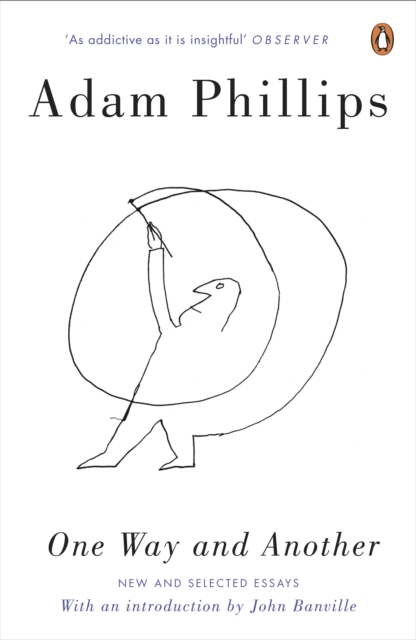
A selection of the most popular and relevant essays from Adam Phillips, the man New Yorker called 'Britain's foremost psychoanalytic writer'Phillips's prose is poetic in the best sense: it is muscular, resonant, and thrums with a dark music that is all its own' John BanvilleIn the twenty essays gathered here, ranging across his entire oeuvre, psychoanalyst Adam Phillips offers a vivid introduction to his discipline as well as his own unique thinking.
To talk about getting better - about wanting to change in ways that we might choose and prefer - is to talk about pursuing the life we want; in the full knowledge that our pictures of the life we want, of our version of a good life, come from or come out of what we have already experienced.
This investigation of religion by greatest psychoanalyst of the twentieth-century explores the role faith can take in the life of man, what it can mean to us and why as a species we are inclined towards it.
In this absorbing and provocative new book from one of Britain's most elegant and original prose stylists, psychoanalyst Adam Phillips addresses a variety of urgent concerns - many centred around the idea of balance.
The tormenting of the body by the troubled mind, hysteria is among the most pervasive of human disorders - yet at the same time it is the most elusive.
A collection of some of Freud's most famous essays, including ON THE INTRODUCTION OF NARCISSISM; REMEMBERING, REPEATING AND WORKING THROUGH; BEYOND THE PLEASURE PRINCIPLE; THE EGO AND THE ID and INHIBITION, SYMPTOM AND FEAR.
In what remains one of his most seminal papers, Freud considers the incompatibility of civilisation and individual happiness, and the tensions between the claims of society and the individual.
By a detailed investigation of the universal phenomenon of dreaming, Freud discovered a radical new way of exploring the unconscious and recognized that dreams are a conflict and compromise between conscious and unconscious impulses.
Freud's religious unbeliefs are too easily dismissed as the standard scientific rationalism of the twentieth-century intellectual, yet he scorned the high-minded humanism of his contemporaries.
Building on the crucial insight that jokes use many of the same mechanisms he had already discovered in dreams, Freud developed one of the richest and most comprehensive theories of humour that has ever been produced.
One of Freud's central achievements was to demonstrate how unacceptable thoughts and feelings are repressed into the unconscious, from where they continue to exert a decisive influence over our lives.
Here are the essential ideas of psychoanalytic theory, including Freud's explanations of such concepts as the Id, Ego and Super-Ego, the Death Instinct and Pleasure Principle, along with classic case studies like that of the Wolf Man.
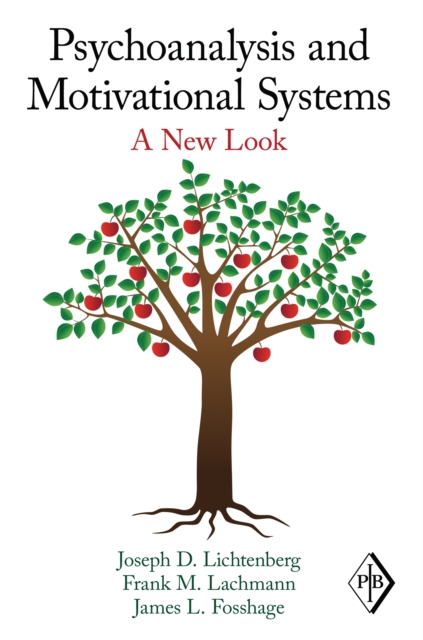
Introduced in Psychoanalysis and Motivation (1989) and further developed in Self and Motivational Systems (1992), The Clinical Exchange (1996), and A Spirit of Inquiry (2002), motivational systems theory aims to identify the components and organization of mental states and the process by which affects, intentions, and goals unfold.
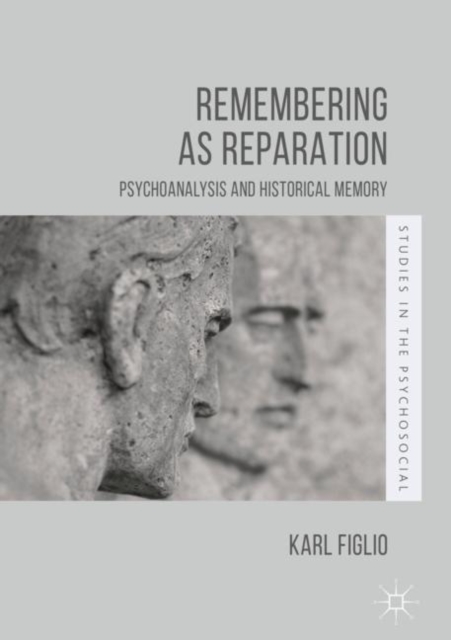
This book brings together psychoanalysis, clinical and theoretical, with history in a study of remembering as reparation: not compensation, but recognition of the actuality of perpetration and the remorseful urge to rejuvenate whatever represents this damage.
The first comprehensive look at how Victorian fiction and British psychoanalysis shaped each otherNovel Relations engages twentieth-century post-Freudian British psychoanalysis in an unprecedented way: as literary theory.
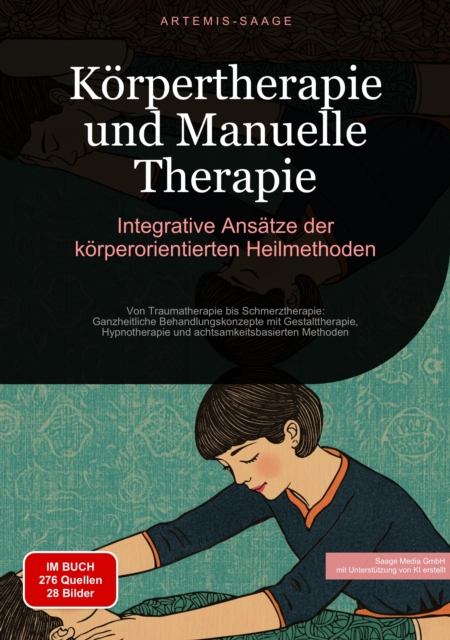
Dieses Fachbuch bietet einen umfassenden Einblick in die Welt der körperorientierten Heilmethoden und deren Integration in therapeutische Behandlungskonzepte.
El nazismo fue abordado por infinidad de autores en su contexto histórico, político, sociológico, filosófico, económico, militar y psicológico, intentando comprenderlo.
Este libro rinde homenaje a la obra El malestar en la cultura, imprescindible para cualquiera que pretenda ahondar en las causas de la infelicidad humana y que Freud explora al constatar las dificultades que entraña el intento de regirnos por el principio del placer.
Los síntomas actuales, las diversas sexualidades, las nuevas constelaciones familiares, la intervención de la ciencia en los asuntos privados, las redes, las pantallas, los consumos, youtubers devenidos líderes, las infancias y el empuje a definirse, violencias y femicidios, están encarnados por sujetos que no esperan al psicoanalista para gozar (cada quien a su modo), pero lo encontrarán, en el mejor de los casos, para alojarlos cuando lo que no anda devenga pregunta.
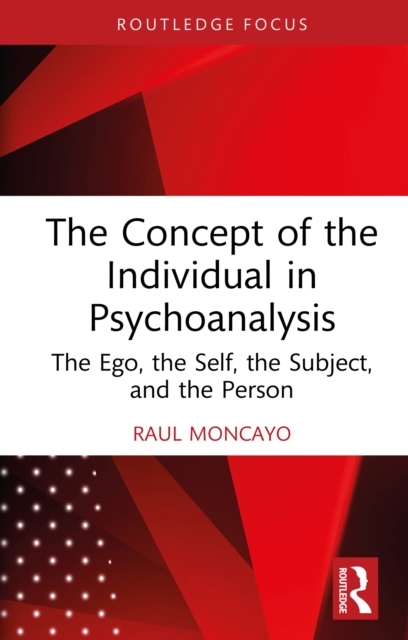
The Concept of the Individual in Psychoanalysis considers the different conceptions of the individual that are found in psychoanalysis according to the culture in which it operates, and its political structure.
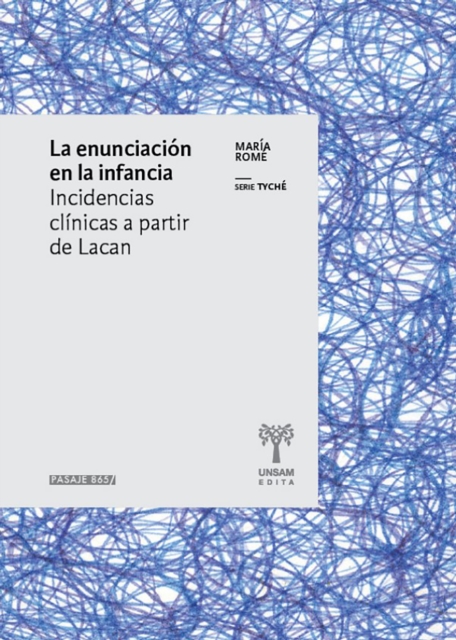
En un mundo que ofrece innumerables novedades para abordar las infancias –sexualidad, crianza, derechos y leyes que las amparan–, María Romé propone detenerse a escuchar la verdad del niño, aquello que tiene para decir más allá de sus padres y del discurso que lo atraviesa y que lo nombra desde su prehistoria.