Studienarbeit aus dem Jahr 2021 im Fachbereich Führung und Personal - Mitarbeitermotivation, Mitarbeiterzufriedenheit, Note: 1,3, Hochschule für Wirtschaft und Recht Berlin, Sprache: Deutsch, Abstract: Die Arbeit beschäftigt sich mit verschiedenen Theorien der Mitarbeitermotivation und geht dabei auch auf Praxisbeispiele ein.
Bachelorarbeit aus dem Jahr 2020 im Fachbereich Führung und Personal - Mitarbeitermotivation, Mitarbeiterzufriedenheit, Note: 1,2, Deutsche Hochschule für Prävention und Gesundheitsmanagement GmbH, Veranstaltung: Gesundheitsmanagement, Sprache: Deutsch, Abstract: Ziel der Datenerhebung ist es, die Mitarbeitermotivation im Unternehmen „Emotions“ mit dem standardisierten Fragebogen Mitarbeitermotivation nach Herzberg zu messen, Diskrepanzen zwischen dem, was das Unternehmen zu bieten hat und dem was den Mitarbeitern wichtig ist, zu finden und geeignete Maßnahmen zur Verbesserung der Mitarbeitermotivation abzuleiten.
Studienarbeit aus dem Jahr 2021 im Fachbereich Führung und Personal - Sonstiges, Note: 1,0, Hochschule Deggendorf, Sprache: Deutsch, Abstract: Managementprozesse stellen die Geschäftsprozesse eines Unternehmens dar, die die Steuerung und zielorientierte Führung des Unternehmens umfassen.
Studienarbeit aus dem Jahr 2021 im Fachbereich Führung und Personal - Sonstiges, Note: 1,3, Hochschule Deggendorf, Sprache: Deutsch, Abstract: Der Erfolg eines Unternehmens steht und fällt mit seiner Unternehmenskultur.
Studienarbeit aus dem Jahr 2020 im Fachbereich Führung und Personal - Personalführung, Note: 1,7, Hochschule für angewandtes Management, Sprache: Deutsch, Abstract: Die Hausarbeit untersucht, welchen Beitrag die Teamentwicklung für die systematische Personalentwicklung in Unternehmen und der öffentlichen Verwaltung leistet.
Essay aus dem Jahr 2021 im Fachbereich VWL - Arbeitsmarktökonomik, Note: 2,0, Universität zu Köln, Sprache: Deutsch, Abstract: Retirement from the labour market takes place regularly on the basis of the statutory retirement age or on the basis of early retirement schemes.
Choose dignity in uncertainty A reflective and emotionally mature journey through life after sixty, where a woman learns to face grief, healing empty nest, therapy, and the quiet courage required to begin again.
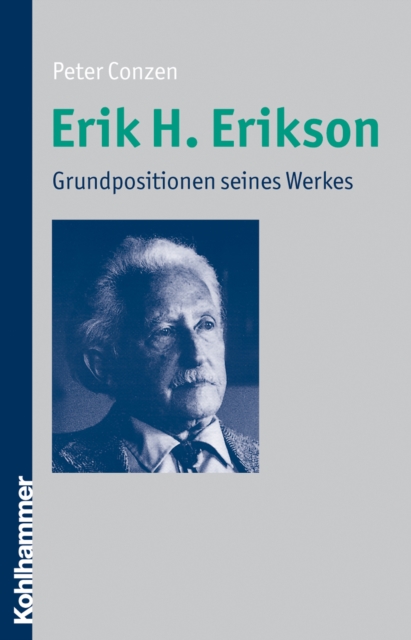
"Dieses Buch fasst alle Grundgedanken eines der populärsten und originellsten Vertreter der Psychoanalyse in übersichtlicher und präziser Weise zusammen.
Der Autor untersucht in diesem Werk Zusammenhänge aus Sicht des fokalen Lebensmitteleinzelhandelsunternehmens in „seinem“ Netzwerk im Kontext des komplexen Phänomens der Umsetzung von Corporate Social Responsibility.
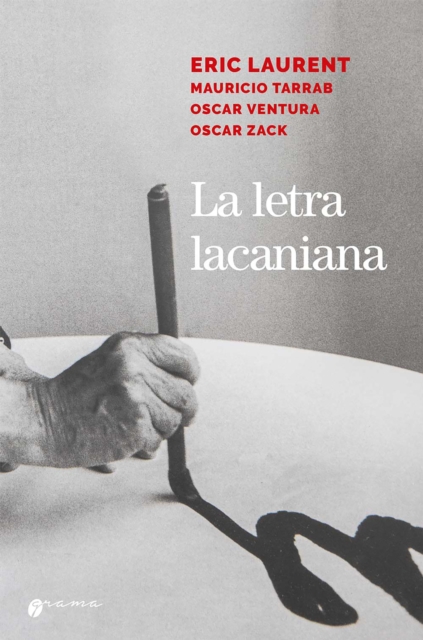
La escritura en psicoanálisis es caótica, prolija, sabionda, erudita, aburrida, intensa, desesperante, anodina, expulsiva, placentera, laberíntica, poética… Es a veces como la sexualidad, como la pulsión.
Bachelorarbeit aus dem Jahr 2025 im Fachbereich Führung und Personal - Mitarbeitermotivation, Mitarbeiterzufriedenheit, Note: 1,5, Deutsche Hochschule für Prävention und Gesundheitsmanagement GmbH, Sprache: Deutsch, Abstract: Die umfassende Zielsetzung der vorliegenden Thesis liegt darin, die zentralen Einflussfaktoren auf die Mitarbeitermotivation in einem herausfordernden und dynamischen Arbeitsumfeld, insbesondere in Rehabilitationskliniken, zu untersuchen.
Psicología de las masas reúne tres trabajos escritos por Sigmund Freud (1856-1939) bajo la profunda impresión causada por la bárbara contienda que había asolado Europa entre 1914 y 1919.
Publicado en 1923, El yo y el ello -trabajo en el que Sigmund Freud (1856-1939) comenzó a dar relevancia a las relaciones que de forma dialéctica mantienen entre sí el yo, el super-yo y el ello, idea que acabaría constituyendo uno de los fundamentos de su doctrina psicoanalítica- supuso un profundo viraje en el pensamiento del médico vienés y dio paso a lo que se considera su periodo de madurez.
Verdaderas reconstrucciones orgánicas de la personalidad completa del enfermo (y, por lo tanto, de su biografía y de su entorno), los historiales clínicos de Sigmund Freud (1856-1939) permiten contemplar de primera mano la diagnosis y la terapia del enfoque psicoanalítico en la práctica.
Das Buch verbindet praxisnahe Einblicke mit wissenschaftlicher Expertise und zeigt, wie Organisationen in herausfordernden Umfeldern ihre Stärken bewahren und neue Chancen nutzen können.
Fallstudie aus dem Jahr 2023 im Fachbereich Führung und Personal - Sonstiges, (IU Internationale Hochschule), Sprache: Deutsch, Abstract: Die vorliegende Fallstudie untersucht die Notwendigkeit und die verschiedenen Aspekte eines Evaluationskonzepts für politische Bildung und bietet Einblicke in bewährte Methoden, Herausforderungen und potenzielle Lösungsansätze.
El texto propone una relectura de Más allá del principio del placer, destacando la tensión fundamental entre la labor hermenéutica del psicoanálisis y la deriva metabiológica que Freud introduce al formular la pulsión de muerte, polémica incluso entre sus seguidores.
Fallstudie aus dem Jahr 2024 im Fachbereich Führung und Personal - Personalführung, Note: 2,0, , Sprache: Deutsch, Abstract: Die Bedeutung von Diversity im Arbeitsleben wächst kontinuierlich, da Arbeitnehmer:innen zunehmend Vielfalt, Inklusion und Gleichstellung fordern.
Studienarbeit aus dem Jahr 2024 im Fachbereich Führung und Personal - Sonstiges, Note: 1,3, , Veranstaltung: Personalfachkaufmann/-frau - Personalfachkaufleute Weiterbildung, Sprache: Deutsch, Abstract: Die XY GmbH, ein mittelständisches Unternehmen mit 150 Mitarbeitenden, plant die Einführung der elektronischen Personalakte, um den aktuellen Papieraktenprozess abzulösen.
Situadas en el precario cruce de caminos trazado por la clásica dicotomía que demarca las ciencias naturales y las ciencias sociales, la psicología y la psiquiatría (así como todo el amplio conjunto de disciplinas emparentadas con ellas) se han debatido desde su nacimiento entre las vertientes del positivismo más férreo y el humanismo latente que hasta ahora han convivido en su seno en un tenso equilibrio.
Abschlussarbeit aus dem Jahr 2024 im Fachbereich Führung und Personal - Sonstiges, Note: 1,3, , Veranstaltung: Personalfachkaufmann/-frau - Personalfachkaufleute Weiterbildung, Sprache: Deutsch, Abstract: Die XY GmbH plant die Einführung eines betrieblichen Eingliederungsmanagements (BEM), um erkrankten Mitarbeitenden nach längeren Ausfallzeiten den Wiedereinstieg in den Arbeitsalltag zu erleichtern.
Ninguna teoría acerca del funcionamiento y estructura de la mente ha ejercido tanta influencia ni ha adquirido un estatus tan preponderante como la doctrina psicoanalítica, cuyas categorías y explicaciones no tardaron en convertirse en núcleo de un modo radicalmente nuevo de entender la realidad psíquica que ha marcado el mundo moderno.
Ninguna teoría acerca del funcionamiento y estructura de la mente ha ejercido tanta influencia ni ha adquirido un estatus tan preponderante como la doctrina psicoanalítica, cuyas categorías y explicaciones no tardaron en convertirse en núcleo de un modo radicalmente nuevo de entender la realidad psíquica que ha marcado el mundo moderno.
El malestar en la cultura, trabajo en el que Sigmund Freud (1856-1939) sentó que nuestra especie ha pagado por el progreso el elevado precio de sacrificar la vida instintiva y reprimir la espontaneidad, es, como señala Carlos Gómez en su introducción al mismo, uno de los ensayos con más amplias repercusiones en el pensamiento del siglo XX.
Publicado en 1905, El chiste y su relación con lo inconsciente marcó un hito en la trayectoria intelectual de Sigmund Freud (1856-1939), ya que representó un paso decisivo hacia la comprensión de los mecanismos de la vida inconsciente que, de forma compulsiva, gobiernan la supuesta voluntad libre o el presunto razonar de los hombres.
Bachelorarbeit aus dem Jahr 2024 im Fachbereich Führung und Personal - Mitarbeitermotivation, Mitarbeiterzufriedenheit, Note: 1,3, FOM Hochschule für Oekonomie & Management gemeinnützige GmbH, Stuttgart, Sprache: Deutsch, Abstract: In einer Arbeitswelt, die zunehmend von Stress und Leistungsdruck geprägt ist, stellt sich die Frage: Können Unternehmen durch gezielte Gesundheitsförderung nicht nur das Wohlbefinden ihrer Mitarbeiter steigern, sondern auch deren Bindung zum Unternehmen nachhaltig stärken?
Sammelband aus dem Jahr 2024 im Fachbereich Führung und Personal - War for Talents, , Sprache: Deutsch, Abstract: Dieser Sammelband enthält drei Hausarbeiten.
CEO en la gestión humana ofrece una guía integral y estratégica para líderes empresariales que buscan potenciar el talento humano como palanca crucial para el éxito de sus organizaciones.
Studienarbeit aus dem Jahr 2023 im Fachbereich Führung und Personal - Mitarbeitermotivation, Mitarbeiterzufriedenheit, Note: 2,3, (IU Internationale Hochschule), Sprache: Deutsch, Abstract: Diese Seminararbeit untersucht die vielschichtigen Aspekte der Mitarbeiterbeteiligung und beleuchtet das Konzept des "Buy-In" als zentrales Element im Veränderungsprozess.
Der zweite Band zu den Schlüsselwerken Kritischer Lebenskunst enthält 20 wichtige Werke der Humanwissenschaften seit dem Zweiten Weltkrieg und repräsentiert ein breites Feld von disziplinären Herangehensweisen.