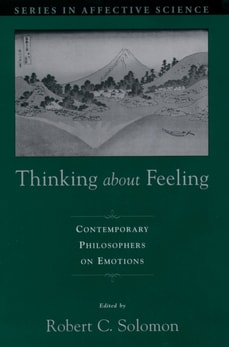
The emotions a character feels--Hamlet's vengefulness when he realizes his uncle has killed his father, Anna Karenina's despair when she feels she can longer sustain her life, Marcel's joy when he tastes a piece of madeleine cake--are vital aspects of the experience of fiction.
Homesickness today is dismissed as a sign of immaturity, what children feel at summer camp, but in the nineteenth century it was recognized as a powerful emotion.
Emotions vary extensively between cultures, especially in their eliciting conditions, social acceptability, forms of expression, and co-extent of terminology.
In this landmark work, Richard Lazarus -- one of the world's foremost authorities -- offers a comprehensive treatment of the psychology of emotion, its role in adaptation, and the issues that must be addressed to understand it.
This volume brings together, for the first time, inquiries into the size and proximity of social networks and emotion in social relationships to advance understanding of how emotion in significant social relationships influences health.
Emotion research has become a mature branch of psychology, with its own standardized measures, induction procedures, data-analysis challenges, and sub-disciplines.
Homesickness today is dismissed as a sign of immaturity, what children feel at summer camp, but in the nineteenth century it was recognized as a powerful emotion.
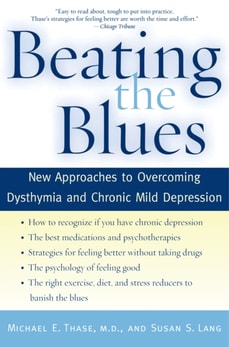
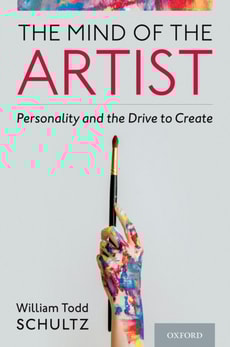
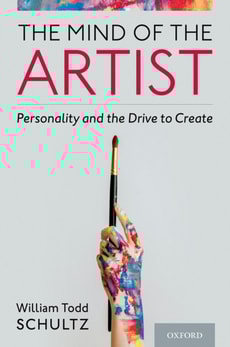
When we think of psychology, we think of a field dedicated to understanding and curing the dark side of life--addictions, phobias, compulsions, anxieties, and on and on.
When we think of psychology, we think of a field dedicated to understanding and curing the dark side of life--addictions, phobias, compulsions, anxieties, and on and on.
The volume begins with an overview by Herbert Kelman discussing reconciliation as distinct from related processes of conflict settlement and conflict resolution.
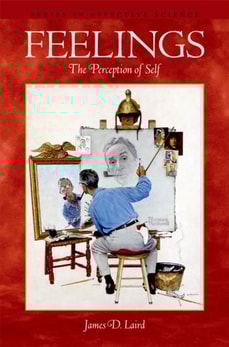
Feelings argues for the counter-intuitive idea that feelings do not cause behavior, but rather follow from behavior, and are, in fact, the way that we know about our own bodily states and behaviors.
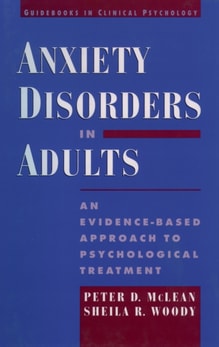
Recently developed psychosocial treatments for anxiety disorders reflect the systematic influence of scientifically generated knowledge, and these new treatments yield strong results.
When Oxford published Emotion and Adaptation, the landmark 1991 book on the psychology of emotion by internationally acclaimed stress and coping expert Richard Lazarus, Contemporary Psychology welcomed it as "e;a brightly shining star in the galaxy of such volumes.
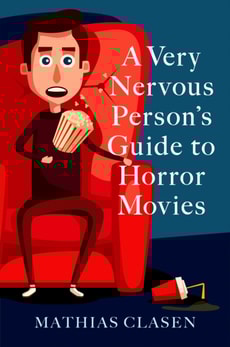
Why your worst nightmares about watching horror movies are unfoundedFilms about chainsaw killers, demonic possession, and ghostly intruders make some of us scream with joy.