Most Americans are not aware that the US prison population has tripled over the past two decades, nor that the US has the highest rate of incarceration in the industrialized world.
Respectable Citizens - Shady Practices seeks to explore a previously neglected aspect of crime in modern society - namely those crimes that are committed by otherwise 'respectable' citizens in the market arena.
Respectable Citizens - Shady Practices seeks to explore a previously neglected aspect of crime in modern society - namely those crimes that are committed by otherwise 'respectable' citizens in the market arena.
Preventing recidivism is one of the aims of criminal justice, yet existing means of pursuing this aim are often poorly effective, highly restrictive of basic freedoms, and significantly harmful.
Arising from Soviet prison camps in the 1930s, career criminals known as 'thieves-in-law' exist in one form or another throughout post-Soviet countries and have evolved into major transnational organized criminal networks since the dissolution of the USSR.
Arising from Soviet prison camps in the 1930s, career criminals known as 'thieves-in-law' exist in one form or another throughout post-Soviet countries and have evolved into major transnational organized criminal networks since the dissolution of the USSR.
In recent years, British drug policy has undergone a transformation: tackling 'drug-driven' crime through criminal justice interventions has arguably become the central priority and focus.
In recent years, British drug policy has undergone a transformation: tackling 'drug-driven' crime through criminal justice interventions has arguably become the central priority and focus.
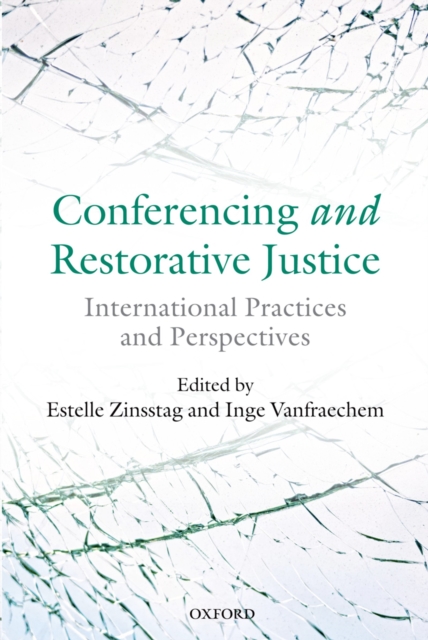
Conferencing and Restorative Justice: International Practices and Perspectives offers an analysis of conferencing practices around the world, examining the range of approaches to different types of crimes and offender age groups, and assessing their outcomes.
Conferencing and Restorative Justice: International Practices and Perspectives offers an analysis of conferencing practices around the world, examining the range of approaches to different types of crimes and offender age groups, and assessing their outcomes.
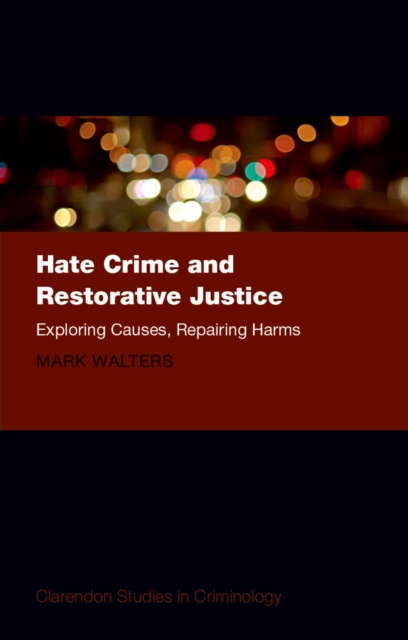
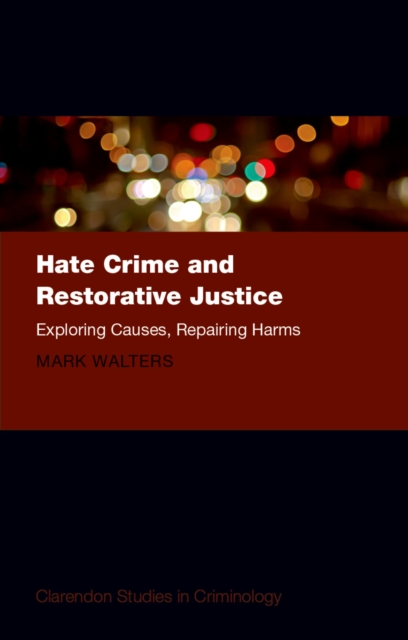
The product of an 18 month empirical study which examined the use of restorative justice for hate crime in the United Kingdom, this book draws together theory and practice in order to examine the causes and consequences of hate crime victimisation.
The product of an 18 month empirical study which examined the use of restorative justice for hate crime in the United Kingdom, this book draws together theory and practice in order to examine the causes and consequences of hate crime victimisation.
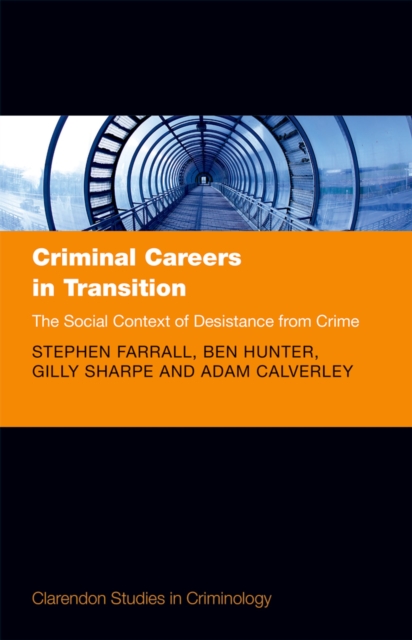
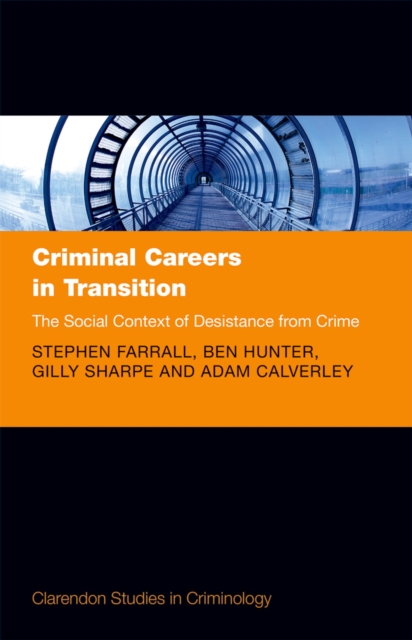
Continuing previous work exploring why people stop offending, and the processes by which they are rehabilitated in the community, Criminal Careers in Transition: The Social Context of Desistance from Crime follows the completion of a fifth sweep of interviews with members of a cohort of former probationers interviewed since the late-1990s.
Continuing previous work exploring why people stop offending, and the processes by which they are rehabilitated in the community, Criminal Careers in Transition: The Social Context of Desistance from Crime follows the completion of a fifth sweep of interviews with members of a cohort of former probationers interviewed since the late-1990s.
Preventing recidivism is one of the aims of criminal justice, yet existing means of pursuing this aim are often poorly effective, highly restrictive of basic freedoms, and significantly harmful.
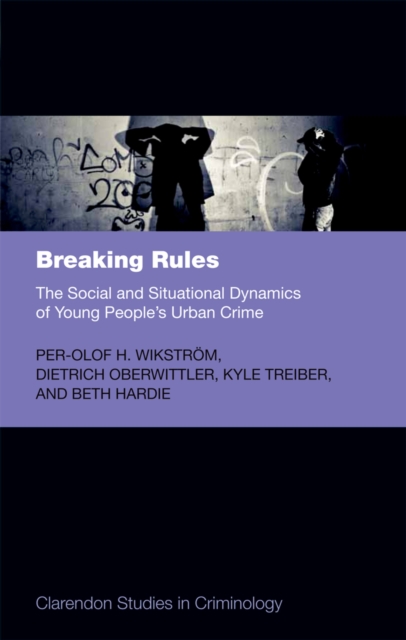
As the youth gang phenomenon becomes an important and sensitive public issue, communities from Los Angeles to Rio, Cape Town to London are facing the reality of what such violent groups mean for their children and young people.
As the youth gang phenomenon becomes an important and sensitive public issue, communities from Los Angeles to Rio, Cape Town to London are facing the reality of what such violent groups mean for their children and young people.
When people witness occasions when police use their powers to investigate crime and arrest offenders, how do those members of the public assess what they have seen?
When people witness occasions when police use their powers to investigate crime and arrest offenders, how do those members of the public assess what they have seen?
The Art of Cyber Defense: From Risk Assessment to Threat Intelligence offers a comprehensive exploration of cybersecurity principles, strategies, and technologies essential for safeguarding digital assets and mitigating evolving cyber threats.
Most Americans are not aware that the US prison population has tripled over the past two decades, nor that the US has the highest rate of incarceration in the industrialized world.
Crime Reconstruction, Second Edition is an updated guide to the interpretation of physical evidence, written for the advanced student of forensic science, the practicing forensic generalist and those with multiple forensic specialists.
Keeping Religious Institutions Secure explores the unique vulnerabilities that churches, synagogues, and mosques face in regards to security, making them attractive to criminals who see them as easy targets.
The third edition of The Business Response to Misconduct Allegations is a step-by-step guide for what to do-and what not to do-in performing an investigation into claims of employee policy violations.
Security for Business Professionals offers business executives and managers everything they need to set-up a security program, especially for those who don't have the resources to hire an in-house security staff.
The Analysis of Burned Human Remains, Second Edition, provides a primary source for osteologists and the medical/legal community for the understanding of burned bone remains in forensic or archaeological contexts.
The Manager's Handbook for Business Security is designed for new or current security managers who want build or enhance their business security programs.