The Behavioral Science of Firearms focuses on applying behavioral science principles and knowledge to inform and improve firearm-related policy, practice, and research.
In many criminal trials, forensic technical evidence is lacking and triers of fact must rely on the reliability of eyewitness statements, identifications, and testimony; however, such reports can be riddled with deceptive statements or erroneous recollections.
This volume makes a contribution to the field of neurolaw by investigating issues raised by the development, use, and regulation of neurointerventions.
The Art of Cyber Defense: From Risk Assessment to Threat Intelligence offers a comprehensive exploration of cybersecurity principles, strategies, and technologies essential for safeguarding digital assets and mitigating evolving cyber threats.
Evaluations of a defendant's competence to stand trial (CST) are probably the most frequently performed forensic evaluations, with estimates in the United States ranging from 60,000 to 70,000 annually.
Evaluations of a defendant's competence to stand trial (CST) are probably the most frequently performed forensic evaluations, with estimates in the United States ranging from 60,000 to 70,000 annually.
This volume makes a contribution to the field of neurolaw by investigating issues raised by the development, use, and regulation of neurointerventions.
The Behavioral Science of Firearms focuses on applying behavioral science principles and knowledge to inform and improve firearm-related policy, practice, and research.
Terrorism, the use of military force in Afghanistan, Iraq and Syria, and the fatal police shootings of unarmed persons have all contributed to renewed interest in the ethics of police and military use of lethal force and its moral justification.
In many criminal trials, forensic technical evidence is lacking and triers of fact must rely on the reliability of eyewitness statements, identifications, and testimony; however, such reports can be riddled with deceptive statements or erroneous recollections.
This book serves as a vital resource for clinicians, therapists, and individuals aiming to integrate their psychedelic experiences through the transformative practice of Art Therapy.
Forensic DNA Applications: An Interdisciplinary Perspective, Second Edition is fully updated to outline the latest advances in forensic DNA testing techniques and applications.
Forensic DNA Applications: An Interdisciplinary Perspective, Second Edition is fully updated to outline the latest advances in forensic DNA testing techniques and applications.
Practicing Forensic Criminology draws on examples from actual court cases and expert witness reports and testimony to demonstrate the merits and uses of substantive criminological knowledge in the applied setting of civil law and the courts.
Few resources exist for those interested in developing their professional competence vis-a-vis ethics in forensic psychology, with the most recent text being published more than a decade ago.
Location, location-awareness, and location data have all become familiar and increasingly significant parts of our everyday mobile-mediated experiences.
Location, location-awareness, and location data have all become familiar and increasingly significant parts of our everyday mobile-mediated experiences.
Statistics and Probability in Forensic Anthropology provides a practical guide for forensic scientists, primarily anthropologists and pathologists, on how to design studies, how to choose and apply statistical approaches, and how to interpret statistical outcomes in the forensic practice.
Focused on Behavioral Evidence Analysis (BEA), a method of criminal profiling developed and refined by the author over the past 15 years, the fourth edition of Criminal Profiling maintains the same core foundation that made previous editions best sellers in the professional and academic community worldwide.
Forensic Pathology Case Studies features 8-13 case studies from the author's 19-year career as both a forensic pathologist and anthropologist in northern Italy.
Long 'on' the Tooth: Dental Evidence of Diet addresses human dental macroscopic and microscopic wear, as well as dental disease, as indicators of diet.
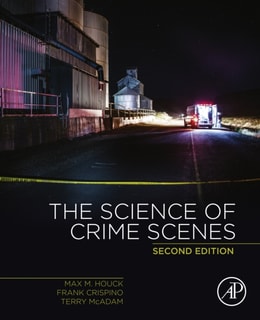
The Science of Crime Scenes, Second Edition offers a science-based approach to crime scenes, emphasizing that understanding is more important than simply knowing.
Protecting and Promoting Client Rights examines the inherent tensions within the family assessor role when there is no overarching compulsory regulatory body in social work.
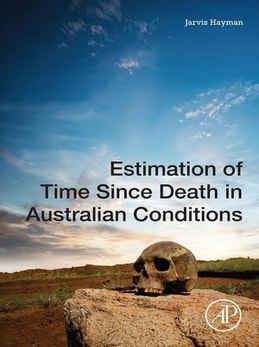
Estimation of Time since Death in Australian Conditions collates data about decomposed bodies found in the eastern states of Australia from the years 2000 to 2010.
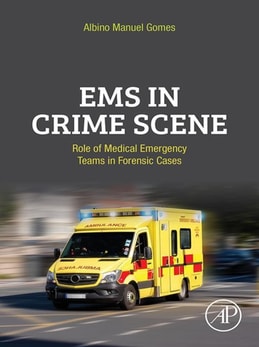
EMS in Crime Scene: Role of Medical Emergency Teams in Forensic Cases addresses the different settings that occur in pre-hospital environments, along with the medical-forensic relevance surrounding evidence preservation.
Strategic Leadership in Digital Evidence: What Executives Need to Know provides leaders with broad knowledge and understanding of practical concepts in digital evidence, along with its impact on investigations.
5G NR: The Next Generation Wireless Access Technology, Second Edition, follows the authors' highly celebrated books on 3G and 4G and provides a new level of insight into 5G NR.
Over the past twenty years, there's been a gradual shift in the way forensic scientists approach the evaluation of DNA profiling evidence that is taken to court.