Cell Phone Location Evidence for Legal Professionals: Understanding Cell Phone Location Evidence from the Warrant to the Courtroom is a guide, in plain language, for digital forensics professionals, attorneys, law enforcement professionals and students interested in the sources, methods and evidence used to perform forensic data analysis of cell phones, call detail records, real time ping records and geo-location data obtained from cellular carriers and cell phones.
Hacking Wireless Access Points: Cracking, Tracking, and Signal Jacking provides readers with a deeper understanding of the hacking threats that exist with mobile phones, laptops, routers, and navigation systems.
Forensic Odontology: Principles and Practice details the aspects necessary to become an accomplished forensic odontologist, including an illustration of the skills necessary to become an expert witness.
Software Defined Networks: A Comprehensive Approach, Second Edition provides in-depth coverage of the technologies collectively known as Software Defined Networking (SDN).
Smart Cities and Homes: Key Enabling Technologies explores the fundamental principles and concepts of the key enabling technologies for smart cities and homes, disseminating the latest research and development efforts in the field through the use of numerous case studies and examples.
Hiding Behind the Keyboard: Uncovering Covert Communication Methods with Forensic Analysis exposes the latest electronic covert communication techniques used by cybercriminals, along with the needed investigative methods for identifying them.
Forensic Engineering, the latest edition in the Advanced Forensic Science series that grew out of recommendations from the 2009 NAS Report: Strengthening Forensic Science: A Path Forward, serves as a graduate level text for those studying and teaching digital forensic engineering, as well as an excellent reference for a forensic scientist's library or for their use in casework.
Forensic Science Reform: Protecting the Innocent is written for the nonscientist to help make complicated scientific information clear and concise enough for attorneys and judges to master.
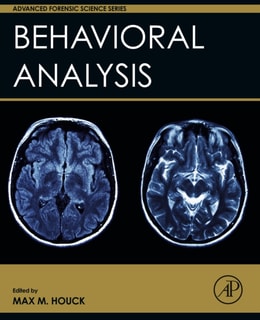
Behavioral Analysis, the latest release in the Advanced Forensic Science series, an ongoing reference that grew out of recommendations from the 2009 NAS Report: Strengthening Forensic Science: A Path Forward serves as a graduate level text for those studying and teaching forensic psychology, and is also an excellent reference for forensic psychologists.
Evidence Found: An Approach to Crime Scene Investigation is not another analysis of forensic errors using an "e;After the Fact"e; or "e;Lessons Learned"e; approach but a "e;Before the Fact"e; guide that examines the thought processes that can lead to those mistakes.
HR Management in the Forensic Science Laboratory: A 21st Century Approach to Effective Crime Lab Leadership introduces the profession of forensic science to human resource management, and vice versa.
Modeling and Simulation of Computer Networks and Systems: Methodologies and Applications introduces you to a broad array of modeling and simulation issues related to computer networks and systems.
Forensic Toxicology, the latest release in the Advanced Forensic Science Series that grew out of recommendations from the 2009 NAS Report, Strengthening Forensic Science: A Path Forward will serve as a graduate level text for those studying and teaching forensic toxicology.
The Process of Investigation, Fourth Edition addresses the needs of today's private sector investigative professional by providing a full-spectrum treatment of the investigative process, from case inception and investigative strategy selection to executing complex investigative techniques, to creating reports useful for corporate, legal, and prosecutorial purposes.
The Analysis of Burned Human Remains, Second Edition, provides a primary source for osteologists and the medical/legal community for the understanding of burned bone remains in forensic or archaeological contexts.
Data Mining and Predictive Analysis: Intelligence Gathering and Crime Analysis, 2nd Edition, describes clearly and simply how crime clusters and other intelligence can be used to deploy security resources most effectively.
Forensic Anthropology: Current Methods and Practice-winner of a 2015 Textbook Excellence Award (Texty) from The Text and Academic Authors Association-approaches forensic anthropology through an innovative style using current practices and real case studies drawn from the varied experiences, backgrounds, and practices of working forensic anthropologists.
Misleading DNA Evidence: A Guide for Scientists, Judges, and Lawyers presents the reasons miscarriages of justice can occur when dealing with DNA, what the role of the forensic scientist is throughout the process, and how judges and lawyers can educate themselves about all of the possibilities to consider when dealing with cases that involve DNA evidence.
The Routledge International Handbook of Homicide Investigation will be the first of its kind to bring together research and personal insights from detectives, practitioners, academics and experts internationally on various complexities that are involved in the investigation of homicides.
The Routledge International Handbook of Homicide Investigation will be the first of its kind to bring together research and personal insights from detectives, practitioners, academics and experts internationally on various complexities that are involved in the investigation of homicides.
Bloodstain Patterns: Identification, Interpretation and Application combines material from Blood Dynamics (2001) and Bloodstain Pattern Evidence (2007) with updated case work and scientific advances from medical and hard sciences.
This practical field guide contains many of the checklists necessary to guide the first responder step-by-step through procedures, tactics, and forensic techniques used in sudden death and violent death investigations.
Forensic Handwriting Identification: Fundamental Concepts and Principles teaches the law enforcement and legal communities the major principles involved in handwriting and hand-printing analysis as applied to many types of investigations, including fraud, homicide, suicide, drug trafficking/clandestine labs, sexual offenses, threats and extortion, blackmail, arson, bombings, and theft.
Forensic Document Examination enlightens forensic document examiners, forensic investigators, attorneys and others using the services of forensic document examiners with the basic principles and current trends in the area.
Kidnapping: An Investigator's Guide to Profiling is based on a three-part analysis of 100 randomly selected kidnapping cases prosecuted in the United States that have survived Supreme Court appeal.
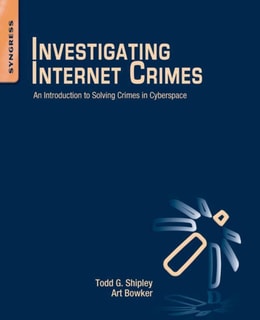
Written by experts on the frontlines, Investigating Internet Crimes provides seasoned and new investigators with the background and tools they need to investigate crime occurring in the online world.
Published in 2009, the first edition of Forensic Victimology introduced criminologists and criminal investigators to the idea of systematically gathering and examining victim information for the purposes of addressing investigative and forensic issues.
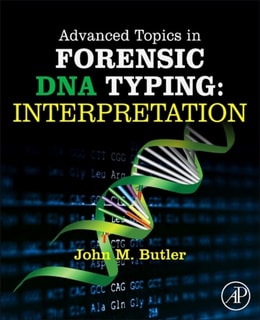
Advanced Topics in Forensic DNA Typing: Interpretation builds upon the previous two editions of John Butler's internationally acclaimed Forensic DNA Typing textbook with forensic DNA analysts as its primary audience.
Computer Incident Response and Forensics Team Management provides security professionals with a complete handbook of computer incident response from the perspective of forensics team management.
The third edition of Introduction to Environmental Forensics is a state-of-the-art reference for the practicing environmental forensics consultant, regulator, student, academic, and scientist, with topics including compound-specific isotope analysis (CSIA), advanced multivariate statistical techniques, surrogate approaches for contaminant source identification and age dating, dendroecology, hydrofracking, releases from underground storage tanks and piping, and contaminant-transport modeling for forensic applications.
This textbook was developed from an idiom shared by the authors and contributors alike: ethics and ethical challenges are generally black and white - not gray.
In our attempts to understand crime, researchers typically focus on proximate factors such as the psychology of offenders, their developmental history, and the social structure in which they are embedded.
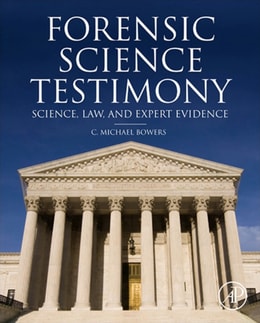
Forensic Testimony: Science, Law and Expert Evidence-favored with an Honorable Mention in Law & Legal Studies at the Association of American Publishers' 2015 PROSE Awards-provides a clear and intuitive discussion of the legal presentation of expert testimony.
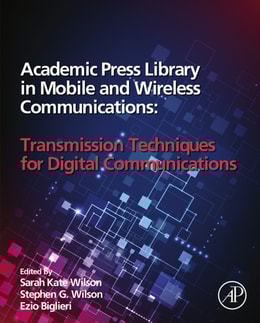
This book, edited and authored by world leading experts, gives a review of the principles, methods and techniques of important and emerging research topics and technologies in wireless communications and transmission techniques.
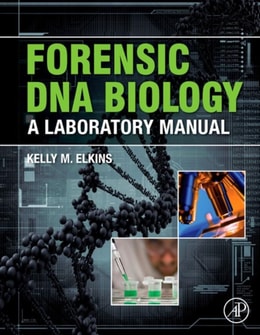
DNA typing has revolutionized criminal investigations and has become a powerful tool in the identification of individuals in criminal and paternity cases.
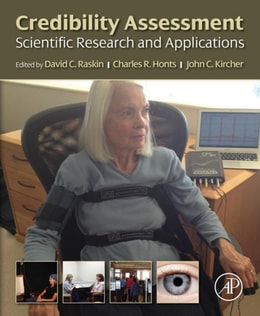
In 2001, the late Murray Kleiner and an array of experts contributed to the Handbook of Polygraph Testing, published by Elsevier, which examined the fundamental principles behind polygraph tests and reviewed the key tests and methods used at that time.