Crime and Punishment in the Future Internet is an examination of the development and impact of digital frontier technologies (DFTs) such as Artificial Intelligence, the Internet of things, autonomous mobile robots, and blockchain on offending, crime control, the criminal justice system, and the discipline of criminology.
Crime and Punishment in the Future Internet is an examination of the development and impact of digital frontier technologies (DFTs) such as Artificial Intelligence, the Internet of things, autonomous mobile robots, and blockchain on offending, crime control, the criminal justice system, and the discipline of criminology.
Revitalizing Victimization Theory: Revisions, Applications, and New Directions revises some of the major perspectives in victimization theory, applies theoretical perspectives to the victimization of vulnerable populations, and carves out new theoretical territory that is clearly needed but has yet to be developed.
Revitalizing Victimization Theory: Revisions, Applications, and New Directions revises some of the major perspectives in victimization theory, applies theoretical perspectives to the victimization of vulnerable populations, and carves out new theoretical territory that is clearly needed but has yet to be developed.
Motherhood after Incarceration: Community Reintegration for Mothers in the Criminal Legal System explores the relationships of women with their children immediately after periods of incarceration.
Motherhood after Incarceration: Community Reintegration for Mothers in the Criminal Legal System explores the relationships of women with their children immediately after periods of incarceration.
This book is the first Australian study, based on extensive fieldwork, of the personal backgrounds and processes by which juveniles get drawn into risky and violent situations that culminate in murder.
This book is the first Australian study, based on extensive fieldwork, of the personal backgrounds and processes by which juveniles get drawn into risky and violent situations that culminate in murder.
Black Families and the Recession in the United States goes beyond the massive loss of property among African Americans during the Great Recession of 2007-2009.
Black Families and the Recession in the United States goes beyond the massive loss of property among African Americans during the Great Recession of 2007-2009.
This book draws international attention to the autonomy of the child accompanying incarcerated mothers, and those they leave behind in the community, despite being dependent on the convicted caregiver.
This book draws international attention to the autonomy of the child accompanying incarcerated mothers, and those they leave behind in the community, despite being dependent on the convicted caregiver.
This volume unpacks the multidimensional realities of political violence, and how these crimes are dealt with throughout the US judicial system, using a mixed methods approach.
This volume unpacks the multidimensional realities of political violence, and how these crimes are dealt with throughout the US judicial system, using a mixed methods approach.
This book explores prisoners' experiences of prison education and investigates whether participation in prison education contributes to an offender's ability to desist from crime and increases social capital levels.
This book explores prisoners' experiences of prison education and investigates whether participation in prison education contributes to an offender's ability to desist from crime and increases social capital levels.
Restorative justice is an innovative approach to responding to crime and conflict that shifts the focus away from laws and punishment to instead consider the harm caused and what is needed to repair that harm and make things right.
Restorative justice is an innovative approach to responding to crime and conflict that shifts the focus away from laws and punishment to instead consider the harm caused and what is needed to repair that harm and make things right.
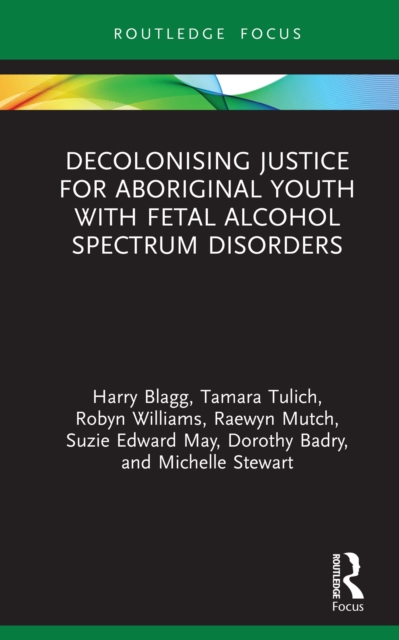
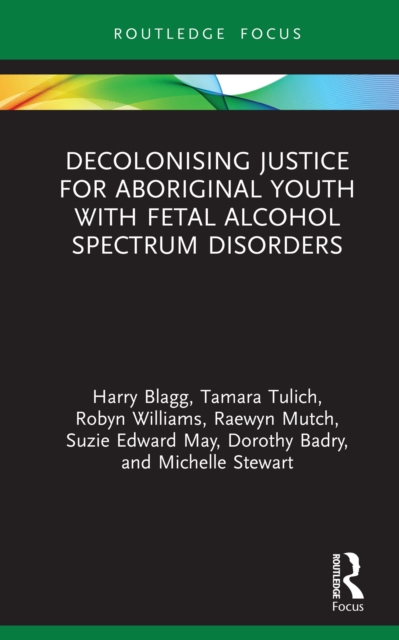
This book reflects multidisciplinary and cross-jurisdictional analysis of issues surrounding Fetal Alcohol Spectrum Disorders (FASD) and the criminal justice system, and the impact on Aboriginal children, young people, and their families.
This book focuses on the creation of new educational environment for youth; youth employment; crime and the juvenile system; health system; trends in health policy in the United states and other western democracies; and new environment for the transition of youth to adulthood.
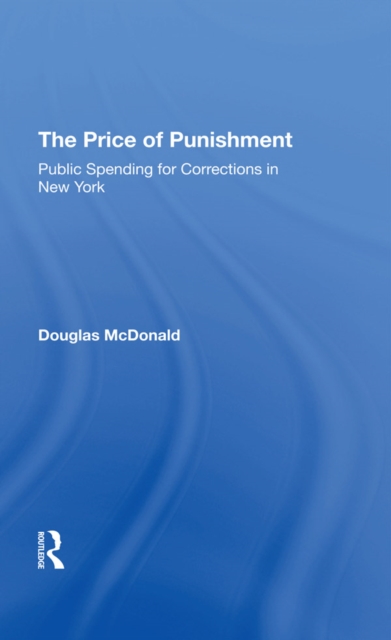
Despite the intensity of the national debate concerning control and correctional policies, neither the costs of existing agencies nor of alternative approaches are adequately understood.
This book reflects multidisciplinary and cross-jurisdictional analysis of issues surrounding Fetal Alcohol Spectrum Disorders (FASD) and the criminal justice system, and the impact on Aboriginal children, young people, and their families.
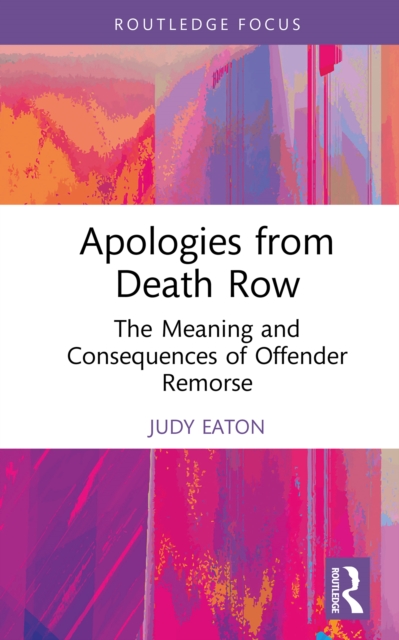
Apologies from Death Row explores the notion of remorse, apologies, and forgiveness within the context of capital punishment in the United States, through the final words of offenders on death row, and the covictims' responses to them in their statements to the press after witnessing the execution.
Criminology and Democratic Politics brings together a range of international leading experts to consider the relationship between criminology and democratic politics.
Criminology and Democratic Politics brings together a range of international leading experts to consider the relationship between criminology and democratic politics.
This book focuses on the creation of new educational environment for youth; youth employment; crime and the juvenile system; health system; trends in health policy in the United states and other western democracies; and new environment for the transition of youth to adulthood.
Despite the intensity of the national debate concerning control and correctional policies, neither the costs of existing agencies nor of alternative approaches are adequately understood.
Bringing together a variety of diverse international contributors from the Convict Criminology community, Convict Criminology for the Future surveys the historical roots of Convict Criminology, the current challenges experienced by formerly incarcerated people, and future directions for the field.
Bringing together a variety of diverse international contributors from the Convict Criminology community, Convict Criminology for the Future surveys the historical roots of Convict Criminology, the current challenges experienced by formerly incarcerated people, and future directions for the field.
This volume addresses major issues and research in corrections and sentencing with the goal of using previous research and findings as a platform for recommendations about future research, evaluation, and policy.
This volume addresses major issues and research in corrections and sentencing with the goal of using previous research and findings as a platform for recommendations about future research, evaluation, and policy.
Based on four years anthropological research within prisons and Muslim communities in the UK, this book offers a unique discussion of the relationship between the experience of prison among Muslims and the formation of religious identity.
Based on four years anthropological research within prisons and Muslim communities in the UK, this book offers a unique discussion of the relationship between the experience of prison among Muslims and the formation of religious identity.
The Supreme Court's Role in Mass Incarceration illuminates the role of the United States Supreme Court's criminal procedure revolution as a contributing factor to the rise in U.
The Supreme Court's Role in Mass Incarceration illuminates the role of the United States Supreme Court's criminal procedure revolution as a contributing factor to the rise in U.
This edited collection brings together leading international academics and researchers to provide a comprehensive body of literature that informs the future of prison and wider corrective services training, education, research, policy and practice.
This edited collection brings together leading international academics and researchers to provide a comprehensive body of literature that informs the future of prison and wider corrective services training, education, research, policy and practice.
This study, first published in 1987, focuses on Victorian approaches to the moral reformation of prisoners, and aims to emphasise the ways in which the human value and social inclusion of prisoners were pursued.
This study, first published in 1987, focuses on Victorian approaches to the moral reformation of prisoners, and aims to emphasise the ways in which the human value and social inclusion of prisoners were pursued.