This work is an exploratory examination of the experiences, motivations, and coping mechanisms of women who are involved in intimate relationships with registered sexual offenders.
This work is an exploratory examination of the experiences, motivations, and coping mechanisms of women who are involved in intimate relationships with registered sexual offenders.
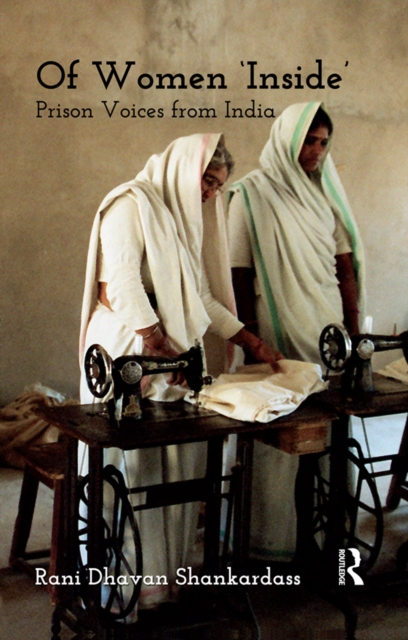
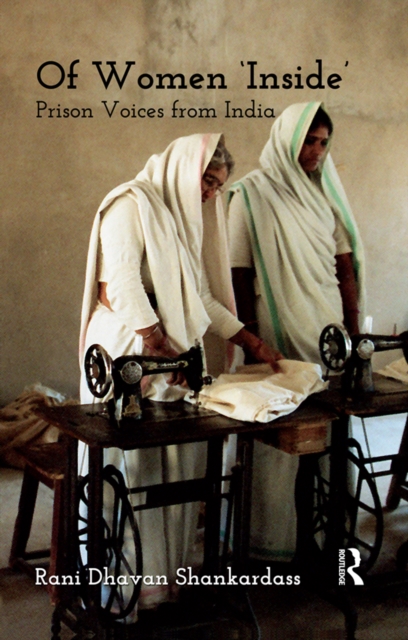
Based on original research and personal encounters, this book narrates the real-life-stories of women locked up in Indian prisons for alleged or actual violations of the state's criminal laws.
Based on original research and personal encounters, this book narrates the real-life-stories of women locked up in Indian prisons for alleged or actual violations of the state's criminal laws.
Crime and Justice in the Trump Era documents the impact of Trump administration policies on (1) violence against women, (2) the treatment of persons of color, (3) corporate and environmental crime (both domestic and international), and (4) federal crime control policy.
Crime and Justice in the Trump Era documents the impact of Trump administration policies on (1) violence against women, (2) the treatment of persons of color, (3) corporate and environmental crime (both domestic and international), and (4) federal crime control policy.
Criminal Justice Theory: Explanations and Effects undertakes a systematic study of theories of the criminal justice system, which historically have received very little attention from scholars.
Criminal Justice Theory: Explanations and Effects undertakes a systematic study of theories of the criminal justice system, which historically have received very little attention from scholars.
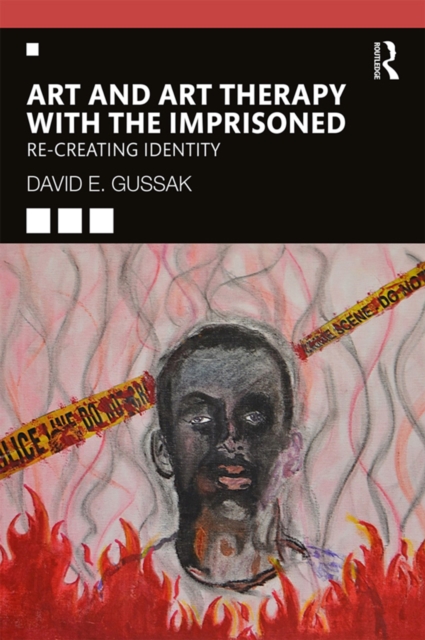
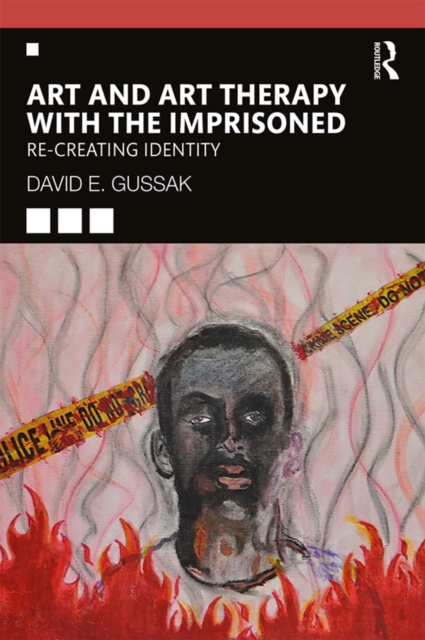
Through the author's experiences, investigations and discussions with artists, art therapists and inmates from around the world, Art and Art Therapy with the Imprisoned: Re-Creating Identity comprehensively explores the efficacy, methods, and outcomes of art and art therapy within correctional settings.
Through the author's experiences, investigations and discussions with artists, art therapists and inmates from around the world, Art and Art Therapy with the Imprisoned: Re-Creating Identity comprehensively explores the efficacy, methods, and outcomes of art and art therapy within correctional settings.
Killing as punishment in the USA, whether ordained by lynch mob or by the courts, reflects a paradox of the American nation: liberal, pluralistic, yet prone to lethal violence.
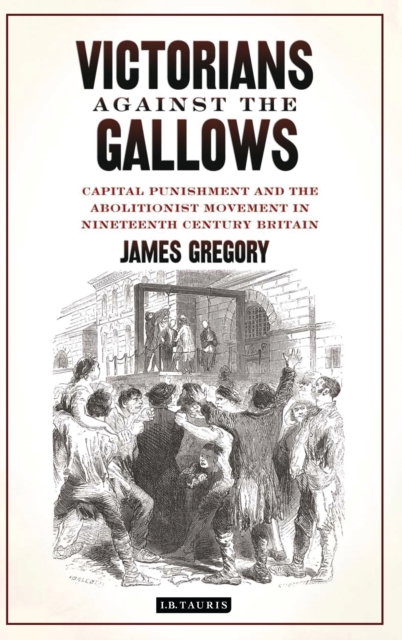
By the time that Queen Victoria ascended the throne in 1837, the list of crimes liable to attract the death penalty had effectively been reduced to murder.
By the time that Queen Victoria ascended the throne in 1837, the list of crimes liable to attract the death penalty had effectively been reduced to murder.
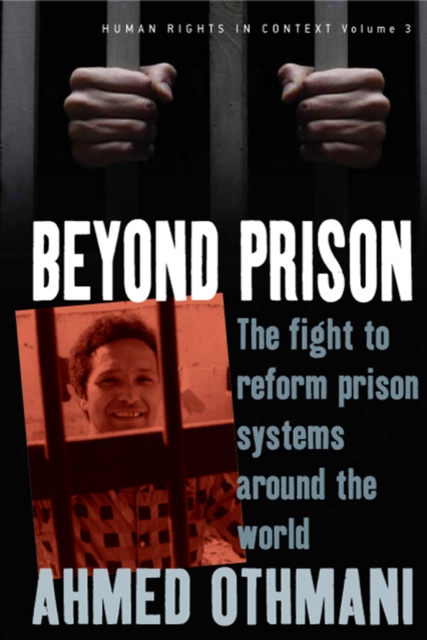
This is an exceptional personal testimony and story of achievement Ahmed Othmani tells of his own appalling treatment when in detention and how it informed and inspired a lifetime vocation to struggle for the rights of all prisoners everywhere.
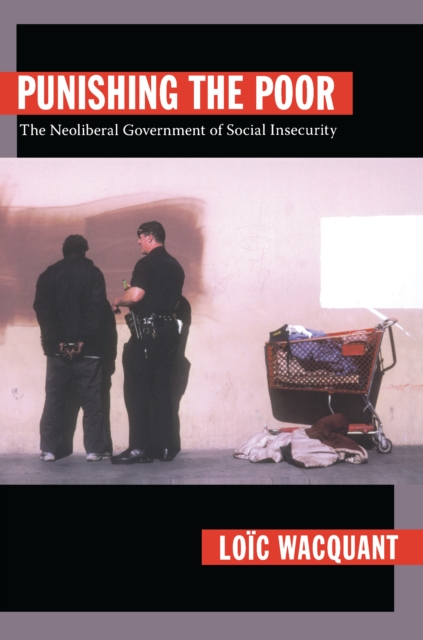
The punitive turn of penal policy in the United States after the acme of the Civil Rights movement responds not to rising criminal insecurity but to the social insecurity spawned by the fragmentation of wage labor and the shakeup of the ethnoracial hierarchy.
Investigating the cultural, social, and political histories of punishment during ninety years surrounding the 1838 abolition of slavery in Jamaica, Diana Paton challenges standard historiographies of slavery and discipline.
Throughout the nineteenth century the idyllic island of Fernando de Noronha, which lies two hundred miles off Brazil's northeastern coast, was home to Brazil's largest forced labor penal colony.
Presents a thought-provoking collection of five essays that explore the purposes and meanings of legal punishment in the United States, both culturally and socially From the Gospel of Matthew to numerous US Supreme Court justices, many literary and legal sources have observed that how a society metes out punishment reveals core truths about its character.
In 1631, at the epicenter of the worst excesses of the European witch-hunts, Friedrich Spee, a Jesuit priest, published the Cautio Criminalis, a book speaking out against the trials that were sending thousands of innocent people to gruesome deaths.
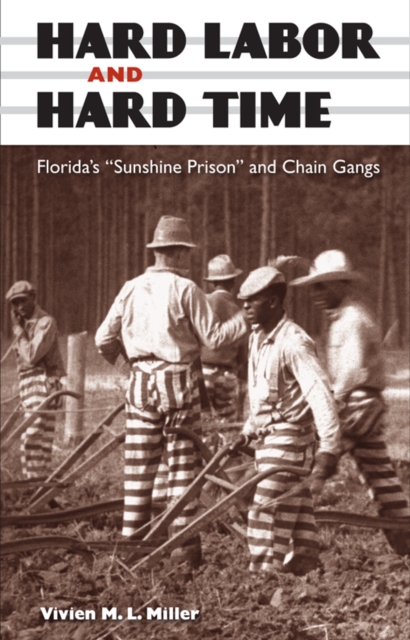
Hard Labor and Hard Time is a history of continuity and change in Florida's state prison system between 1910 and 1957, exploring conditions at the state prison farm at Raiford (the third largest prison farm in the South at this time) as well as in the chain gangs and road prisons.
In this stark and powerful book, Bruce Jackson and Diane Christian explore life on Death Row in Texas and in other states, as well as the convoluted and arbitrary judicial processes that populate all Death Rows.
Unlike other studies, Committed to the State Asylum shows the important role that the community played in shaping the asylum and tackles the thorny issue of state development, explaining how state asylums developed differently in each province.
Drawing on extensive case studies and his experience as director of psychiatric services at the Regional Treatment Centre in Ontario, Geoffrey Conacher traces the MDO management process from initial assessment, through secure stabilization, to preparation for release and subsequent community supervision.
Rains and Teram trace the history, impact, and subversion of public policies affecting the disposition of delinquent, neglected, and emotionally disturbed anglophone youth in Montreal.
Mi Rinconcito en el Cielo (My Little Corner of the Sky) tells the remarkable story of Alberto "e;Beto"e; Gonzales, who overcame a childhood of poverty, addiction, bigotry, and violence and went on to change the lives of thousands of children and adults as a mentor and gang prevention specialist.
Putting forward a new approach to the study of corrections, this book draws together public health and corrections and explores the importance of this nexus.
Stephen Hartnett merges the evocative power of poetry with scholarly research to produce both a genre-bending critique of the prison industrial complex and an innovative new method of qualitative research.
n Many people across the world know Antonio Negri as an internationally renowned political thinker whose book, Empire, co-authored with Michael Hardt, is an international bestseller.