"e;Growing up with risk"e; provides a critical analysis of ways in which risk assessment and management - now a pervasive element of contemporary policy and professional practice - are defined and applied in policy, theory and practice in relation to children and young people.
Public social services are increasingly being individualised in order to better meet the differentiated needs of competent and independent citizens and to promote the effectiveness of social interventions.
Social Policy Review provides students, academics and all those interested in welfare issues with detailed analyses of progress and change in areas of major interest during the past year.
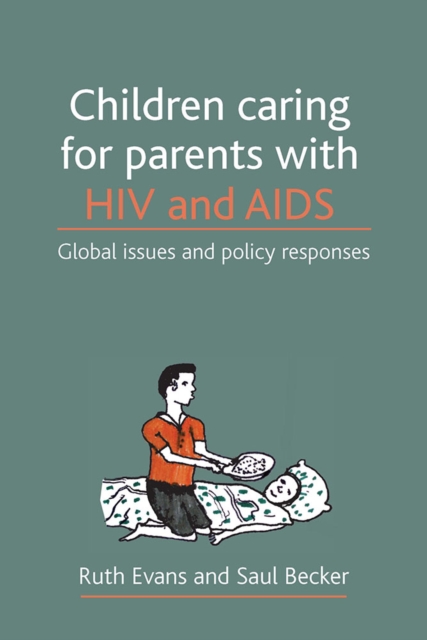
This ground-breaking book focuses on the experiences and perspectives of children and young people who care for a parent with HIV in the global North and South.
This text examines the enormous pressure placed on University students in Japan, Korea and Taiwan which have led to the rapid expansion of the "e;cramming"e; industry and to a growing number of students looking to religion and spirituality for guidance.
Those who work in childcare and educational settings have an ethical and legal responsibility to take into account children's cultural, ethnic, religious and linguistic backgrounds.
Drawing on in-depth interviews with social workers and their managers, and families and young people themselves, the authors of this important book show how the principles embodied in the Assessment Framework have been applied to social work practice.
The diverse challenges that clinicians and children's workers tasked with safeguarding babies and young children face are complex, and this unique book looks at effective, practice-based and evidence-informed approaches to working across a wide range of issues.
This volume discusses the various challenges faced by children in India from different perspectives such as education, psychology, and sociology during the COVID-19 pandemic.
The safeguarding and child protection challenges in education have never been more complex, nor the legal duties on schools and colleges more stringent.
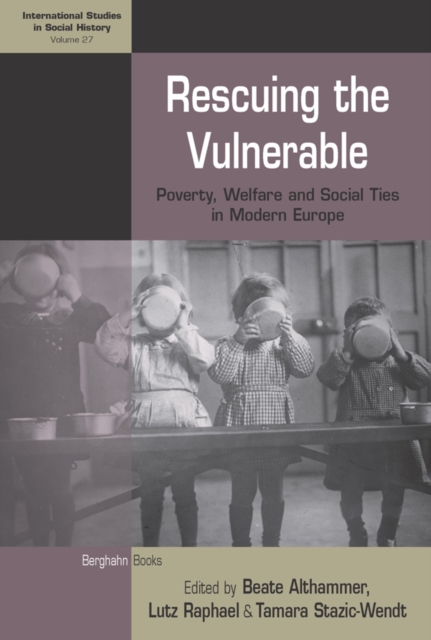
The European welfare systems, established after the Second World War, have been under sustained attack since the late 1970s from the neoliberal drive towards a small state and from the market as the foremost instrument for the efficient allocation of scarce resources.
The European welfare systems, established after the Second World War, have been under sustained attack since the late 1970s from the neoliberal drive towards a small state and from the market as the foremost instrument for the efficient allocation of scarce resources.
Written by experienced clinicians, this book provides an exploration of how educators can easily use Dyadic Developmental Practice (DDP) to help vulnerable pupils to thrive.
This book examines the psychosocial, legal, and familial factors at play in the persistencein crime and social marginalization in adults with a history of juvenile delinquency,setting out the political and social implications, and delineating new lines of research.
This book examines the psychosocial, legal, and familial factors at play in the persistencein crime and social marginalization in adults with a history of juvenile delinquency,setting out the political and social implications, and delineating new lines of research.
Scroungers, spongers, parasites These are just are some of the terms that are typically used, with increasing frequency, to describe the most vulnerable in our society, whether they be the sick, the disabled, or the unemployed.
Scroungers, spongers, parasites These are just are some of the terms that are typically used, with increasing frequency, to describe the most vulnerable in our society, whether they be the sick, the disabled, or the unemployed.
This original ethnographic study looks at how children are 'civilised' within child institutions, such as schools, day care centres and families, under the auspices of the welfare state.
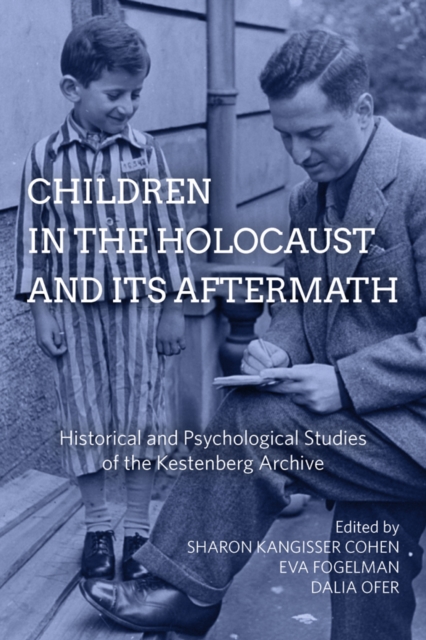
The testimonies of individuals who survived the Holocaust as children pose distinct emotional and intellectual challenges for researchers: as now-adult interviewees recall profound childhood experiences of suffering and persecution, they also invoke their own historical awareness and memories of their postwar lives, requiring readers to follow simultaneous, disparate narratives.
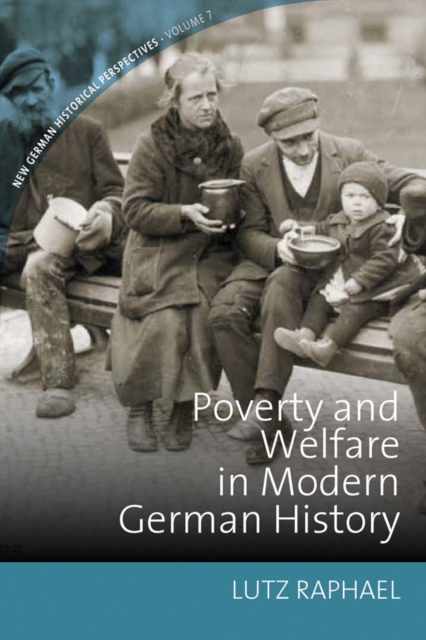
In many ways, the European welfare state constituted a response to the new forms of social fracture and economic turbulence that were born out of industrialization challenges that were particularly acute for groups whose integration into society seemed the most tenuous.
The diverse challenges that clinicians and children's workers tasked with safeguarding babies and young children face are complex, and this unique book looks at effective, practice-based and evidence-informed approaches to working across a wide range of issues.
With contributions from internationally recognized experts, this edited volume presents original thinking on the theory, research and practice surrounding child neglect.
Providing an authoritative overview of the growing phenomena of child to parent violence - a feature in the daily life of increasing numbers of families - this book outlines what we know about it, what is effective in addressing it, and outlines a proven model for intervention.