Meaningful relationships, genuine connections, and real love: if those are the things this generation of teens-- the Millennial Generation--is crying out for, who can deliver?
BENOIT DENIZET-LEWIS, one of the most perceptive and interesting journalists writing today, takes us into some unusual precincts of American society in American Voyeur.
Dan Rather, Tom Brokaw, Peter Jennings: They were on a first-name basis with the country for a generation, leading viewers through moments of triumph and tragedy.
This illuminating biography of Margaret Sangerthe woman who fought for birth control in Americadescribes her childhood, her private life, her relationships with Emma Goldman and John Reed, her public role, and more.
When Isaac Naylor committed suicide after a teenage fan was found dead in his hotel room, the world thought it had lost one of the greatest rock stars of a generation.
Over ten years after WHEN GIANTS WALKED THE EARTH, Mick Wall's seminal biography of the band, comes this major and extensively researched revision, which provides an unflinching look at life inside one of the biggest-selling rock bands of all time, and presents the definitive, final word on Led Zeppelin.
'Maeve's Times is funny and clever and kind, which are excellent qualities in both books and people' Irish Times'As someone who fell off a chair not long ago trying to hear what they were saying at the next table in a restaurant, I suppose I am obsessively interested in what some might consider the trivia of other people's lives.
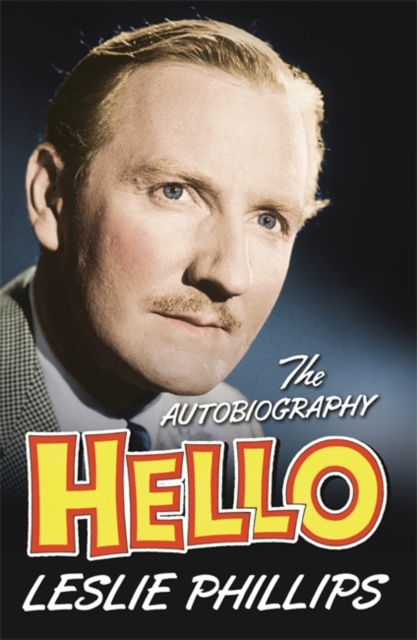
The autobiography of true national treasure LESLIE PHILLIPS, an actor who has featured in more British Number One box office smashes than anyone else and was the voice of The Sorting Hat in Harry Potter'A lively book full of amusing anecdotes and insights into the life of a zestfully ambitious actor' SPECTATORLeslie Phillips's story begins with a poverty-stricken childhood in north London, made all the worse when his father died when Leslie was just ten years old.
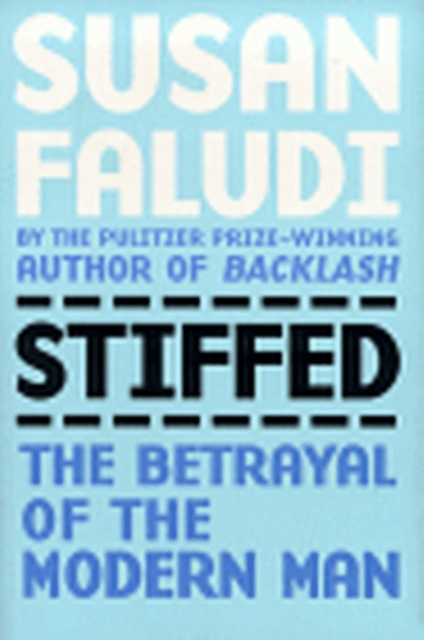
With the publication of Backlash, Pulitzer prize-winning journalist Susan Faludi became a world-renowned authority on the gender war, and 'backlash' in the gender sense became a household word.
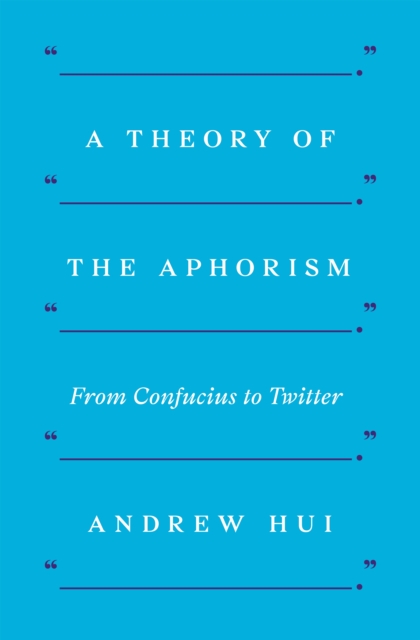
An engaging look at the aphorism, the shortest literary form, across time, languages, and culturesAphorisms-or philosophical short sayings-appear everywhere, from Confucius to Twitter, the Buddha to the Bible, Heraclitus to Nietzsche.
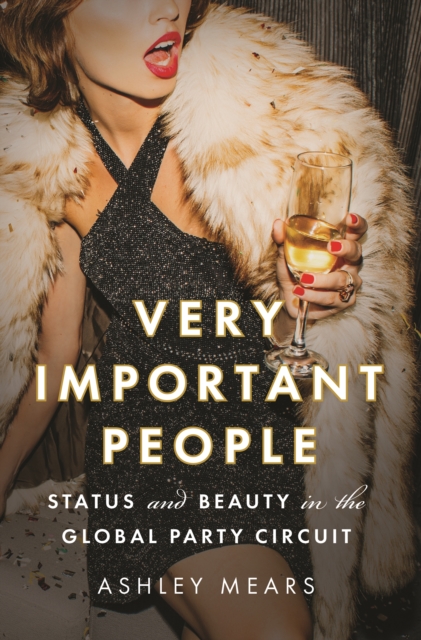
A sociologist and former fashion model takes readers inside the elite global party circuit of "e;models and bottles"e; to reveal how beautiful young women are used to boost the status of menMillion-dollar birthday parties, megayachts on the French Riviera, and $40,000 bottles of champagne.
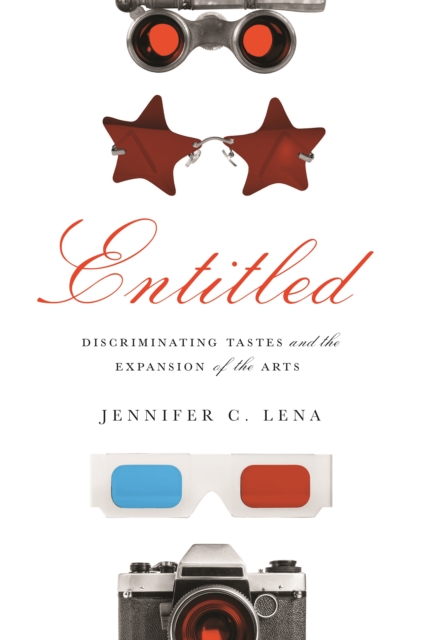
An in-depth look at how democratic values have widened the American arts scene, even as it remains elite and cosmopolitanTwo centuries ago, wealthy entrepreneurs founded the American cathedrals of culture-museums, theater companies, and symphony orchestras-to mirror European art.
How creative freedom, race, class, and gender shaped the rebellion of two visionary artistsPostwar America experienced an unprecedented flourishing of avant-garde and independent art.
The first modern English edition of diverse Enlightenment-era writings by Prussian monarch Frederick the GreatFrederick II of Prussia (1712-1786), best known as Frederick the Great, was a prolific writer of philosophical discourses, poems, epics, satires, and more, while maintaining extensive correspondence with prominent intellectuals, Voltaire among them.
In 1995, before leaving his much-loved home in North Yorkshire to move back to the States for a few years with his family, Bill Bryson insisted on taking one last trip around Britain, a sort of valedictory tour of the green and kindly island that had so long been his home.
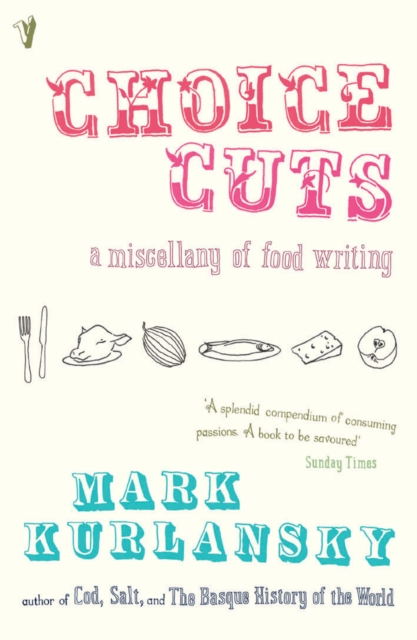
The winner of the Glenfiddich Best Food Book Award leads is on a dazzling culinary tour around the world and through history - from the fifth century BC to the present day.
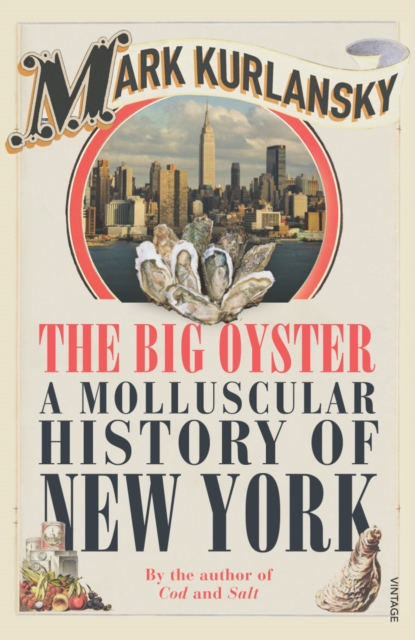
When Peter Minuit bought Manhattan for $24 in 1626 he showed his shrewdness by also buying the oyster beds off tiny, nearby Oyster Island, renamed Ellis Island in 1770.
Eduardo Saverin and Mark Zuckerberg - an awkward maths prodigy and a painfully shy computer genius - were never going to fit in at elite, polished Harvard.
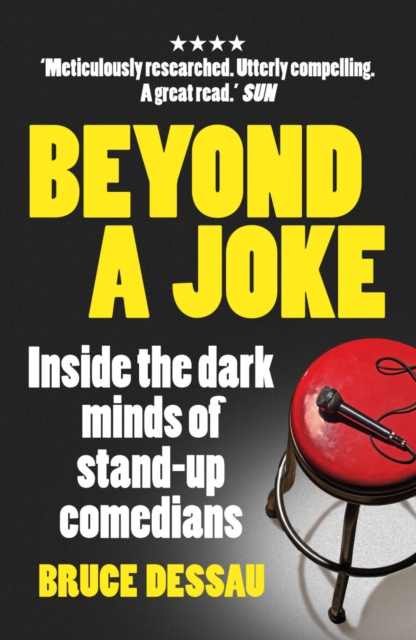
Beyond a Joke is a celebration of comedy - one of the modern world's most dominant and compelling art forms - but it is also the story of comedy's dark side, homing in on the scandals that have surrounded some of light entertainment's biggest stars, and telling it as it is, featuring insight from one who was there at the time.
As a young girl in China Xinran heard a rumour about a soldier in Tibet who had been brutally fed to the vultures in a ritual known as a sky burial: the tale frightened and fascinated her.
For Zaiba Malik, growing up in Bradford in the '70s and '80s certainly has its moments - staying up all night during Ramadan with her father; watching mad Mr Aziz searching for his goat during Eid; dancing along to Top of the Pops (so long as no-one's watching).
Since the early 1970s, Marina Warner has been one of the most challenging, subtle and profound commentators on the culture of past and present, unravelling our webs of images, ideas and beliefs, and making new and provocative connections.
British food has not traditionally been regarded as one of the world's great cuisines, and yet Stilton cheese, Scottish raspberries, Goosnargh duck and Welsh lamb are internationally renowned and celebrated.
In August 1880, Norwegian Johan Adrian Jacobsen recruited two Labrador Inuit families to become the latest attraction in a European ethnographical exhibit, now known as a human zoo.
Postmodernism Rightly Understood is a dramatic return to realism-a poetic attempt to attain a true understanding of the capabilities and limitations of the postmodern predicament.
'A wonderful little book of recipes and stories' - NIGELLA LAWSON'History, stories, recipes and beautiful illustrations' - OLIA HERCULES'Christmas brings the indestructibility of hope in times of the greatest hopelessness.