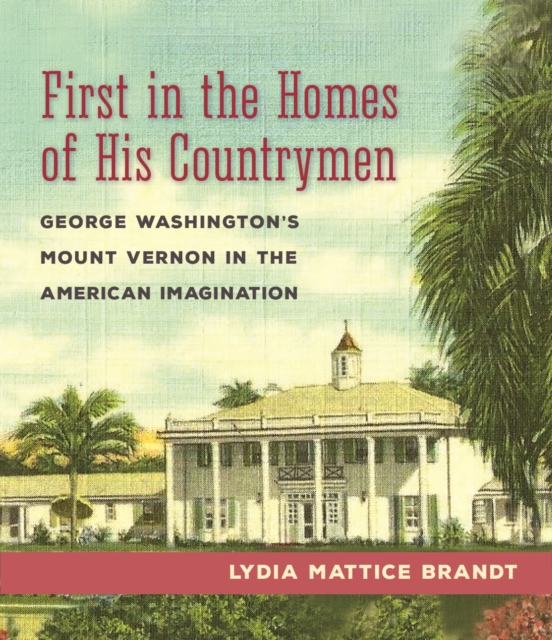
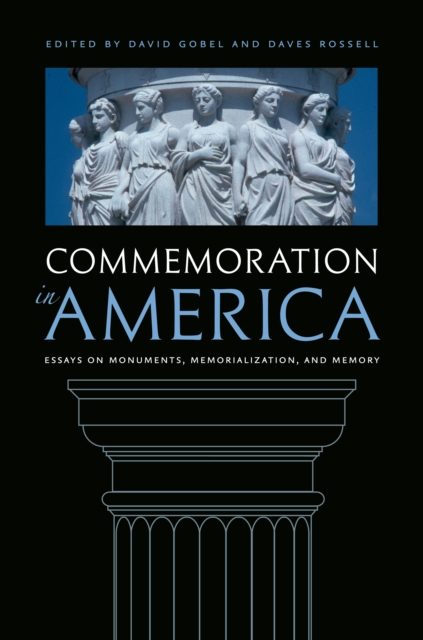
Over the past two hundred years, Americans have reproduced George Washington's Mount Vernon plantation house more often, and in a greater variety of media, than any of their country's other historic buildings.
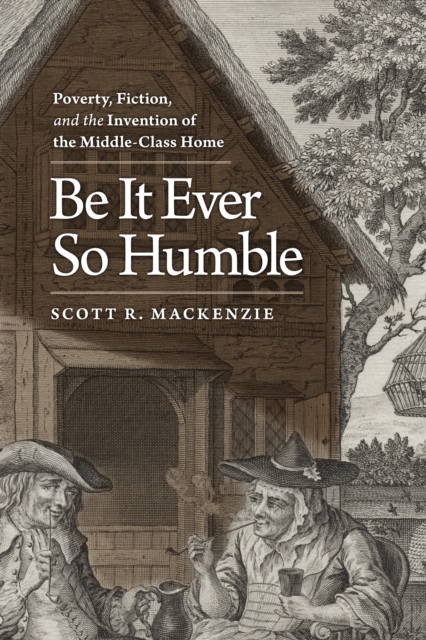
Before the rise of private homes as we now understand them, the realm of personal, private, and local relations in England was the parish, which was also the sphere of poverty management.
Jane Addams (1860-1935) was an inspired activist who struck at the roots of social injustice through persistent and thoughtful action, advocating for reforms in sanitation, housing and work conditions, and child labor.
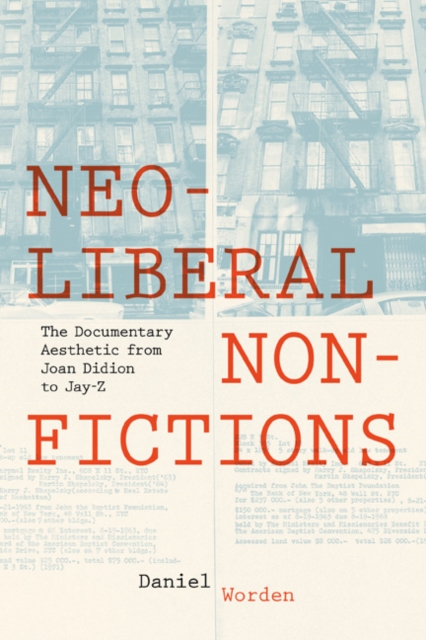
With the ascendancy of neoliberalism in American culture beginning in the 1960s, the political structures governing private lives became more opaque and obscure.
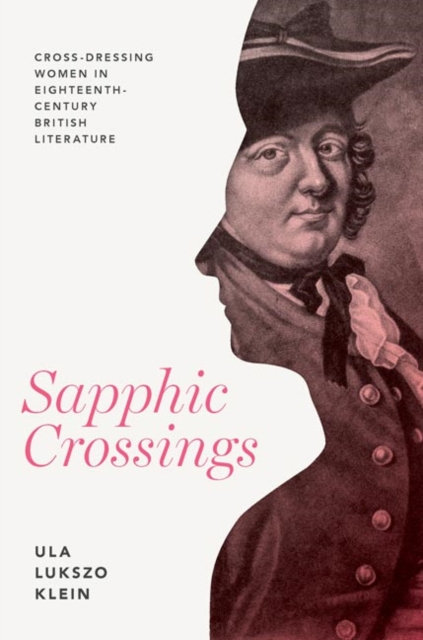
Across the eighteenth century in Britain, readers, writers, and theater-goers were fascinated by women who dressed in men's clothing-from actresses on stage who showed their shapely legs to advantage in men's breeches to stories of valiant female soldiers and ruthless female pirates.
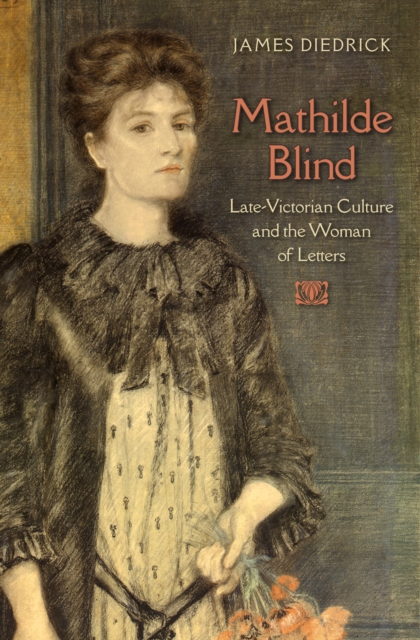
With Mathilde Blind: Late-Victorian Culture and the Woman of Letters, James Diedrick offers a groundbreaking critical biography of the German-born British poet Mathilde Blind (1841-1896), a freethinking radical feminist.
Over the past two hundred years, Americans have reproduced George Washington's Mount Vernon plantation house more often, and in a greater variety of media, than any of their country's other historic buildings.
Over the course of his distinguished interdisciplinary career, Giles Gunn has sustained his focus on the continuing threats to our collective sense of the human that seem to result from the link between the collision of fundamental values and the increase of systemic violence.
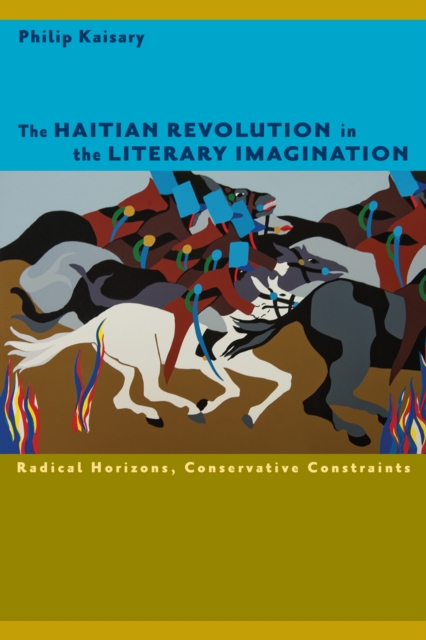
The Haitian Revolution (1791-1804) reshaped the debates about slavery and freedom throughout the Atlantic world, accelerated the abolitionist movement, precipitated rebellions in neighboring territories, and intensified both repression and antislavery sentiment.
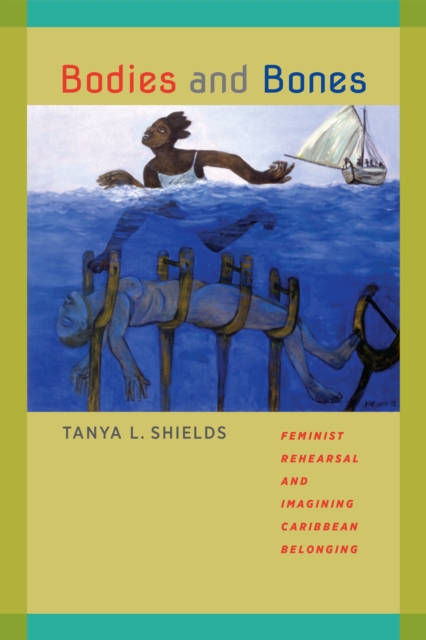
In Bodies and Bones, Tanya Shields argues that a repeated engagement with the Caribbean's iconic and historic touchstones offers a new sense of (inter)national belonging that brings an alternative and dynamic vision to the gendered legacy of brutality against black bodies, flesh, and bone.
"e;Christian philosophy"e; is commonly regarded as an oxymoron, philosophy being thought incompatible with the assumptions and conclusions required by religious faith.
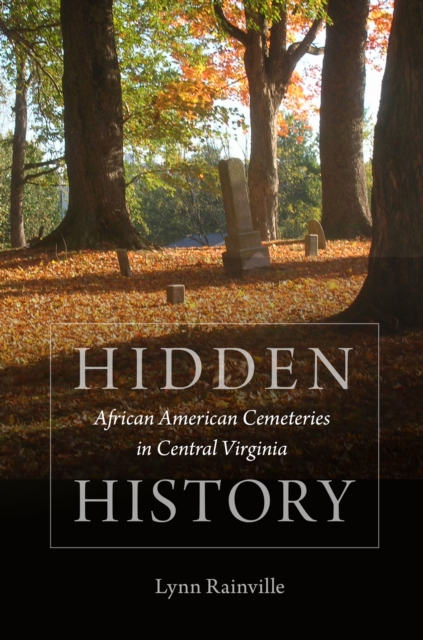
In Hidden History, Lynn Rainville travels through the forgotten African American cemeteries of central Virginia to recover information crucial to the stories of the black families who lived and worked there for over two hundred years.
Exploring the fate of the ideal of the English gentleman once the empire he was meant to embody declined, Praseeda Gopinath argues that the stylization of English masculinity became the central theme, focus, and conceit for many literary texts that represented the "e;condition of Britain"e; in the 1930s and the immediate postwar era.
Within the familiar clash of religious conservatism and secular liberalism Paul Maltby finds a deeper discord: an antipathy between Christian fundamentalism and the postmodern culture of disenchantment.
Before the rise of private homes as we now understand them, the realm of personal, private, and local relations in England was the parish, which was also the sphere of poverty management.
Despite their peaceful, bucolic appearance, the tree-lined streets of South African suburbia were no refuge from the racial tensions and indignities of apartheid's most repressive years.
Jane Addams (1860-1935) was an inspired activist who struck at the roots of social injustice through persistent and thoughtful action, advocating for reforms in sanitation, housing and work conditions, and child labor.
Ever since the first appearances of Superman and Batman in comic books of the late 1930s, superheroes have been a staple of the popular culture landscape.
While the Baby Boomer generation has consistently commanded widespread attention-both scholarly and popular-little has been written about Generation X, the 46 million Americans born between the mid-1960s and late 1970s.
While the importance of collections has been evident in the sciences and humanities for several centuries, the social and cultural significance of collecting practices is now receiving serious attention as well.
Rock 'n' roll infuses the everyday life of the American adult, but for the first, complete generation of rock 'n' roll fans-baby boomers born between 1946 and 1964-it holds a special kind of value, playing a social personality-defining role that is unique to this group.
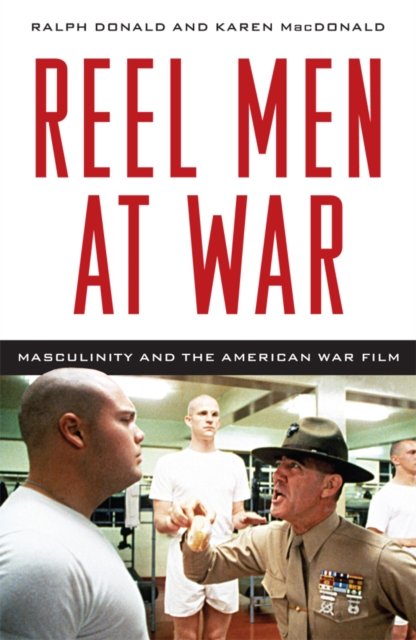
As they transition into adulthood, many American boys and young men spend a considerable amount of time engaging in physical sports, playing violent video games, and watching action movies, including war films.
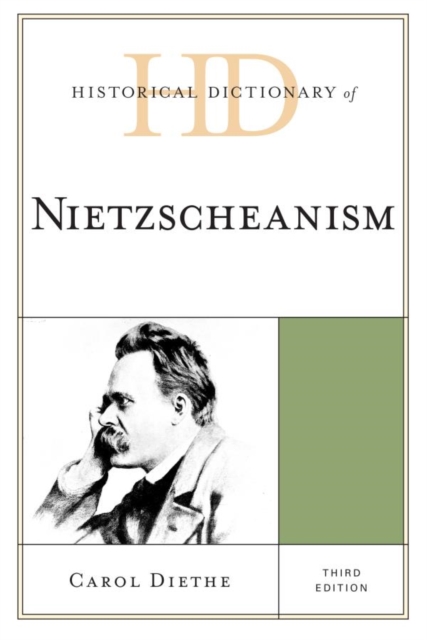
Few philosophers have been as popular, prolific, and controversial as Friedrich Nietzsche, who has left his imprint not only on philosophy but on all the arts.
During the second half of the 20th century, the Caribbean island of Barbados emerged as a key player in the creation and nurturing of Caribbean popular music.
When writer and director Joss Whedon created the character Buffy the Vampire Slayer, he could hardly have expected the resulting academic interest in his work.
At a time where, after decades of progress in gender and sexual rights, people in many parts of the world are facing new forms of resistance and opposition to gender equality, this timely publication confirms the continuing importance and relevance of gender and women's studies.
This work sets forth the argument that in the age of (neoliberal) globalization, black people around the world are ever-so slowly becoming "e;African-Americanized"e;.