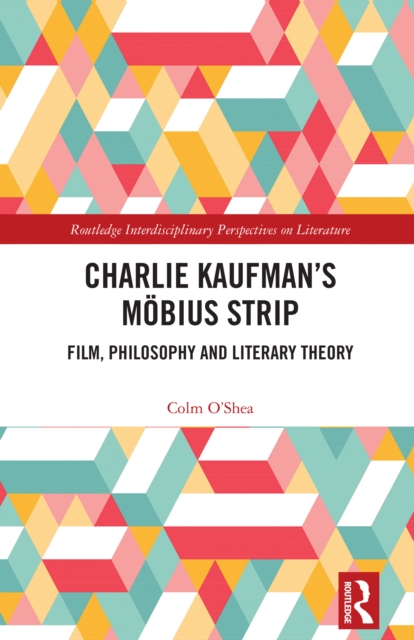
Charlie Kaufman's Mobius Strip: Film, Philosophy and Literary Theory presents Kaufman's diagnosis of alienation and corruption in the modern age as a fundamentally spiritual malady.
Das Buch bietet eine umfassende Einfuhrung in die Design Science Research (DSR) Methodologie, ein gestaltungsorientiertes Forschungsparadigma zur systematischen Entwicklung und Bewertung von Artefakten.
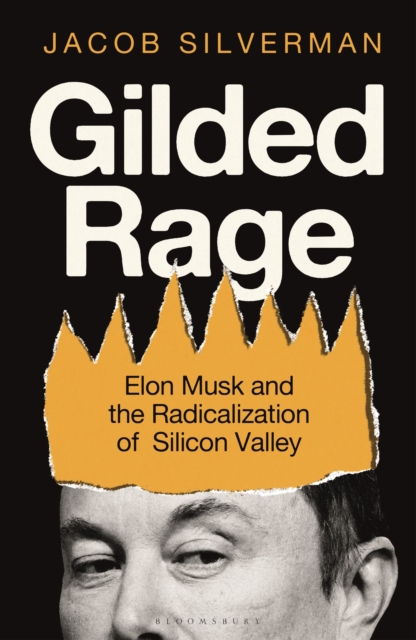
A PUBLISHERS WEEKLY BEST BOOK OF 2025A FINANCIAL TIMES BEST BOOK OF 2025'Lively and provocative' FINANCIAL TIMES'Makes a convincing case for how tech became radicalized' BLOOMBERGWhat happens if the world's richest and most powerful men decide to dismantle democracy?
Das Buch bietet eine umfassende Einfuhrung in die Design Science Research (DSR) Methodologie, ein gestaltungsorientiertes Forschungsparadigma zur systematischen Entwicklung und Bewertung von Artefakten.
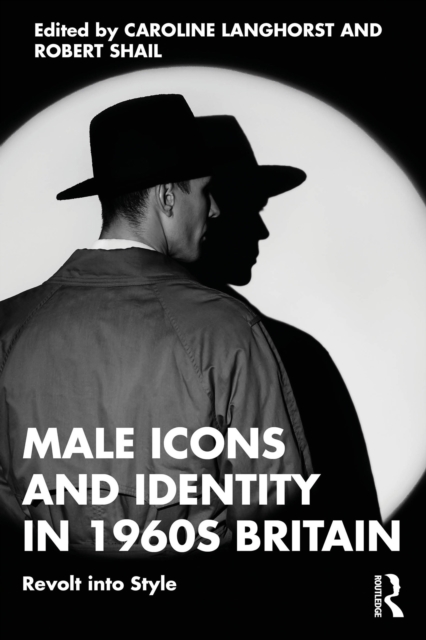
Male Icons and Identity in 1960s Britain: Revolt into Style explores the profound social and cultural transformations of the 1960s through the lens of masculinity.
Male Icons and Identity in 1960s Britain: Revolt into Style explores the profound social and cultural transformations of the 1960s through the lens of masculinity.
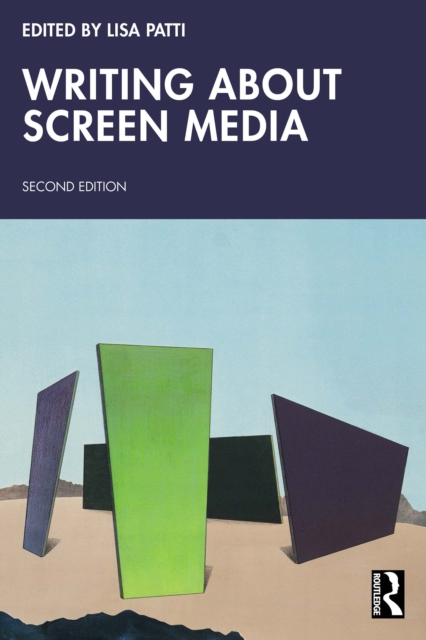
An essential guide to writing about a broad range of media objects - including film, television, social media, advertising, video games, mobile media, music videos, and digital media - in an equally broad range of formats - from essays and video essays to podcasts and playlists.
Charlie Kaufman's Mobius Strip: Film, Philosophy and Literary Theory presents Kaufman's diagnosis of alienation and corruption in the modern age as a fundamentally spiritual malady.
The rapid rise of AI and GenAI technologies has intensified longstanding tensions between economic precarity, technological innovation, and journalistic values.
The Routledge Handbook to the Popular Music Cover Song: Vivid Versions and Musica Subjectivities examines histories, contexts, and critical perceptions of cover song practices that manifest in mimetic homages, nuanced reinterpretations, or radical transformations.
A PUBLISHERS WEEKLY BEST BOOK OF 2025A FINANCIAL TIMES BEST BOOK OF 2025'Lively and provocative' FINANCIAL TIMES'Makes a convincing case for how tech became radicalized' BLOOMBERGWhat happens if the world's richest and most powerful men decide to dismantle democracy?
An essential guide to writing about a broad range of media objects - including film, television, social media, advertising, video games, mobile media, music videos, and digital media - in an equally broad range of formats - from essays and video essays to podcasts and playlists.
This book uncovers the history of exclusion and erasure of women's work within the Mumbai film industry and highlights the challenges women face at every stage of filmmaking, from pre-production to distribution.
The rapid rise of AI and GenAI technologies has intensified longstanding tensions between economic precarity, technological innovation, and journalistic values.
This interdisciplinary volume explores how graphic narratives engage with urgent global issues-ranging from identity, trauma, and health to racial injustice, reproductive rights, disability, and ecological awareness.
This interdisciplinary volume explores how graphic narratives engage with urgent global issues-ranging from identity, trauma, and health to racial injustice, reproductive rights, disability, and ecological awareness.
Die COVID-19-Pandemie hat die Nutzung sozialer Medien erhöht, während persönliche Interaktionen reduziert und die Digitalisierung in verschiedenen Bereichen vorangetrieben wurde.
Bei Polizist:innen handelt es sich um die Projektionsfiguren der Gegenwart schlechthin, was ihre dauerhafte Beliebtheit als literarische und filmische Charaktere erklären könnte.
Dieses Buch bietet eine eindringliche Analyse der USA als Gesellschaft im kollektiven Ausnahmezustand, in der Amokläufe, Waffenfetischismus und politische Inszenierung keine getrennten Phänomene mehr sind.
Dieses Buch bietet eine eindringliche Analyse der USA als Gesellschaft im kollektiven Ausnahmezustand, in der Amokläufe, Waffenfetischismus und politische Inszenierung keine getrennten Phänomene mehr sind.
Die COVID-19-Pandemie hat die Nutzung sozialer Medien erhöht, während persönliche Interaktionen reduziert und die Digitalisierung in verschiedenen Bereichen vorangetrieben wurde.
Mit einem Fokus auf die Potenziale von Geschichten und aufgrund einer fehlenden dramaturgischen Vielfalt wurde dieses Praxishandbuch für alle entwickelt, die sich mit Storytelling beschäftigen.
This book examines how political discourse on immigration is constructed across Italian social media, focusing on the ways “otherness” is reshaped within digital platforms.