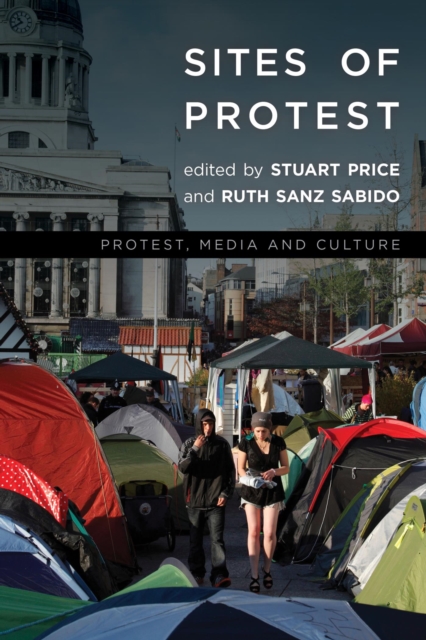
Sites of Protest examines the global resurgence of protest movements and the ways in which they use public and private space - both physical and 'immaterial' - to secure attention for a wide variety of causes, cultural events and moral campaigns.
The cultural and philosophical study of software is crucial, both within and outside of the university, at an international level and across disciplines.
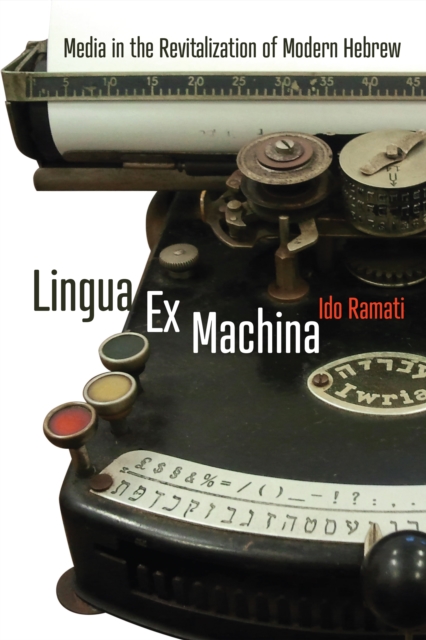
An investigation of the connections between the parallel rise of modern Hebrew and modern mediaAfter lying dormant for two millennia as a mainly written language, Hebrew awoke from its literary slumber to become a living modern vernacular.
Wolfgang Ernst has demonstrated that the knowledge of time-giving ('chrono-poetical') media and their temporal essence enriches the tradition of philosophical inquiry into the nature of 'time'.
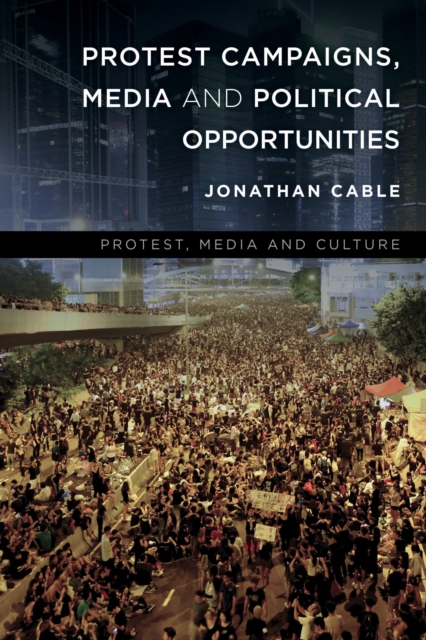
Activists use digital as well as mainstream media tools to attract supporters, advertise their campaigns, and raise awareness of issues in the broader community.
Poor News examines the way discourses of poverty are articulated in the news media by incorporating specific narratives and definers that bring about certain ideological worldviews.
From Tolkien to Star Trek, from Game of Thrones to Battlestar Galactica, and from The Walking Dead to Janelle Monae's Afrofuturist concept albums, transmedia world-building offers us complex and immersive environments beyond capitalism.
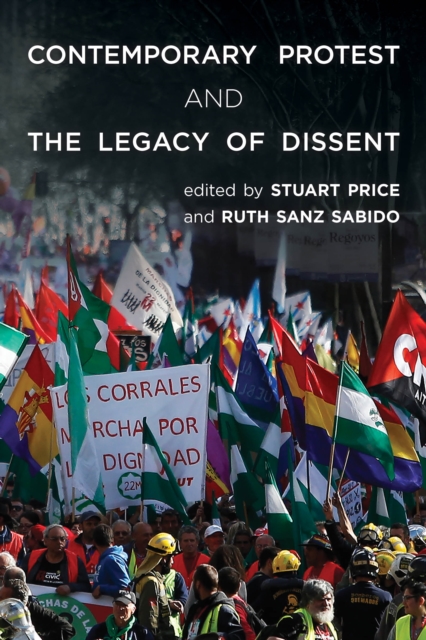
From the Arab uprisings to the indignados movement and the global Occupy sit-ins, recent protests and civil unrest have sparked new debates about political organisation, media representation and the nature of contemporary citizenship.
Contemporary protest, often presented in media forms as a dramatic ritual played out in an iconic public space has provided a potent symbol of the widespread economic and social discontent that is a feature of European life under the rule of "e;austerity.
Austerity as Public Mood explores how politicians and the media mobilise nostalgic and socially conservative ideas of work and community in order to justify cuts to public services and create divisions between the deserving and undeserving.
Is it possible to incite a turn towards Media Philosophy, a field that accounts for the autonomy of media, for machine agency and for the new modalities of thought and subjectivity that these enable, rather than dwelling on representations, audiences and extensions of the self?
Sites of Protest examines the global resurgence of protest movements and the ways in which they use public and private space - both physical and 'immaterial' - to secure attention for a wide variety of causes, cultural events and moral campaigns.
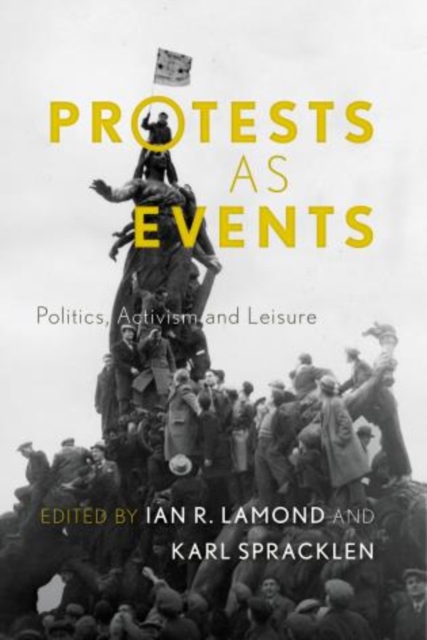
The attention paid to protest groups and social movements has rarely been higher, be it the Occupy movement, austerity protests, or student demonstrations.
The attention economy is a notion that explains the growing value of human attention in societies characterised by post-industrial modes of production.
Contemporary protest, often presented in media forms as a dramatic ritual played out in an iconic public space has provided a potent symbol of the widespread economic and social discontent that is a feature of European life under the rule of "e;austerity.
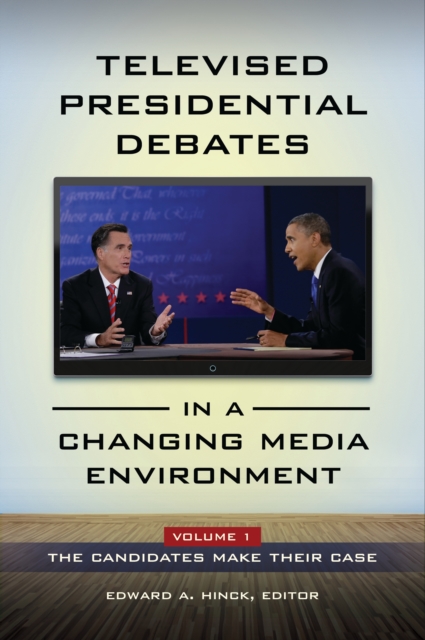
This two-volume set examines recent presidential and vice presidential debates, addresses how citizens make sense of these events in new media, and considers whether the evolution of these forms of consumption is healthy for future presidential campaigns-and for democracy.
This engaging look at presidential candidate images features a wide range of essays that dissect how these images are formed and manipulated during campaigns.
In contemporary media cultures, media are part of the most important sites where collectiverepresentations and narrations of a post-migrant civic culture are (re-)negotiated.
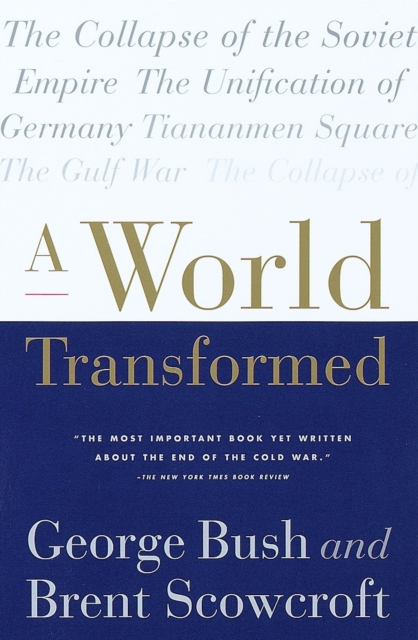
It was one of the pivotal times of the twentieth century--during George Bush''s presidency, an extraordinary series of international events took place that materially changed the face of the world.
Working from multidisciplinary and interdisciplinary perspectives (especially, from the social sciences, media studies discourse analysis, text grammar, folklore, performing arts and linguistics), the authors of the volume investigate and illuminate pertinent issues on democratization, elections and electioneering campaigns and the constitution of order in an African context.
Whether inscribed in physical media, projected on surfaces, or viewed on digital devices, we find ourselves constantly inundated with streams of visual data.
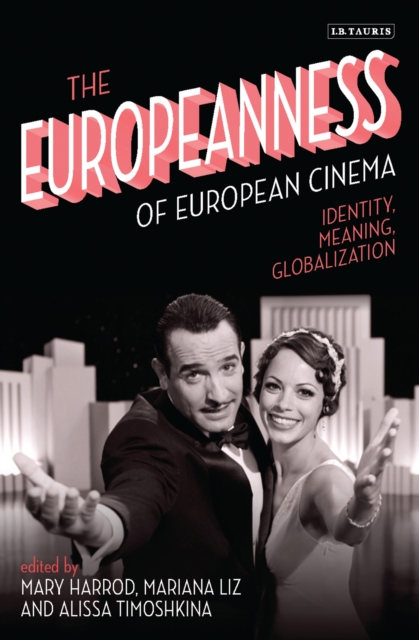
From The Artist to The White Ribbon, from Oscar to Palme d'Or-winning productions, European filmmaking is more prominent, world-wide, than ever before.
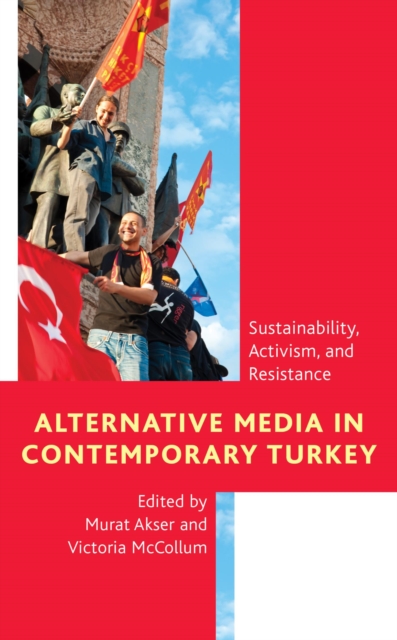
The transformations in alternative media, journalism and social protest in contemporary Turkey have largely occurred due to the upsurge in use of social media.