Gendered Frames, Embodied Cameras: Varda, Akerman, Cabrera, Calle, and Maiwenn is the first book to link these five filmmakers together through an analysis of the relationship between filming one's own body and the creative body.
This shocking, surprisingly entertaining romp into the intellectual nether regions of today''s underthirty set reveals the disturbing and, ultimately, incontrovertible truth: cyberculture is turning us into a society of know-nothings.
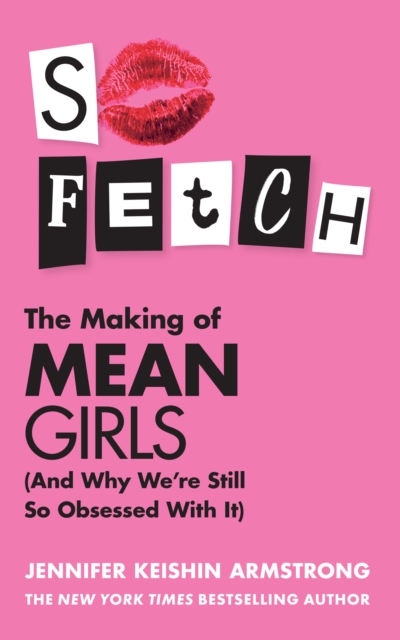
People Best New BookThe inside story of the making of Mean Girls - and our enduring 20-year obsession with itReleased in 2004, iconic teen comedy Mean Girls remains as relevant now as ever.
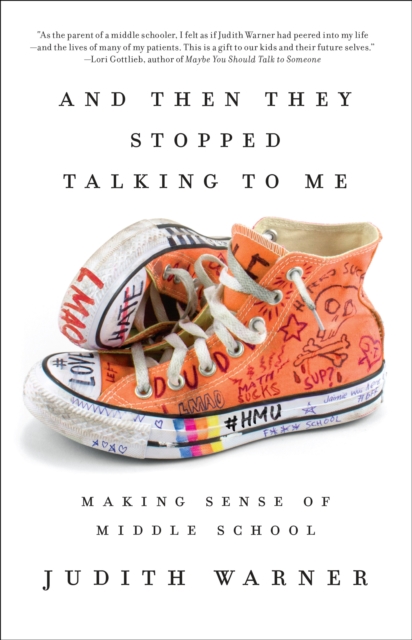
Through the stories of kids and parents in the middle school trenches, a New York Times bestselling author reveals why these years are so painful, how parents unwittingly make them worse, and what we all need to do to grow up.
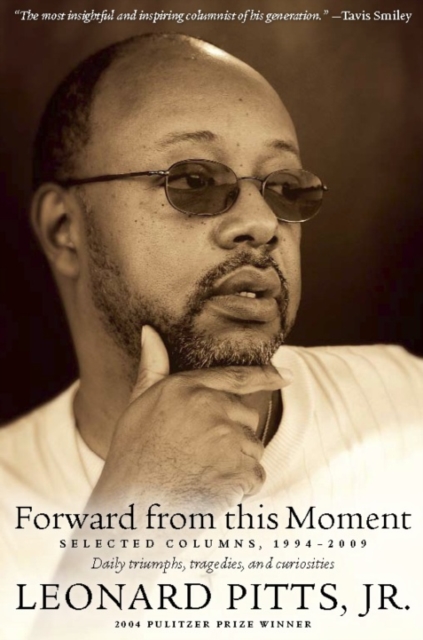
Since 1976, when he was an 18-year-old junior at USC, Leonard Pitts' writing has been winning awards, including the Pulitzer andfive National Headliner Awards.
Deflecting the attention from Hollywood, Stars in World Cinema fills an important gap in the study of film by bringing together Star Studies and World Cinema.
With the ascendancy of neoliberalism in American culture beginning in the 1960s, the political structures governing private lives became more opaque and obscure.
Newspapers, magazines, and other periodicals reached a peak of cultural influence and financial success in Britain in the 1850s and 1860s, out-publishing and out-selling books as much as one hundred to one.
The Personals reveals how classified ads are not just a few commercial lines of text in print or online - they can be a treasure trove of fascinating human stories; stories of love, loss, loneliness, redemption and hope.
Public opinion pools have become staples of contemporary political reporting, and most national news organizations have sophisticated in-house polling operations.
#1 NEW YORK TIMES BESTSELLER & NOW A MAJOR MOTION PICTURE
Shocked by the teenage violence she witnessed during the Rodney King riots in Los Angeles, Erin Gruwell became a teacher at a high school rampant with hostility and racial intolerance.
Clinical Perspectives on Reflective Parenting: Keeping the Child's Mind in Mind describes the Center for Reflective Parenting and techniques developed at the Center for helping parents to be able to understand and reflect on their children's emotional states, as a way of helping them to be more effective parents.
Taming Aggression in Your Child: How to Avoid Raising Bullies, Delinquents, or Trouble-Makers is a guide to preventing children from developing aggressive behaviors from birth through adolescence.
This is the first therapy book that focuses on clinical work with youth who construct queer identities (as differentiated from essentialized gay or lesbian identities).
Digital technologies are proliferating and transforming racism, complicating our understanding, and making contemporary racism increasingly harder to challenge.
The Jive 95: An Oral History of America's Greatest Underground Rock Radio Station, KSAN San Francisco is an oral history of America's first hippie underground FM station which broadcast the countercultural consciousness of the '60s and '70s to a new generation.
*A Radio 4 Book of the Week*'Captivating, mind-boggling and deeply disturbing' - Maureen Freely'Humane, thoughtful and urgent - this book will make you think, make you laugh, make you cry, but also make you burn with rage' - Dr Mary WellesleyA thought-provoking deep dive into the global fertility industry and the commodification of the maternal body__________Should surrogacy be a paid service, an altruistic act - or even legal at all?
Seventy years ago, an Ivy League-educated lawyer, his wife from a prominent Midwestern media family, and their four children moved to a small town in Southwestern Colorado.
This book argues that a tribe of the primitive society is formed because of kinship, while a state of the civilized society is formed because of language.
The Passage from Youth to Adulthood explores a society unanchored from culturally endorsed rites of passage, in which young people and adults appear to build their identities within a culture of dependency.
Crime at El Escorial presents a comparative social and judicial analysis of an 1892 child murder, drawing from newspaper archives among other historical documents.
An engaging introduction to the key terms, concepts, dilemmas and issues that are central to the study and critical understanding of celebrity, exploring the impacts of celebrity culture on the modern media and examining the influence that celebrity has on the way people place themselves in the modern world.
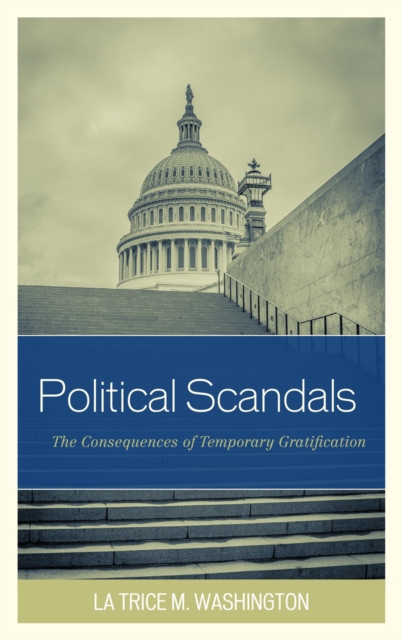
Political Scandals: The Consequences of Temporary Gratification questions whether the consequences associated with non-sex-based scandals carry greater penalties than sex-based political scandals in the twenty-first century.
In this critical interrogation of the meaning of media professionalism and the efficacy of training in the digital age, Niblock presents one of the very first texts to scrutinise professional norms and question the scope of the media's power.