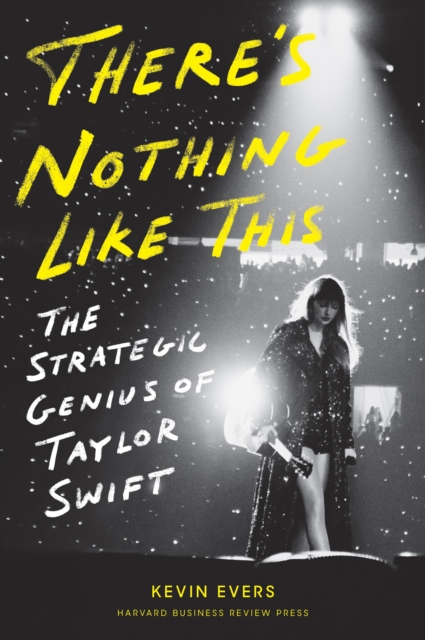
Featured in Rolling Stone, People Magazine, US Weekly, USA Today, The Financial Times, and morePart tell-all book and part how-to guide, The Strategic Genius of Taylor Swift offers music fans and Swifties alike a chance to learn from one of the biggest pop stars of all time.
Featured in Rolling Stone, People Magazine, US Weekly, USA Today, The Financial Times, and morePart tell-all book and part how-to guide, The Strategic Genius of Taylor Swift offers music fans and Swifties alike a chance to learn from one of the biggest pop stars of all time.
Adopting a media-archeological approach, Mujie Li advances a media theory of writing and its literary effects on reading, text, language, and notational materiality under digital conditions.
Artificial intelligence (AI) is rapidly transforming communication and media sectors around the world, but much of the global academic literature on this remains Western-centric.
Zhurnal Gorbi , otlichno zadumannyi, umno, professional'no i krasivo sdelannyi, 20 iyunya 2025 goda vnesen v reestr inostrannykh agentov v RF i vynuzhden byl zakryt'sya.
Boyhood in the Digital Age recognizes that digital spaces serve two roles: they open doors to new ways of learning, connecting with others, and expressing creativity.
Boyhood in the Digital Age recognizes that digital spaces serve two roles: they open doors to new ways of learning, connecting with others, and expressing creativity.
This book contrasts Puerto Rico’s eco-political history with its narrative and symbolic routes of disaster, trauma, and resilience, noting points of convergence and divergence.
This book contrasts Puerto Rico’s eco-political history with its narrative and symbolic routes of disaster, trauma, and resilience, noting points of convergence and divergence.
Thinking Through Memes is an introductory, interdisciplinary project that brings together authors from a wide variety of disciplines to discuss and explore issues surrounding the popular culture phenomenon known as memes.
Thinking Through Memes is an introductory, interdisciplinary project that brings together authors from a wide variety of disciplines to discuss and explore issues surrounding the popular culture phenomenon known as memes.
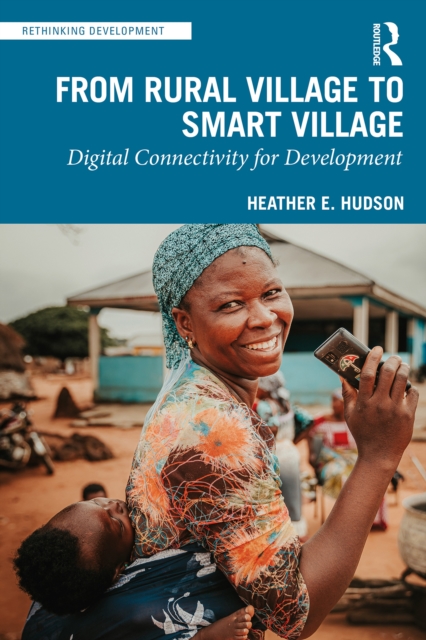
This book investigates how the rise of information and communications technologies is transforming life for Indigenous communities and those living in rural and developing areas.
La publicite pour les boissons alcoolisees est omnipresente dans l'espace public, alors meme que les risques lies a leur consommation sont largement documentes.
This book analyses how anti-state or counterpublics have emerged across mediated and physical spaces to respond to the state-led narrative of Pakistani identity.
This book analyses how anti-state or counterpublics have emerged across mediated and physical spaces to respond to the state-led narrative of Pakistani identity.
Artificial intelligence (AI) is rapidly transforming communication and media sectors around the world, but much of the global academic literature on this remains Western-centric.
This book investigates how the rise of information and communications technologies is transforming life for Indigenous communities and those living in rural and developing areas.
La montee en puissance de la digitalisation de la societe europeenne que chacun peut observer n'est pas une fatalite, ni un effet pervers resultant des entreprises conquerantes du capitalisme numerique.
In this ambitious new work, eco-philosopher and cultural theorist Adrian Ivakhiv presents an incisive new way of thinking about images and imagination.
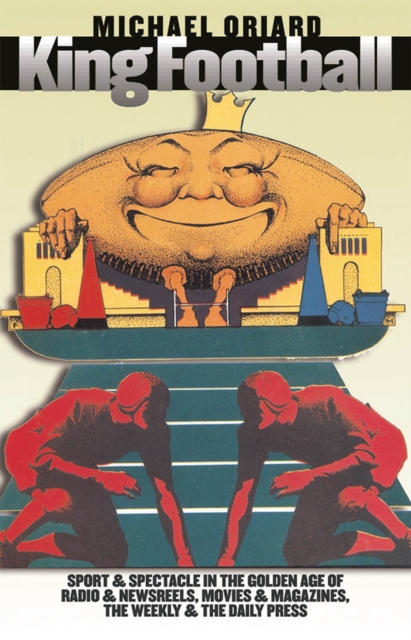
This landmark work explores the vibrant world of football from the 1920s through the 1950s, a period in which the game became deeply embedded in American life.
This landmark work explores the vibrant world of football from the 1920s through the 1950s, a period in which the game became deeply embedded in American life.
Mit einem Fokus auf die Potenziale von Geschichten und aufgrund einer fehlenden dramaturgischen Vielfalt wurde dieses Praxishandbuch für alle entwickelt, die sich mit Storytelling beschäftigen.
** THE INSTANT SUNDAY TIMES BESTSELLER **'Without question the most important book of the year' MARINA HYDE'Superb' TOM HOLLANDReading built the modern world.