This original book enters the undeveloped territory of feminist metaphysics and offers a bold and unusual contribution to debates about identity, essence and self.
At a time when so many cracks have emerged within the imagined community of the West', this important new book, by one of the leading social scientists in Europe, examines the intellectual history of comparing Europe and the United States.
"e;Helga Nowotny's exploration of the forms and meaning of time in contemporary life is panoramic without in any way partaking of the blandness of a survey.
Multiculturalism is controversial in the liberal state and has frequently been declared dead, even in countries that have never had a policy under that name.
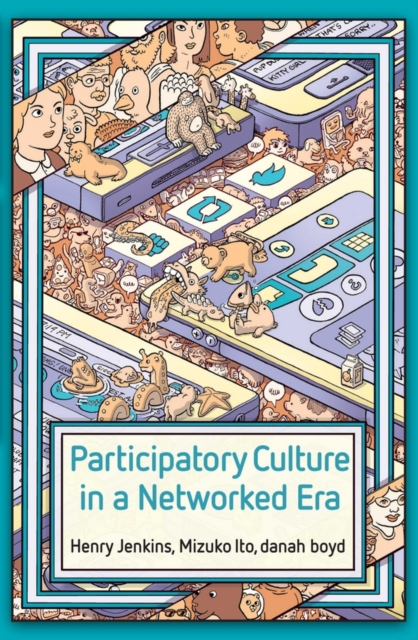
From selfies and memes to hashtags and parodies, social media are used for mundane and personal expressions of political commentary, engagement, and participation.
In the last two decades, both the conception and the practice of participatory culture have been transformed by the new affordances enabled by digital, networked, and mobile technologies.
Every arena of science has its own flash-point issues chemistry and poison gas, physics and the atom bomb and genetics has had a troubled history with race.
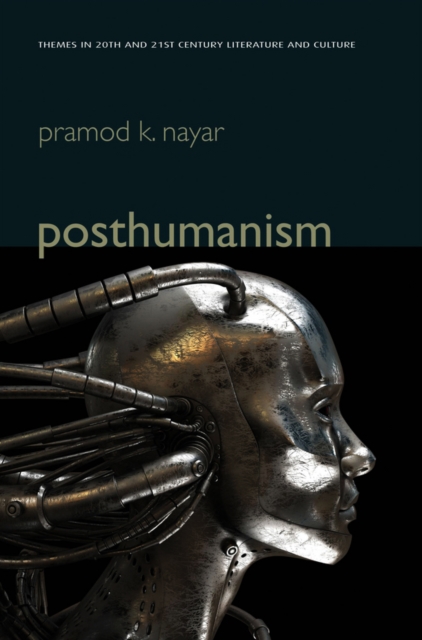
This timely book examines the rise of posthumanism as both a material condition and a developing philosophical-ethical project in the age of cloning, gene engineering, organ transplants and implants.
In this exciting new book Angela McRobbie charts the euphoric moment of the new creative economy, as it rose to prominence in the UK during the Blair years, and considers it from the perspective of contemporary experience of economic austerity and uncertainty about work and employment.
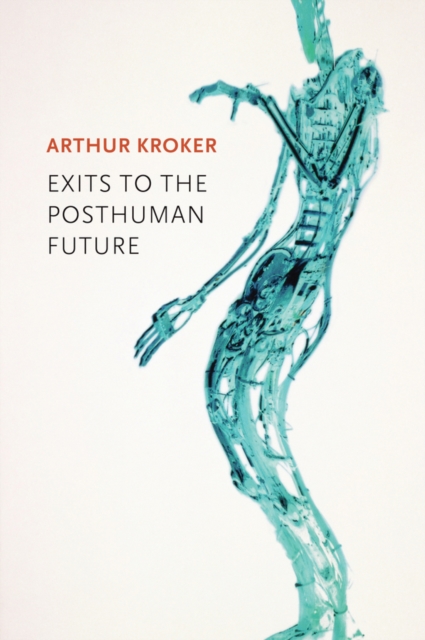
Exits to the Posthuman Future is media theory for a global digital society which thrives, and sometimes perishes, at the intersection of technologies of speed, distant ethics and a pervasive cultural anxiety.
In the aftermath of the First World War, the poet Paul Val ry wrote of a crisis of spirit , brought about by the instrumentalization of knowledge and the destructive subordination of culture to profit.
Research consistently shows how through the years more of our time gets spent using media, how multitasking our media has become a regular feature of everyday life, and that consuming media for most people increasingly takes place alongside producing media.
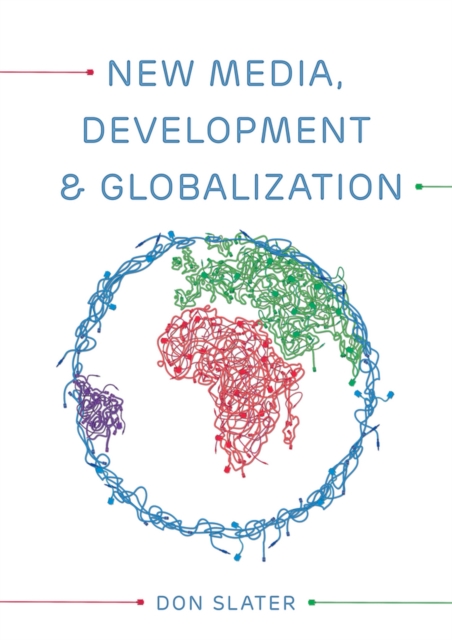
New media, development and globalization are the key terms through which the future is being imagined and performed in governance, development initiatives and public and political discourse.
We live in a world where a tweet can be instantly retweeted and read by millions around the world in minutes, where a video forwarded to friends can destroy a political career in hours, and where an unknown man or woman can become an international celebrity overnight.