In the twenty-first century, promotion is everywhere and everything has become promotable: everyday goods and organizations, people and ideas, cultures and futures.
Thoroughly revised and updated, this new edition of Blogging provides an accessible study of a now everyday phenomenon and places it in a historical, theoretical and contemporary context.
Walter Benjamin (1892-1940), one of the most original and perceptive thinkers of the twentieth century, offered a unique insight into the profound impact of the media on modern society.
At a time when many public commentators are turning against multiculturalism in response to fears about militant Islam, immigration or social cohesion, Tariq Modood, one of the world's leading authorities on multiculturalism, provides a distinctive contribution to these debates.
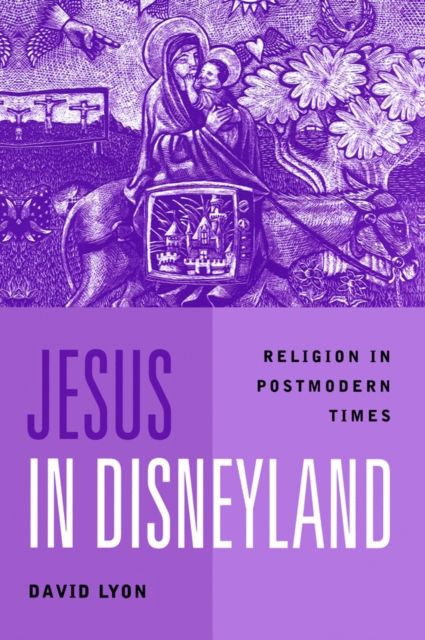
In this lively and accessible study, David Lyon explores the relationship between religion and postmodernity, through the central metaphor of 'Jesus in Disneyland.
This is a major new assessment of the American movie industry in the 1990's, focusing on the development of new communication technologies such as cable and home video and examining their impact on the production and distribution of motion pictures.
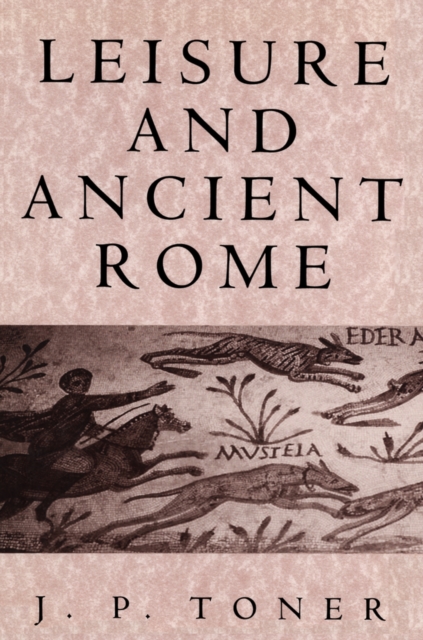
In this book Toner offers a new way of looking at Roman society at all levels, not just among the elite, by examining the imperial games and the baths as well as gambling, the taverns, theatre and carnivals.
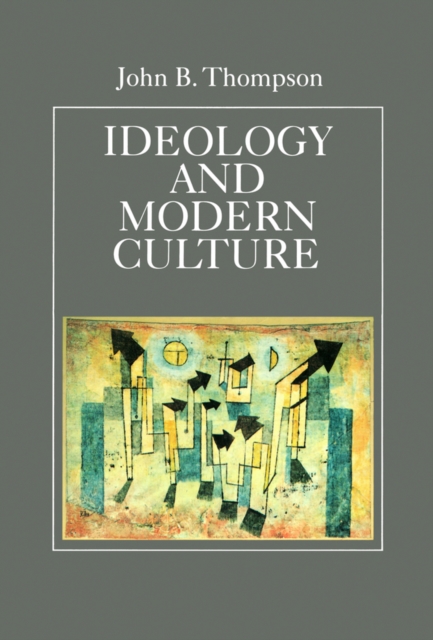
In this major new work, Thompson develops an original account of ideology and relates it to the analysis of culture and mass communication in modern Societies.
This book examines the implications of new communication technologies in the light of the most recent work in social and cultural theory and argues that new developments in electronic media, such as the Internet and Virtual Reality, justify the designation of a "e;second media age"e;.
Written in a readable, accessible style, with plenty of up-to-date examples Psychoanalysis and Culture provides a brilliant introduction to key issues in the area of application of psychoanalytic theories to culture.
This book traces the emergence of the concept of self-identity in modern Western culture, as it was both reflected in and advanced by the development of autobiographical practice in early modern England.
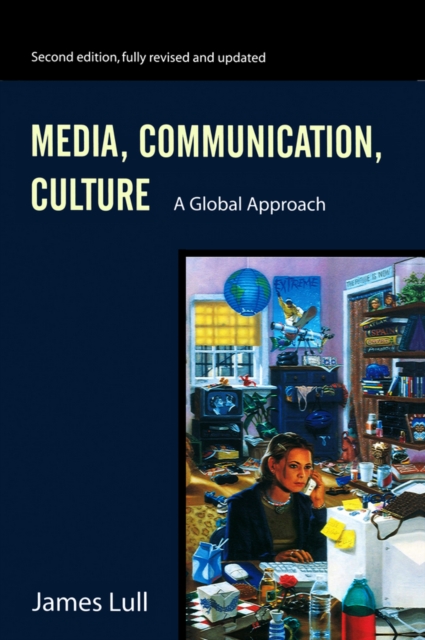
Media, Communication, Culture offers a bold and comprehensive analysis of developments in the field amidst the effects of postmodernism and globalization.
Sovereign nation states, which were formed in the context of major war, have been deeply exclusionary in their dealings with minority cultures and alien outsiders.
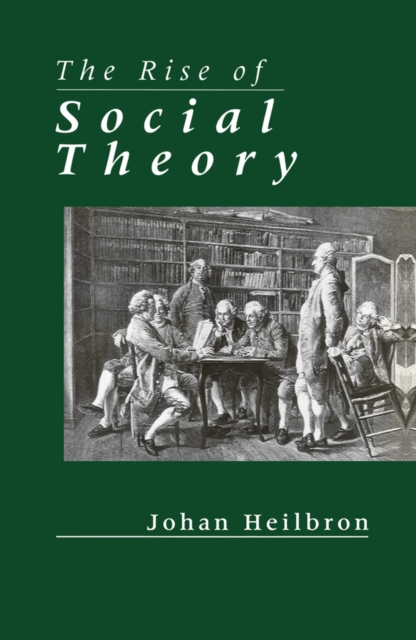
This book is a detailed and wide-ranging account of the birth of social theory as a distinctive and modern intellectual genre, providing a brilliant account of the "e;pre-history"e; of sociology and a vivid portrayal of intellectual culture between the Enlightenment and the age of Romanticism.
In this major theoretical statement, the author offers a new and provocative interpretation of the institutional transformations associated with modernity.
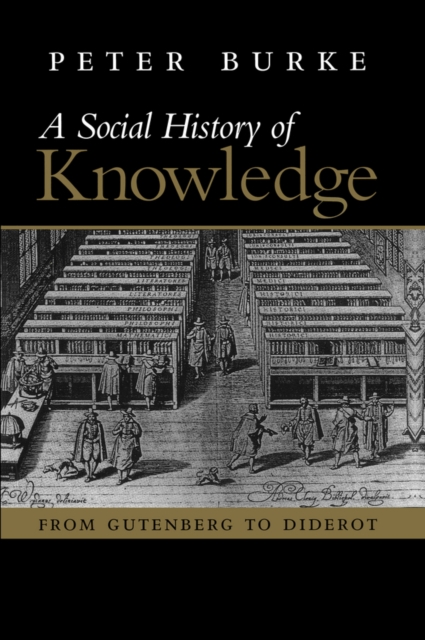
In this book Peter Burke adopts a socio-cultural approach to examine the changes in the organization of knowledge in Europe from the invention of printing to the publication of the French Encyclop die.
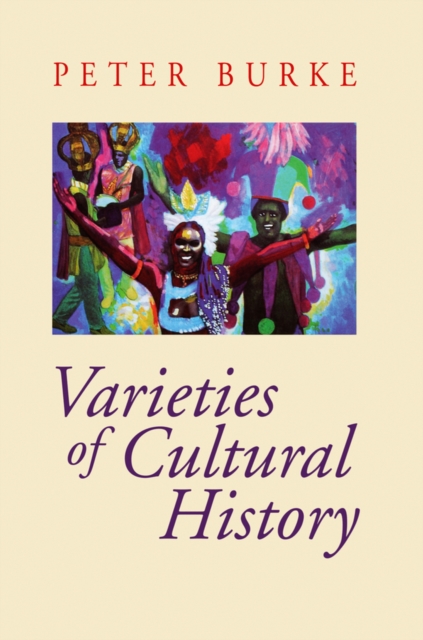
The aim of this book is both to illustrate and to discuss some of the main varieties of cultural history which have emerged since the questioning of what might be called its "e;classic"e; form, exemplified in the work of Jacob Burckhardt and Johan Huizinga.
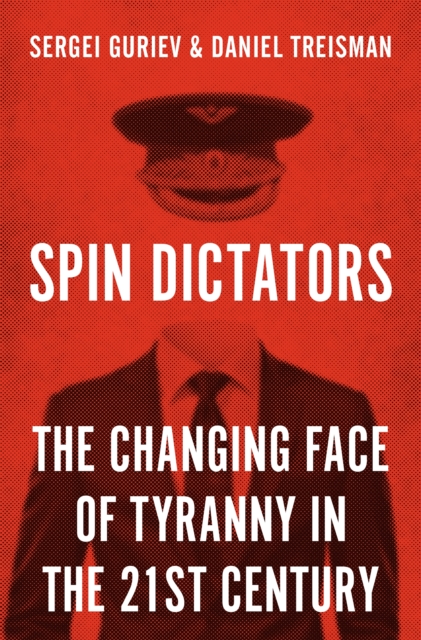
A New Yorker Best Book of the YearA Foreign Affairs Best Book of the YearAn Atlantic Best Book of the YearA Financial Times Best Politics Book of the YearHow a new breed of dictators holds power by manipulating information and faking democracyHitler, Stalin, and Mao ruled through violence, fear, and ideology.
All major western countries today contain groups that differ in their religious beliefs, customary practices or ideas about the right way in which to live.
In this book the author moves beyond the time of clocks and calendars in order to study time as embedded in social interactions, structures, practices and knowledge, in artefacts, in the body, and in the environment.
With a sharp eye for social detail and the pressures of class inequality, Alfred Hitchcock brought to the American scene a perspicacity and analytical shrewdness unparalleled in American cinema.
Twitter has become a household name, discussed both for its role in prominent national elections, natural disasters, and political movements, as well as for what some malign as narcissistic chatter.